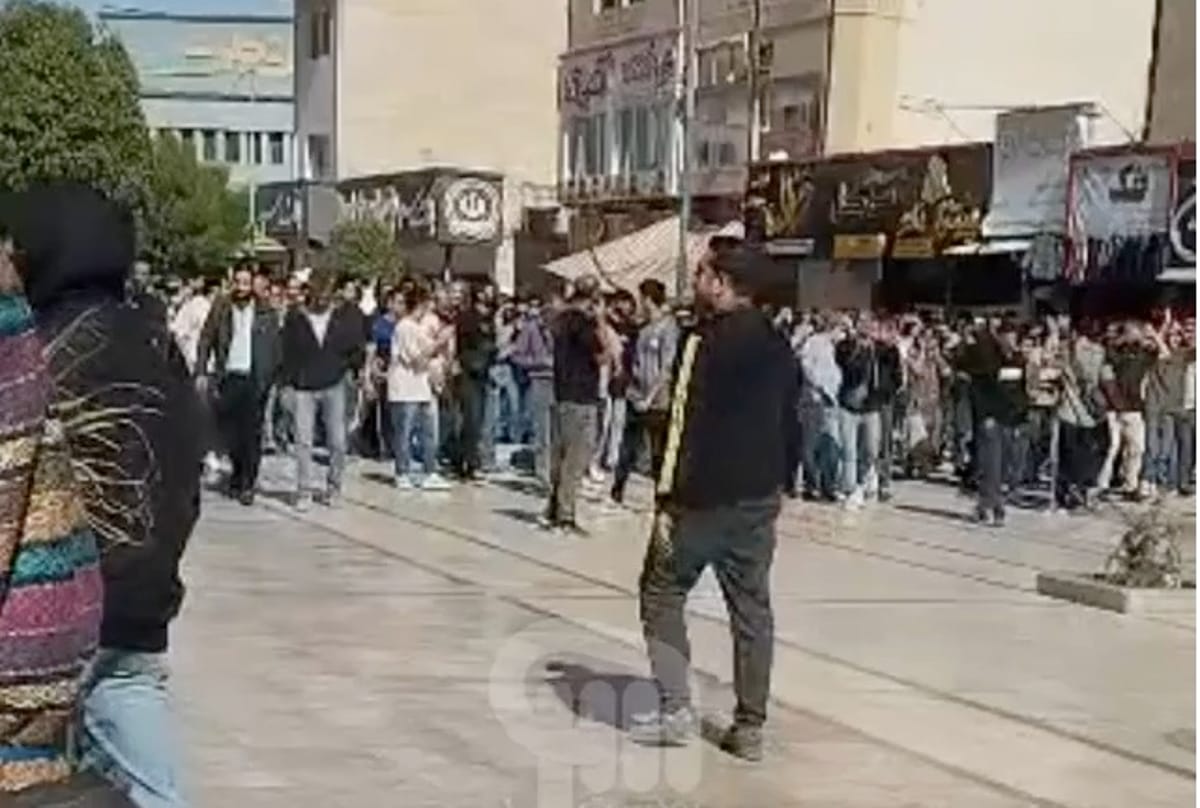
Amid surging nationwide protests over economic hardships and governance, the Iranian regime has reportedly enlisted around 800 fighters from Iraqi Shiite militias, primarily the Hezbollah Brigades (Kataib Hezbollah), to bolster security forces in suppressing demonstrators.
According to sources cited by Iran International, these recruits, drawn from groups like Harakat al-Nujaba, Sayyid al-Shuhada Brigades, and the Badr Organization, were mobilized in recent days and funneled into Iran under the cover of "pilgrimage trips" to the Imam Reza shrine in Mashhad. In reality, they assemble at a base in Ahvaz linked to Supreme Leader Ali Khamenei's office before deployment across regions to aid in what has been described as violent confrontations. indiatoday.in Iraqi officials are allegedly aware of the operation, which echoes past uses of foreign proxies during unrest, such as in 2009 and 2019.
The protests, now in their second week, have spread to over 280 locations in 27 of Iran's 31 provinces, with at least 36 deaths reported, including protesters, children, and security personnel. Triggered by inflation, currency collapse, and broader dissatisfaction, demonstrations have turned violent in rural areas, with security forces using live ammunition in places like Lorestan and Fars provinces.
Supreme Leader Khamenei has labeled participants "rioters" and called for their suppression, while the rate of protests has slightly declined in recent days but intensified in Tehran.
In a defiant interview with Fox News, exiled Crown Prince Reza Pahlavi positioned himself as a leader for change, stating he is responding to calls from Iranians to "lead the transition from tyranny to a democratic future." "I've prepared my entire life to serve my nation; I'm more ready than ever to step forward at the right moment," Pahlavi said, emphasizing the unprecedented commitment among Iranians to end the regime. He advocated for a peaceful process via national referendum and constitutional assembly, remaining impartial on the outcome as long as it yields a secular democracy.
Contrasting this, Iran's Army Commander General Amir Hatami issued a stern warning, viewing escalating rhetoric from "enemies" as a direct threat that Iran will not ignore.
In a statement to Mehr News Agency, Hatami downplayed the protests as natural but criticized their rapid shift to "riots and disturbances," insisting labor union actions have no ties to U.S. President Donald Trump or Israeli Prime Minister Benjamin Netanyahu. He asserted Iran's armed forces are "far more prepared today than before the war," vowing a "decisive response" to any aggression: "We will cut off the hand of any aggressor."
The United States has sharply condemned recent attacks by Iranian security forces on hospitals, labeling them "barbaric" and a violation of international law. A post on the U.S. State Department's Persian-language X account highlighted assaults on facilities like Sina Hospital in Tehran and Imam Khomeini Hospital in Ilam province, where forces raided to arrest injured protesters, firing tear gas and creating fear among patients. "This pattern of attacking hospitals... reflects the Islamic Republic's regime's cruelty and disregard for basic principles of human dignity," the statement read, urging Tehran to end the repression. Amnesty International echoed this, calling the Ilam raid a "clear violation of international law."
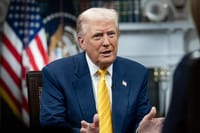
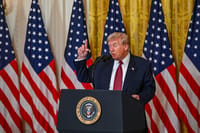
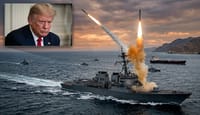
President Trump has twice signaled potential U.S. intervention, first posting on Truth Social: "If Iran kills protesters, the U.S. will come to their aid. We're ready for it." He reiterated to reporters: "If they start killing people like they did in the past, I think they'll be hit very hard by the United States."
Iranian officials, including Parliament Speaker Mohammad Bagher Ghalibaf and Supreme National Security Council Secretary Ali Larijani, responded by warning that U.S. "adventurism" could make American bases "legitimate targets" and destabilize the region.