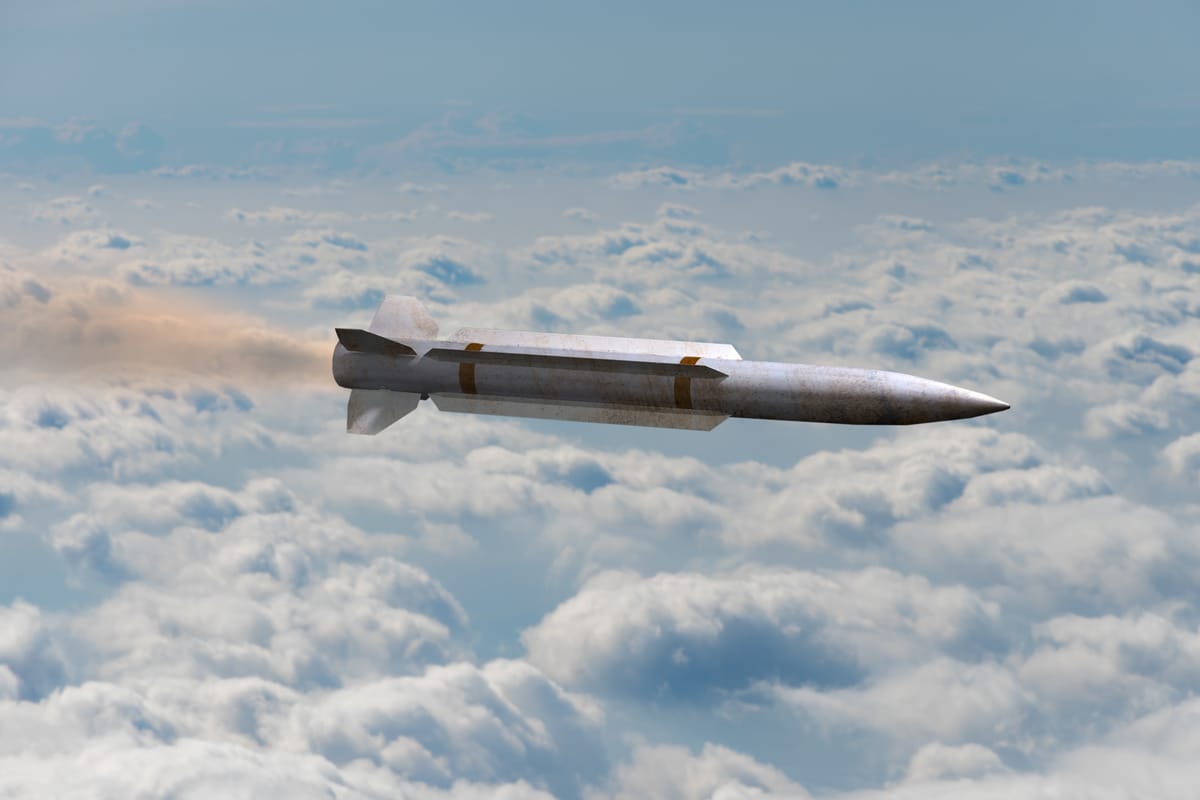
A growing divide is emerging between the White House and the American intelligence community regarding the true extent of the Iranian threat. During his recent State of the Union address, President Trump began laying the public groundwork for a potential war by claiming that Tehran is "working on developing missiles that will soon reach" the United States. However, a series of reports from Reuters and other sources, citing three high-level intelligence insiders, suggest that this claim is "exaggerated" and not backed by the current classified data. As the administration prepares for a potential strike, this rift over the "immediacy" of the threat is creating a storm of controversy within the halls of Congress and the Pentagon.
The 2035 Timeline
Contrary to the President's warnings of an "imminent" threat, the Defense Intelligence Agency (DIA) reportedly stands by its unclassified 2025 assessment. That report suggests that Iran is still at least a decade away from a viable intercontinental ballistic missile (ICBM). According to the sources, Tehran would likely need until the year 2035 to develop a "military operational intercontinental ballistic missile" based on their current satellite launch technology. This massive ten-year discrepancy between the President's rhetoric and the intelligence reports is being used by critics to question the urgency of a military strike.
Political Targets and Rhetoric
The narrative of an Iranian strike on the U.S. mainland has been echoed by several high-ranking figures. Prime Minister Benjamin Netanyahu reportedly told podcaster Ben Shapiro that Iran is developing missiles capable of hitting the President's Mar-a-Lago estate in Florida. Secretary of State Marco Rubio has also repeated these concerns in briefings with reporters. While the White House has refused to comment on the specific intelligence rift, supporters of the administration argue that Iran’s space program is merely a cover for ICBM development and that waiting until 2035 is a risk the U.S. cannot afford to take. As the debate rages, the question remains whether the President is seeing "red-line" intelligence that has not yet been declassified, or if the threat is being amplified to secure public support for a looming war.