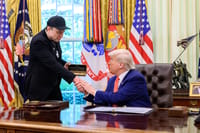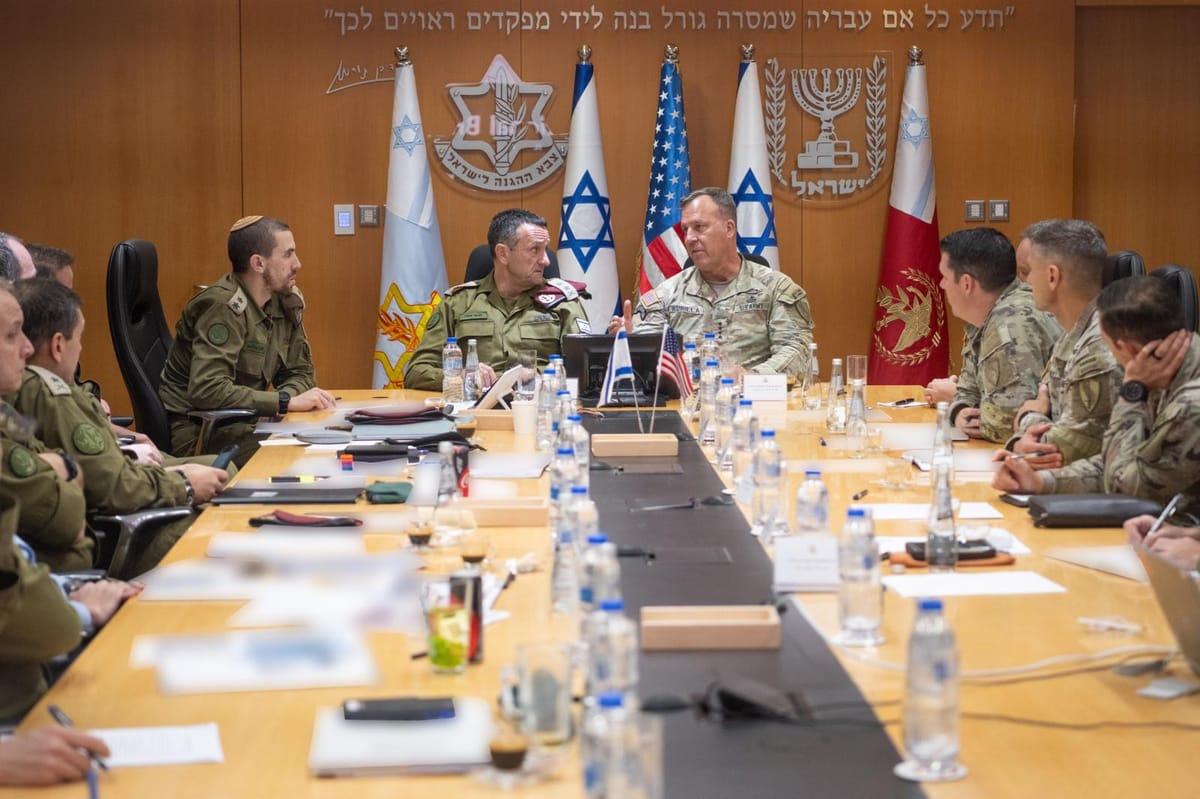
The duality of American power was on full display this Thursday as the Trump administration pursued two diametrically opposed paths at the exact same time. In Geneva, diplomatic messengers Jared Kushner and Steve Witkoff were engaged in the third round of high-stakes nuclear negotiations. Simultaneously, inside the Oval Office, President Trump was receiving his first comprehensive military briefing from the highest-ranking commander in the Middle East since the crisis began in December. Admiral Brad Cooper, the head of U.S. Central Command (CENTCOM), alongside Joint Chiefs Chairman General Dan Cain, presented the President with a range of lethal alternatives. This briefing, which included a specific "target list" of Iranian military and nuclear assets, suggests that the White House is preparing for the immediate collapse of diplomacy.
The Commander’s Briefing
This meeting marked a critical turning point in the administration's readiness. For the first time in months, the man responsible for executing a potential war against Tehran was in the room with the President to finalize the operational details. Admiral Cooper and General Cain walked Trump through the "Scorpion Strike" drone options, missile flight paths, and the naval positioning of the carrier groups. The presence of the actual combat commanders in the White House while talks were ongoing in Switzerland serves as a stark reminder that the administration views a credible military threat as an essential part of its pressure mechanism.
The Last Chance for Peace
Many within the Trump administration view the Geneva round as the "last chance" for a diplomatic breakthrough. The timing of the military briefing was no coincidence; it was designed to show that if the "positive" signals reported from Switzerland do not translate into a signed agreement, the transition to kinetic action will be instantaneous. The military planners have already accounted for the recent surge in American forces across the region, ensuring that if the President gives the order, the strike will not be a "symbolic" gesture but a comprehensive campaign to dismantle the regime's capabilities.