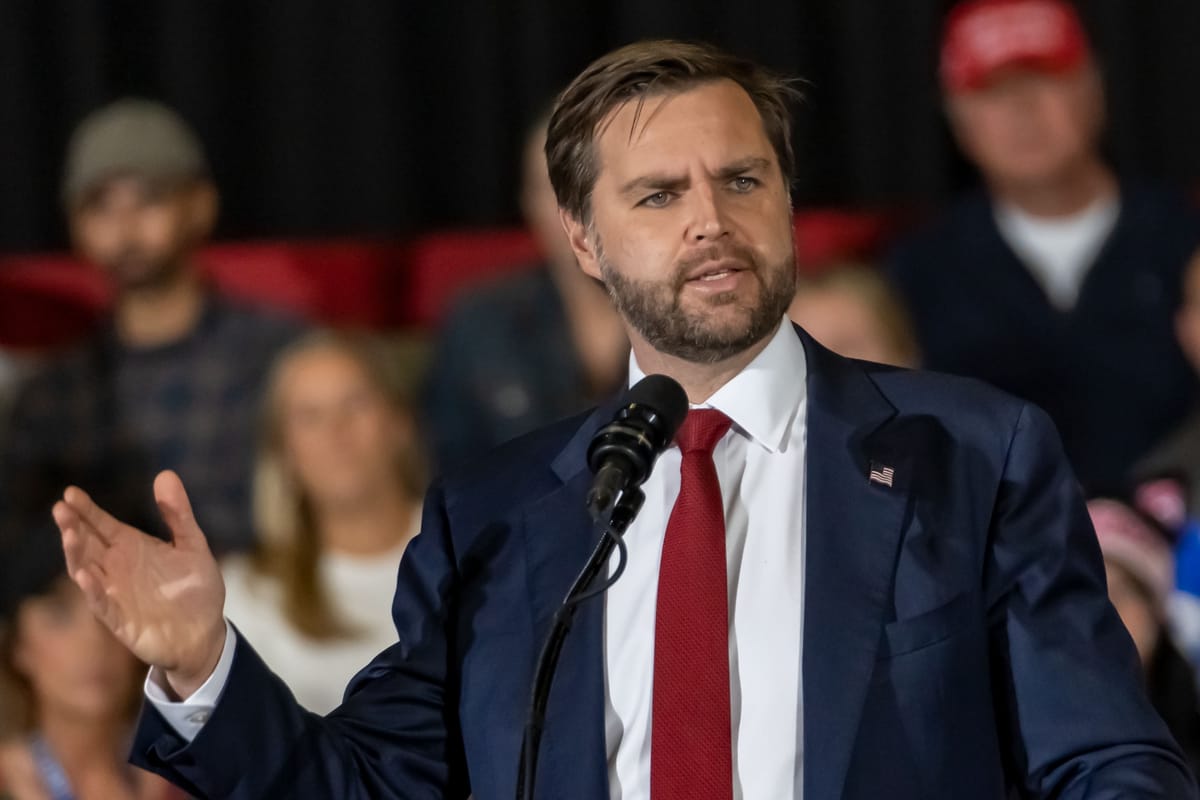
As the drums of war beat louder in Washington, Vice President JD Vance has stepped forward to define the boundaries of potential American intervention. In an exclusive interview with the Washington Post, Vance, a veteran who served in Iraq, provided a sobering look at the administration's strategic philosophy. While the President reviews target lists and expands the military footprint in the Persian Gulf, Vance is signaling to both the American public and the Iranian regime that any military action will be decisive, targeted, and limited in duration. His comments aim to reassure a war-weary electorate that the Trump administration has no intention of being dragged into a "forever war" like those that defined the early 2000s.
Skepticism and Strength
Vance did not shy away from his reputation as a "military intervention skeptic," even as the administration prepares for a possible strike. "I think we all prefer the diplomatic option," the Vice President stated, though he quickly added that the final outcome "really depends on what the Iranians do and what they say." This balanced approach highlights the administration's strategy of using the threat of war to force a diplomatic surrender. However, Vance was most emphatic when discussing the duration of a potential war. "The idea that we will be at war in the Middle East for years, with no end in sight, there is no chance that will happen," he vowed.
The Oman Intervention
In a desperate bid to prevent the very escalation Vance is preparing for, Omani Foreign Minister Badr Al-Busaidi is currently rushing to Washington. Reports from the Ms Now network indicate that Al-Busaidi is scheduled to meet directly with Vance and other top officials to present a final diplomatic off-ramp. Oman, which has served as the primary bridge between the two nations, is attempting to convince the Vice President that the "progress" in Geneva is real enough to justify delaying any military orders. Whether Vance’s skepticism of war or his demand for Iranian accountability wins out will likely be determined in these high-pressure meetings at the White House.