End of the Ayatollah

More Protestors Killed in Iran as Government Scrambles to Avoid Revolution, US Strikes

The death toll from Iran’s expanding protest movement has climbed to at least 35 people, according to human rights activists, as demonstrations continue to spread across the country with no sign of slowing. Government responses aim to quell the anger before a threatened American intervention.

Protests in Iran
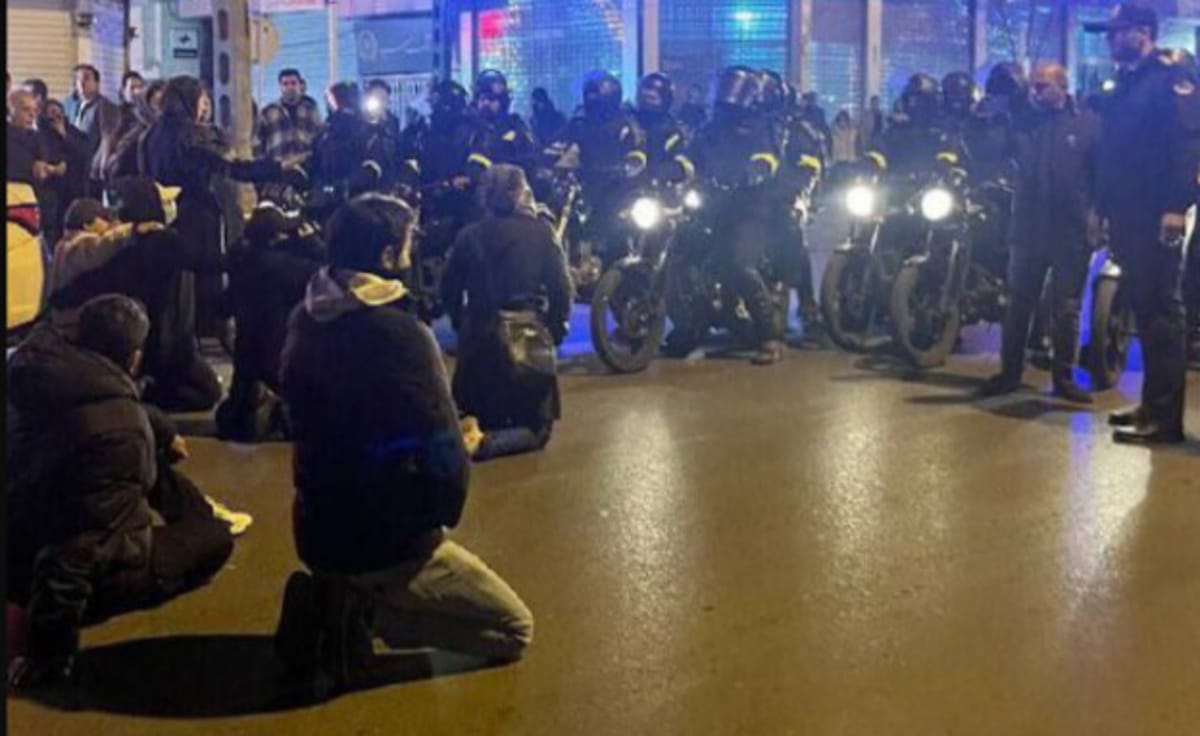
Protests in Iran (Photo: Social media, In accordance with copyright law 27a)

The death toll from Iran’s expanding protest movement has climbed to at least 35 people, according to human rights activists, as demonstrations continue to spread across the country with no sign of slowing.

The US-based Human Rights Activists News Agency reported Tuesday that at least 29 protesters, four children, and two members of Iran’s security forces have been killed since unrest began more than a week ago. The group also said more than 1,200 people have been detained. Protests have now reached over 250 locations in 27 of Iran’s 31 provinces, making this the most widespread wave of unrest since 2022.

While Iranian state media has sought to downplay the scale of the demonstrations, the semiofficial Fars news agency acknowledged late Monday that hundreds of security personnel have been injured, reporting that roughly 250 police officers and 45 members of the Basij militia were hurt in clashes. Fars also claimed the protests were losing momentum, a narrative contradicted by activist reporting and ongoing arrests.

On the ground, the picture remains mixed. In Tehran, many shops reopened after the weekend and daily life appeared outwardly normal, but riot police were deployed at major intersections, universities shifted to online classes, and security forces were visibly present around schools and public institutions.

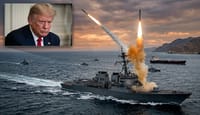
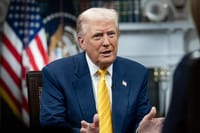
The rising death toll has sharpened fears of international intervention. US President Donald Trump warned last week that if Iran “violently kills peaceful protesters,” the United States would “come to their rescue.” Those remarks took on added weight after the US military’s recent operation in Venezuela, which resulted in the capture of longtime Iranian ally Nicolás Maduro.
Israeli leaders have also publicly aligned themselves with the protesters. Prime Minister Benjamin Netanyahu said the Iranian people may be reaching a “decisive moment” in which they take control of their future, comments Tehran quickly condemned as foreign incitement. Iranian officials have accused Israel and the United States of exploiting economic grievances to undermine national unity.

Iran’s leadership has attempted a two-track response: limited economic concessions paired with an explicit threat of repression. Authorities announced new monthly stipends and electronic food credits to ease pressure on low-income households, after inflation surged past 50 percent and the rial lost roughly half its value over the past year. At the same time, Iran’s judiciary warned there would be “no leniency” for what it calls rioters, even as it claimed to distinguish them from legitimate protesters.

The unrest was initially triggered by economic collapse, currency devaluation, and rising food prices, but it has increasingly taken on political dimensions, with demonstrators calling for accountability, an end to corruption, and structural change. Despite promises of reform, protests have continued to spread, including among the Iranian diaspora in Europe.

Whether the current movement can translate sustained street pressure into political change remains uncertain. Iran’s ruling system has survived similar crises before. But the combination of economic freefall, nationwide unrest, and explicit foreign warnings suggests the country is entering one of its most volatile periods in years.

Ready for more?

Join our newsletter to receive updates on new articles and exclusive content.

We respect your privacy and will never share your information.

Enjoyed this article?

Yes (209)
No (8)
Follow Us:

Loading comments...