Iran’s government said Tuesday it would open talks with protest leaders after days of demonstrations in Tehran and other cities sparked by the sharp collapse of the national currency, a rare acknowledgment of public anger amid mounting economic pressure.
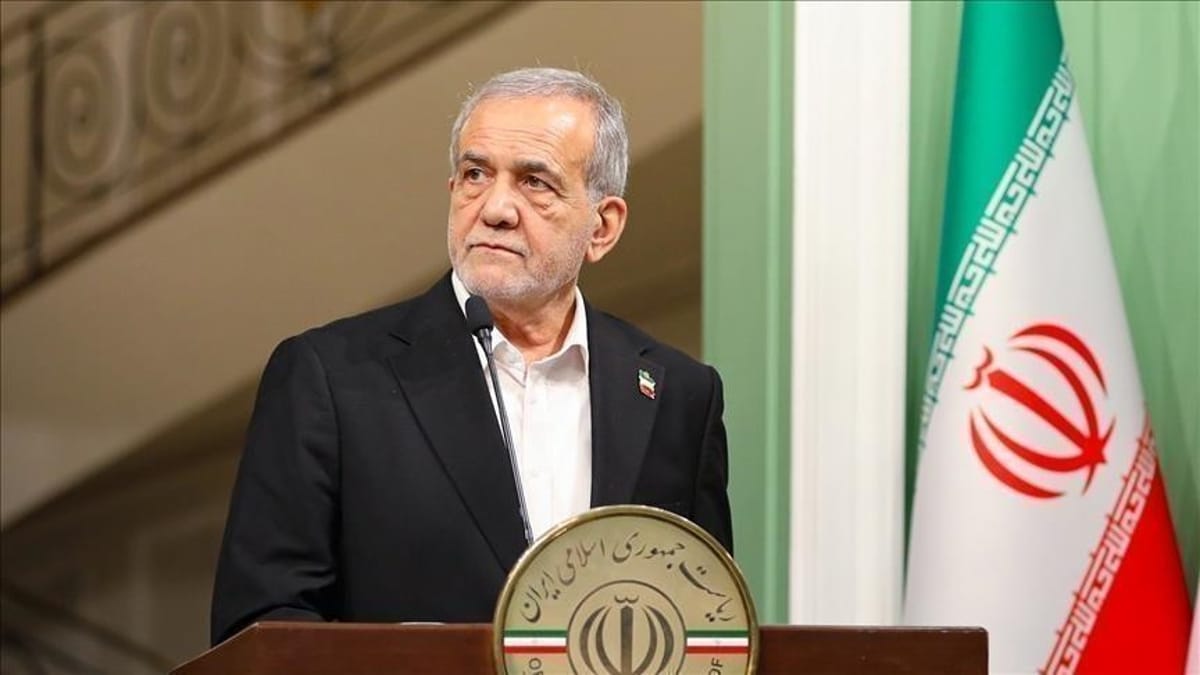
President Masoud Pezeshkian said he instructed the interior minister to engage directly with protesters and hear what he described as their “legitimate demands,” signaling a shift in tone after unrest that included strikes by shopkeepers in Tehran’s Grand Bazaar and street protests in several major cities.
Government spokeswoman Fatemeh Mohajerani confirmed that a formal dialogue mechanism would be established, including meetings with protest representatives. She said authorities “officially recognize the protests” and understand that they stem from pressure on people’s livelihoods.
The demonstrations erupted after the Iranian rial plunged to a new record low, trading at roughly 1.39 million rials to the US dollar on the open market. The collapse has fueled already high inflation and intensified public frustration over the cost of basic goods. The crisis was compounded by the resignation of the central bank governor earlier this week.
While the government emphasized dialogue, security officials struck a different tone. Senior figures in the Revolutionary Guards and the interior ministry blamed the unrest on “psychological warfare” and “enemy inducement,” warning citizens not to allow economic grievances to turn into broader instability. State-linked media outlets echoed those claims, accusing foreign actors of fueling dissent.
At the same time, opposition figures outside Iran sought to capitalize on the unrest. Reza Pahlavi, the son of Iran’s last shah and a prominent opposition voice abroad, publicly backed the protests and urged Iranians across society to join demonstrations calling for the downfall of the Islamic Republic. Videos circulating online showed crowds chanting slogans in his support, alongside calls against Supreme Leader Ayatollah Ali Khamenei.
Protests were reported not only in Tehran but also in cities including Isfahan, Shiraz, Ahvaz, Hamadan, Qeshm, and Mashhad. Security forces were deployed to key locations, and there were reports of tear gas being used to disperse crowds.
Iran has faced repeated waves of unrest in recent years, often triggered by economic shocks or social grievances. Past protests were met with harsh crackdowns rather than engagement, making the government’s promise of dialogue notable, though it remains unclear whether talks will lead to concrete economic relief or lasting political change.