Khamenei Calls Iranians "The Enemy" as Protests Spread | WATCH
What began with merchants shutting their shops in protest over the free fall of Iran’s currency has spread to dozens of cities, including Tehran, drawing students, workers, and activists into the streets. Chants that initially focused on prices and livelihoods have shifted toward openly political slogans, including calls of “death to the dictator” and “woman, life, freedom.”
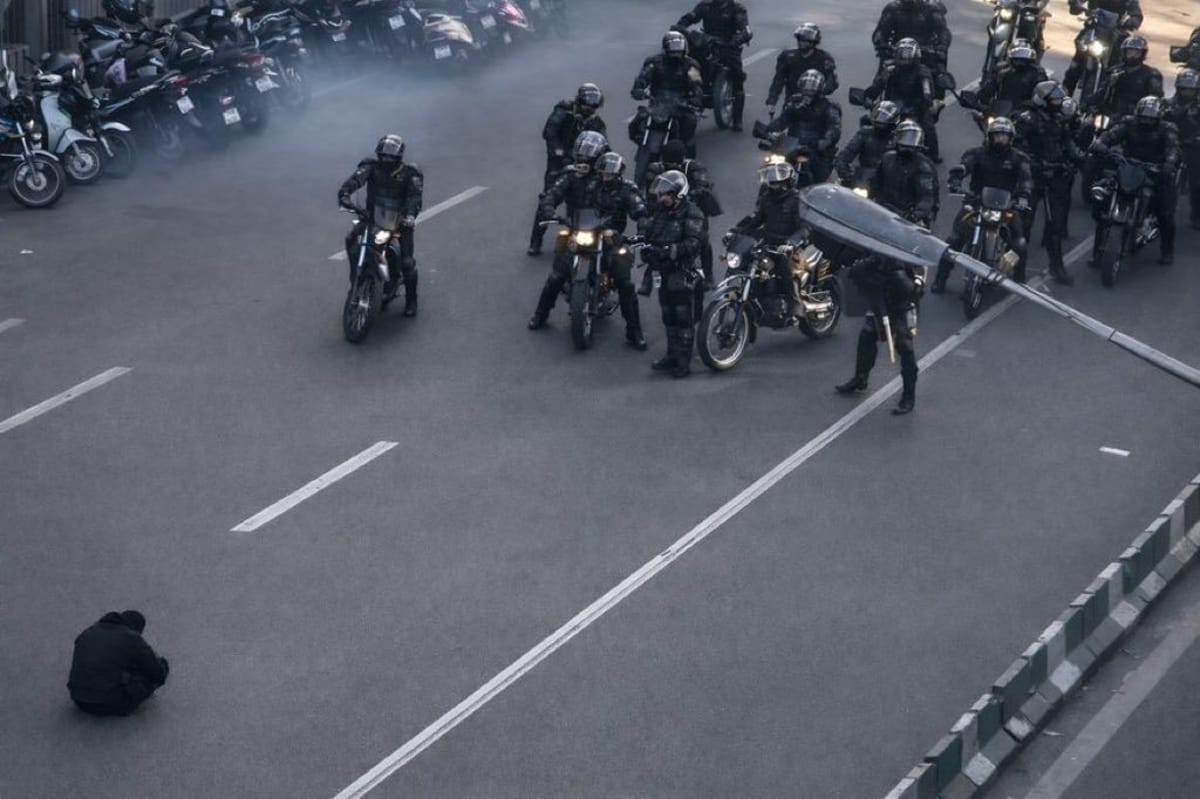
What began with merchants shutting their shops in protest over the free fall of Iran’s currency has spread to dozens of cities, including Tehran, drawing students, workers, and activists into the streets. Chants that initially focused on prices and livelihoods have shifted toward openly political slogans, including calls of “death to the dictator” and “woman, life, freedom.”
Protesters cite the collapse of the rial, soaring food prices, and a cost-of-living crisis that has made daily survival increasingly difficult. Inflation remains near 40 percent, while the currency has hit record lows, wiping out savings and wages alike. Many demonstrators say the economic crisis has stripped away any remaining fear of repression.
Iranian human rights groups report that at least 10 people have been killed since the protests began, with dozens injured and more than 100 arrested. Security forces, including plainclothes officers and the Basij paramilitary, have reportedly carried out raids on university dormitories and used force to disperse crowds. Some universities have shifted classes online in an apparent effort to prevent student gatherings.
President Masoud Pezeshkian initially signaled openness to dialogue, calling for authorities to listen to protesters’ “legitimate demands.” At the same time, state officials have warned against unrest, with Supreme Leader Ali Khamenei previously declaring that “rioters must be put in their place.”
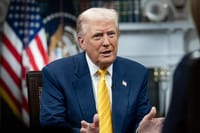
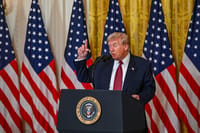
The unrest comes as Iran is still reeling from a June conflict with Israel that damaged the regime’s image of strength, and as international pressure mounts. U.S. President Donald Trump has warned Iran against using lethal force on protesters, prompting officials in Tehran to accuse foreign powers of stirring unrest.
Despite the risks, protesters say the moment feels different. Many argue that economic desperation, regional setbacks, and internal discontent have left the government more vulnerable than in past uprisings. Whether the protests can survive a sustained crackdown remains unclear, but for now, they show no sign of fading.