Against the Ayatollah

Protests Rock Iran as Economy Plummets | WATCH

Demonstrations were reported in cities across the country, involving workers, retirees, youth, students, and small business owners. At sporting events in Qazvin, Tabriz, and Urmia, young people chanted slogans rejecting both clerical rule and the former monarchy, signaling a broader rejection of all forms of dictatorship.

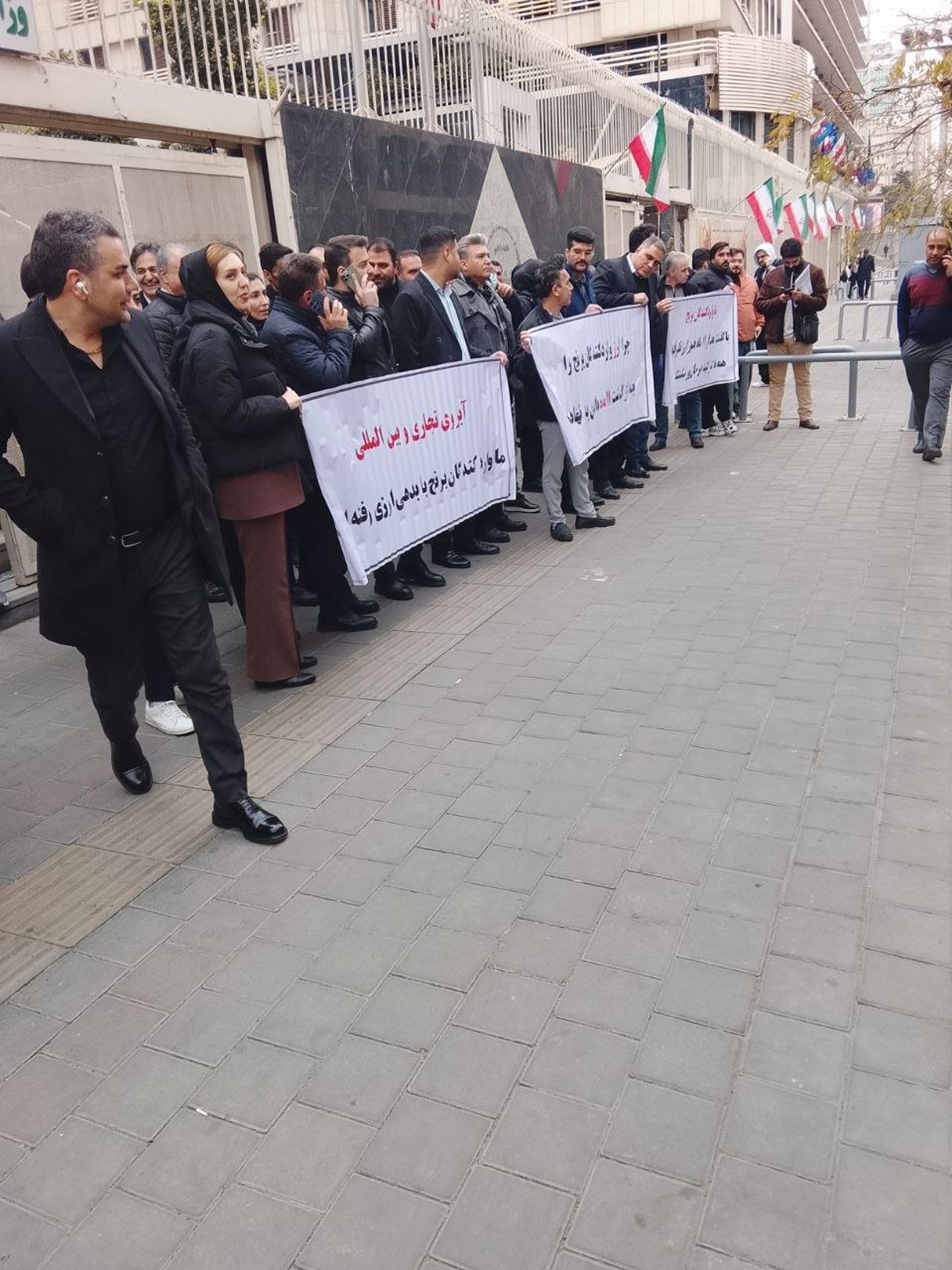
One of the protests in Tehran.
One of the protests in Tehran. (People's Mujahaden Organization of Iran/Twitter)

A wave of protests and strikes spread across Iran in recent days, underscoring mounting public anger over economic collapse, unpaid wages, and what demonstrators describe as the clerical regime’s corruption and repression.

Demonstrations were reported in cities across the country, involving workers, retirees, youth, students, and small business owners. At sporting events in Qazvin, Tabriz, and Urmia, young people chanted slogans rejecting both clerical rule and the former monarchy, signaling a broader rejection of all forms of dictatorship.

Labor unrest has been particularly widespread. Workers at the Zareh Shuran gold mine in Takab entered a fifteenth day of strike despite freezing temperatures, vowing to continue until their demands are met. Strikes and protest rallies were also reported among contract drivers in Tehran, oil industry workers and retirees in Ahvaz, Kermanshah, and Shahroud, railway maintenance workers in Lorestan, refinery workers in Kangan, and employees at a steam power plant in Iranshahr. Bakers in Shiraz and truck drivers in Saveh joined the wave, citing unpaid subsidies, low fares, and fuel shortages.

Healthcare staff and welfare organization employees in several cities also protested chronic neglect, low wages, and unpaid salaries, saying even state employees can no longer meet basic living costs.

Economic pressure reached a flashpoint in Tehran on December 28, when protests erupted in the historic bazaars after the rial plunged more than 7 percent in a single day. The U.S. dollar surged past 1.44 million rials, effectively paralyzing trade. Merchants shut their shops and marched through market corridors chanting, “Don’t be afraid, we are all together,” as retail and wholesale activity ground to a halt. Similar closures were reported in major commercial centers including electronics, iron, and shoe markets.

Iran’s currency has lost roughly half its value over the course of 2025, driving triple-digit inflation in many food items. Average monthly wages hover around $100, far below the poverty line, while meat and dairy products have become unaffordable for large parts of the population.

The unrest has spilled into parliament, where lawmakers openly warned of public fury and acknowledged severe budget shortfalls. Officials confirmed oil revenues were exhausted months ago, forcing the government to tap national reserves. Allegations of billions of dollars in unreturned oil revenues have further fueled public outrage.

Despite repression and arrests, the scale and coordination of the protests suggest deepening instability. As inflation soars and living conditions deteriorate, demonstrators increasingly frame the streets as the only remaining forum for demanding accountability and change.

Ready for more?

Join our newsletter to receive updates on new articles and exclusive content.

We respect your privacy and will never share your information.

Enjoyed this article?

Yes (42)
No (2)
Follow Us:

Loading comments...