
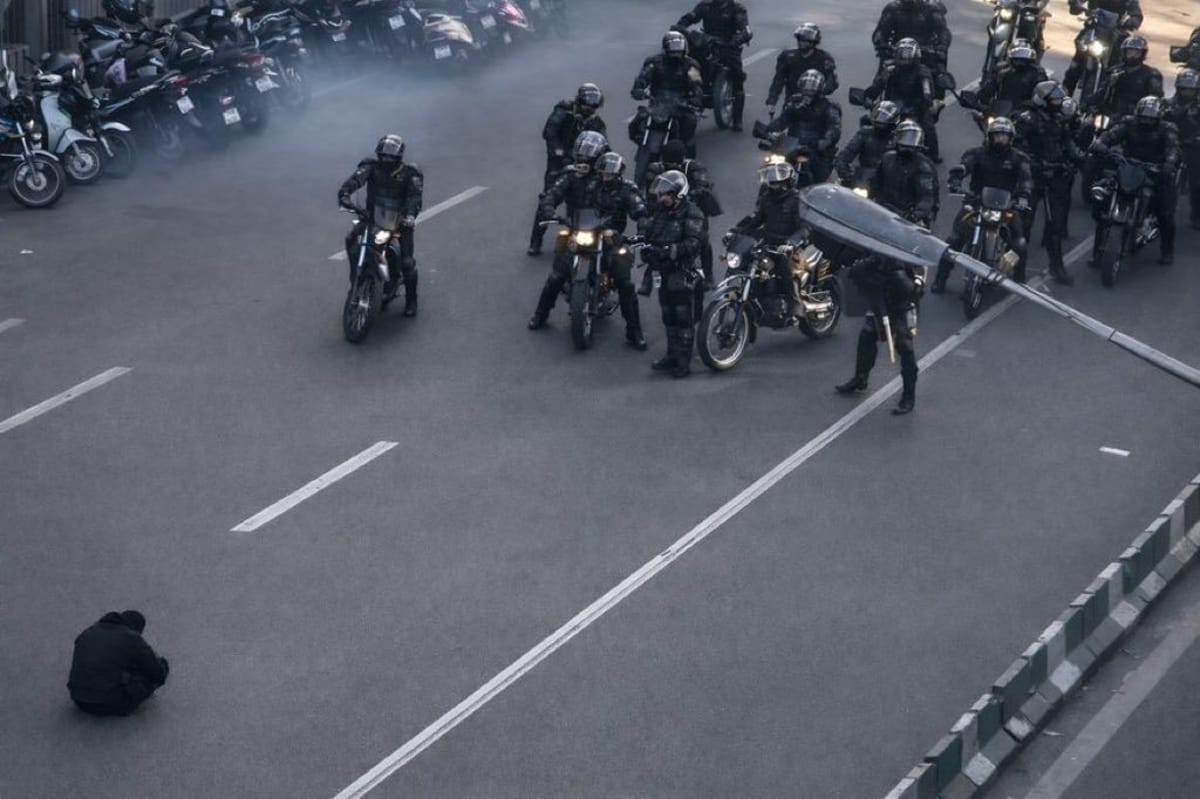
End of the Ayatollah
Protests in Tehran Grow as Crown Prince Urges Solidarity | WATCH
Iranian opposition figure Reza Pahlavi voiced open support on Monday for a wave of protests spreading across Iran, calling on citizens to take to the streets and urging security forces to abandon the Islamic Republic as the country’s economic crisis deepens.

Iranian opposition figure Reza Pahlavi voiced open support on Monday for a wave of protests spreading across Iran, calling on citizens to take to the streets and urging security forces to abandon the Islamic Republic as the country’s economic crisis deepens.
In a video message shared on social media, Pahlavi, the son of Iran’s last shah, addressed striking bazaar merchants and demonstrators directly. “As long as this regime remains in power, the country’s economic situation will continue to deteriorate,” he said, calling for “greater solidarity” and appealing to all sectors of Iranian society to join protests demanding the downfall of the system.
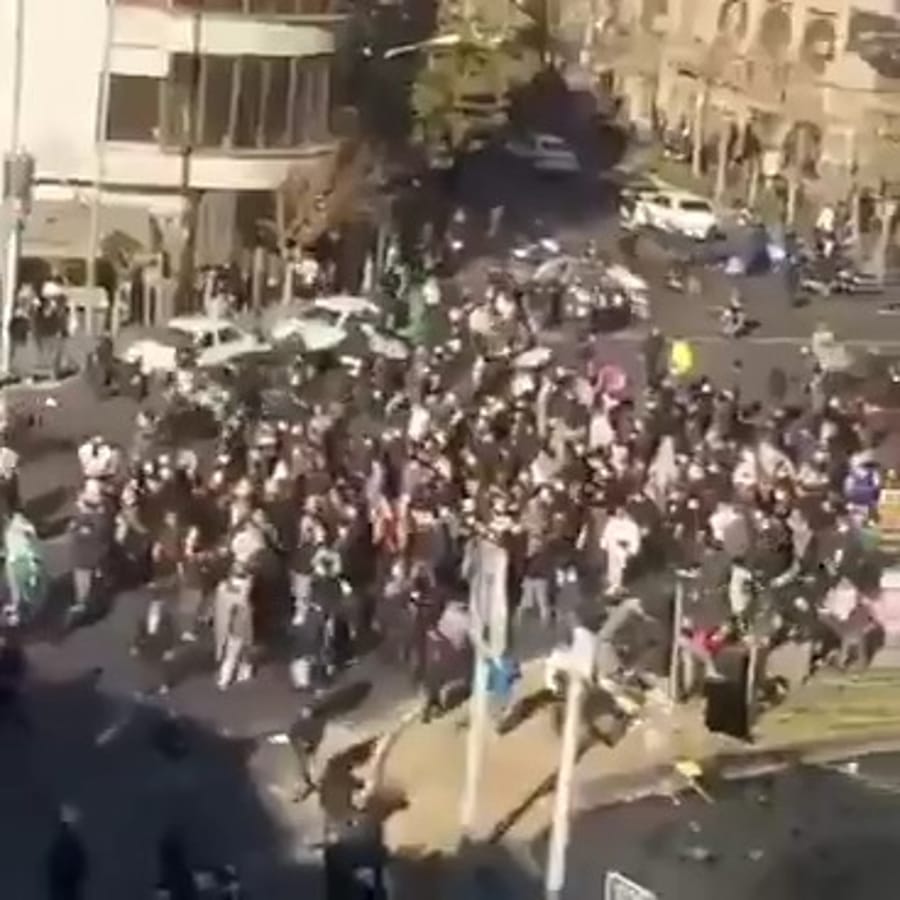
Demonstrations began Sunday after merchants in Tehran’s main bazaar closed their shops in protest of the collapsing economy. The unrest intensified Monday as strikes spread across several districts of the capital, with protesters later gathering in other cities, including Isfahan, Shiraz, Ahvaz, Hamadan, Qeshm and Mashhad.
Iran’s currency has plunged to historic lows, with the rial trading at roughly 1.4 million to the U.S. dollar on the open market, compared with an official rate of about 42,000. Inflation is officially above 40 percent, and the currency has lost roughly 97 percent of its value since 2018, fueling widespread anger among shopkeepers and workers.
Videos circulating from inside Iran show crowds chanting slogans supportive of Pahlavi, including calls of “Pahlavi will return,” alongside harsher chants targeting Supreme Leader Ayatollah Ali Khamenei and condemning Iran’s spending on regional proxy groups. Protesters were also heard chanting, “No to Gaza, no to Lebanon. I give my life for Iran.”
Pahlavi directed a pointed message at Iran’s security and law enforcement forces, warning that the regime is “collapsing” and urging them not to confront demonstrators. “Do not stand against the people. Join the people,” he said.
Authorities responded with a mix of warnings and cautious acknowledgment. Judiciary spokesman Asghar Jahangir cautioned against allowing economic grievances to become a pretext for what he described as hostile foreign interference. Revolutionary Guards-linked media warned of “destabilization” and unrest.
President Masoud Pezeshkian said he instructed the interior minister to engage with protesters’ representatives and address what he described as legitimate demands, while parliamentary leaders called for urgent economic measures. Despite the statements, strikes and demonstrations continued to spread, underscoring the depth of public frustration as Iran’s economic crisis worsens.