funeral for slain Supreme Leader Ali Khamenei

Inside Iran's Seven-Day State Funeral for Ali Khamenei

 A day-by-day guide to Iran's state funeral for slain Supreme Leader Ali Khamenei, from Tehran to Najaf to burial in Mashhad.

Inside Iran's Seven-Day State Funeral for Ali Khamenei
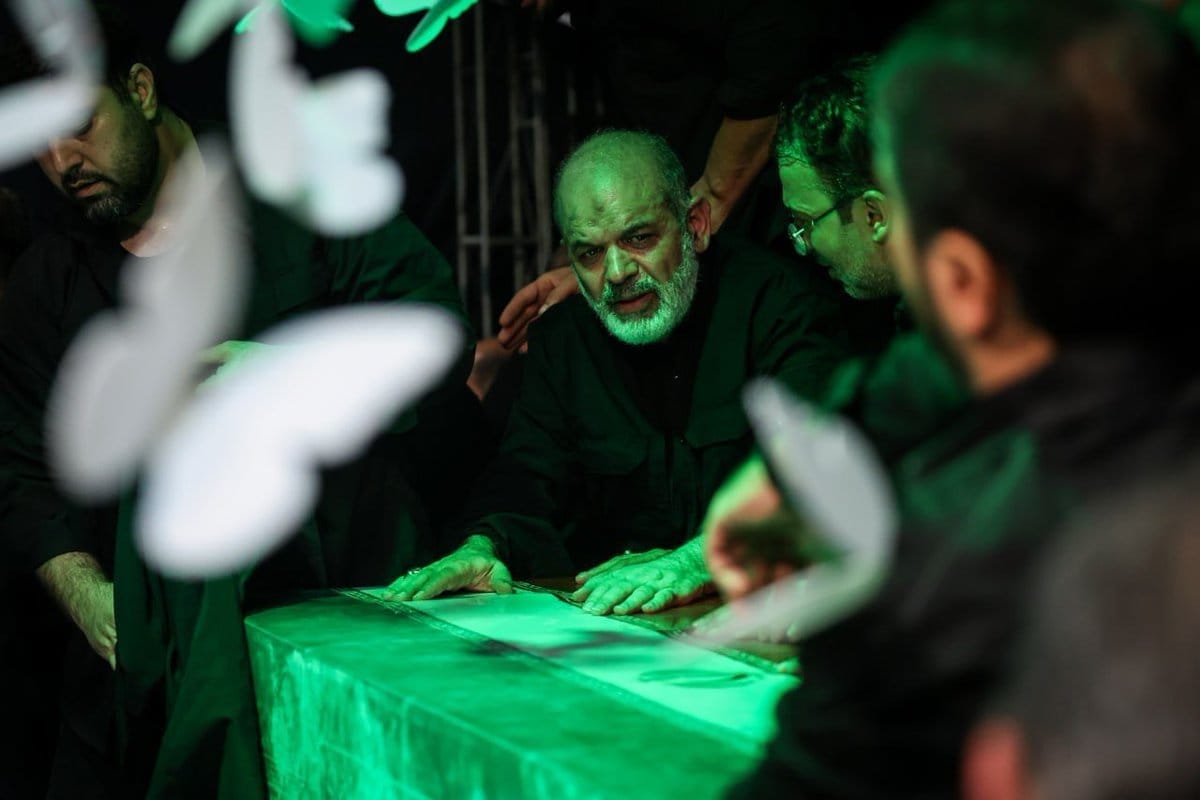
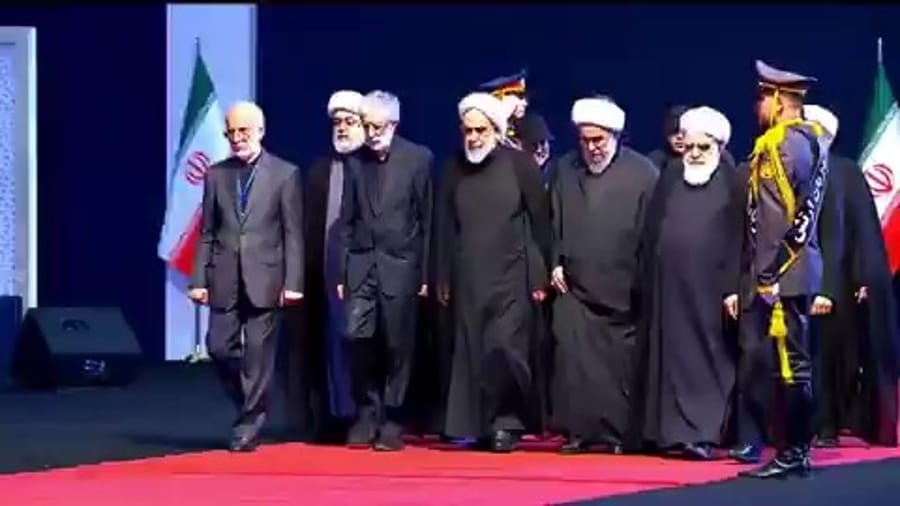
Vahidi next to Khamenei's casket
Vahidi next to Khamenei's casket (Photo: Open Source Intel)

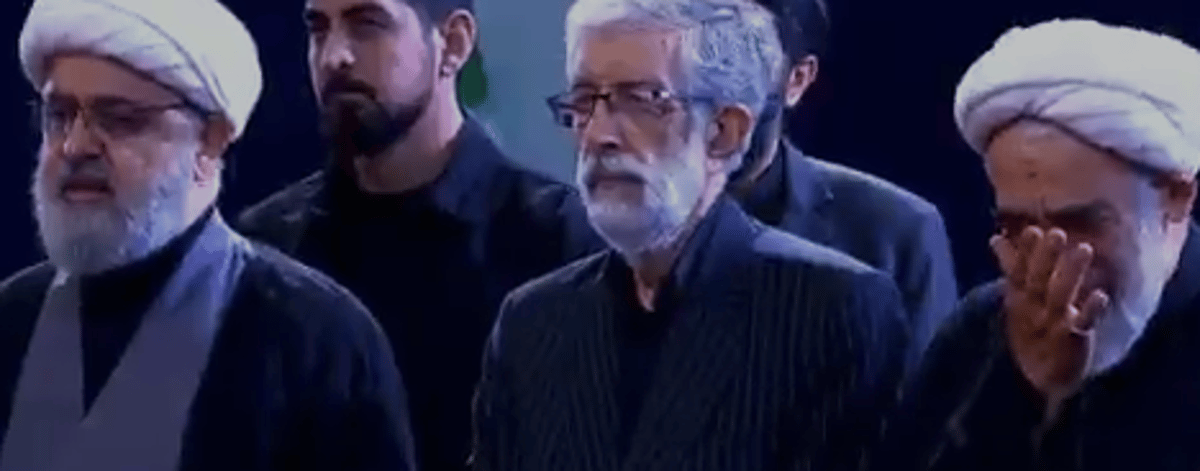
Iran has begun a week of state funeral ceremonies for Ali Khamenei, the supreme leader killed in the opening strike of the war on February 28, with events running from July 3 through his burial on July 9 across Iran and neighboring Iraq.

Khamenei, who led Iran for 37 years, was killed at age 86 alongside several family members when Israel and the United States struck his compound at the very start of the conflict. The funeral was originally expected in the spring but was delayed for months as the war continued, meaning Iran is only now able to hold the kind of mass public mourning period its leadership wanted.

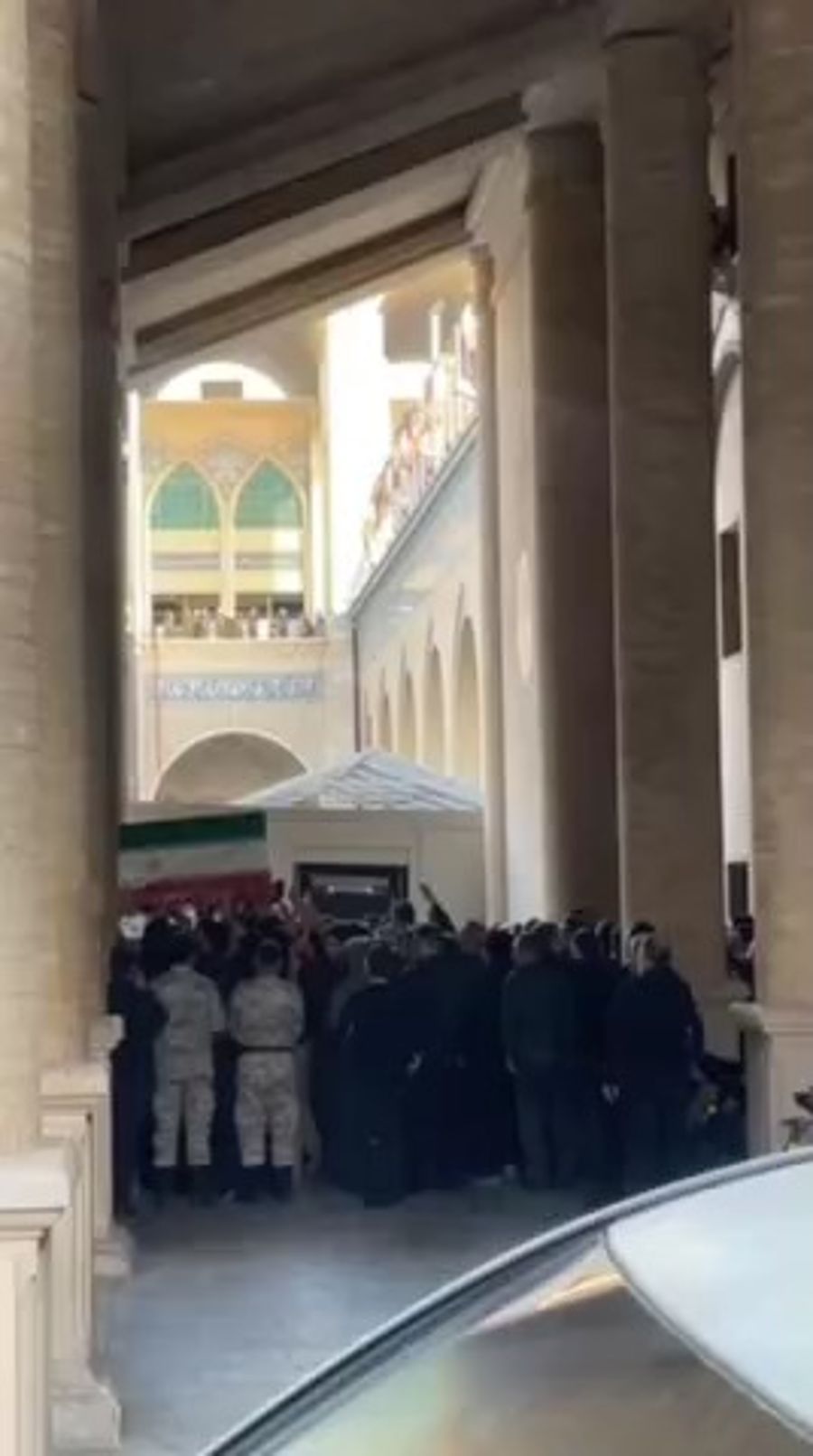
Ali Khamenei's coffin was transferred to the Imam Khomeini Mosque in Tehran.

The processions begin in Tehran, where the coffin, along with those of several family members also killed in the strike, is lying in state at the Grand Mosalla, one of the country's largest prayer complexes, allowing the public to pay respects. From Tehran, the procession moves to Qom, the center of Iranian Shia religious scholarship where Khamenei studied as a young cleric. From there it crosses into Iraq, with a formal reception at Najaf International Airport followed by public processions through Najaf and Karbala, two of the holiest cities in Shia Islam. The week concludes on July 9 with burial at the shrine of Imam Reza in Mashhad, the city of Khamenei's birth in 1939.

Iranian authorities are projecting a turnout of fifteen to twenty million people, which would make this the largest state funeral in the Islamic Republic's history. Parliament Speaker Mohammad Bagher Ghalibaf has explicitly framed the turnout as a political statement, calling on Iranians to attend en masse so that the "nation's call for vengeance" is heard around the world. Foreign dignitaries are attending as well, including Pakistani Prime Minister Shehbaz Sharif, who has played a mediating role in the US-Iran talks and is combining the funeral visit with a stop in Turkey.

Representatives of Iran's Jewish community, who fear the regime, announced that they will attend all the funeral ceremonies and eulogies. Ahead of the funeral, the community sent a special letter to Mojtaba.


Preparations for Ali Kahmenei's funeral are underway
Preparations for Ali Kahmenei's funeral are underway (Video: Uncredited)

Security around the event is unusually heavy even by Iranian standards. Authorities have mobilized the Basij militia and Islamic Revolutionary Guard Corps in a large-scale operation, and the head of Iran's Civil Aviation Organization confirmed temporary airspace closures over several cities during the ceremony period, including Tehran and Mashhad. Khamenei's body is reported to have been preserved through cold storage rather than embalming, a detail tied to the months-long delay between his death and burial.

The funeral is also functioning as a pause button on diplomacy. US-Iran negotiations over the nuclear program and the Strait of Hormuz, ongoing in Doha, are on hold until the ceremonies conclude, with mediators saying talks will resume once the mourning period ends.

Ready for more?

Join our newsletter to receive updates on new articles and exclusive content.

We respect your privacy and will never share your information.

Enjoyed this article?

Yes (22)
No (1)
Follow Us:

Unmissable content


Loading comments...

Also of Interest