As Iran opens seven days of funeral ceremonies for slain Supreme Leader Ali Khamenei, a parallel and far more urgent story is unfolding around his son and successor, and it centers on an explicit Israeli threat to kill him too.
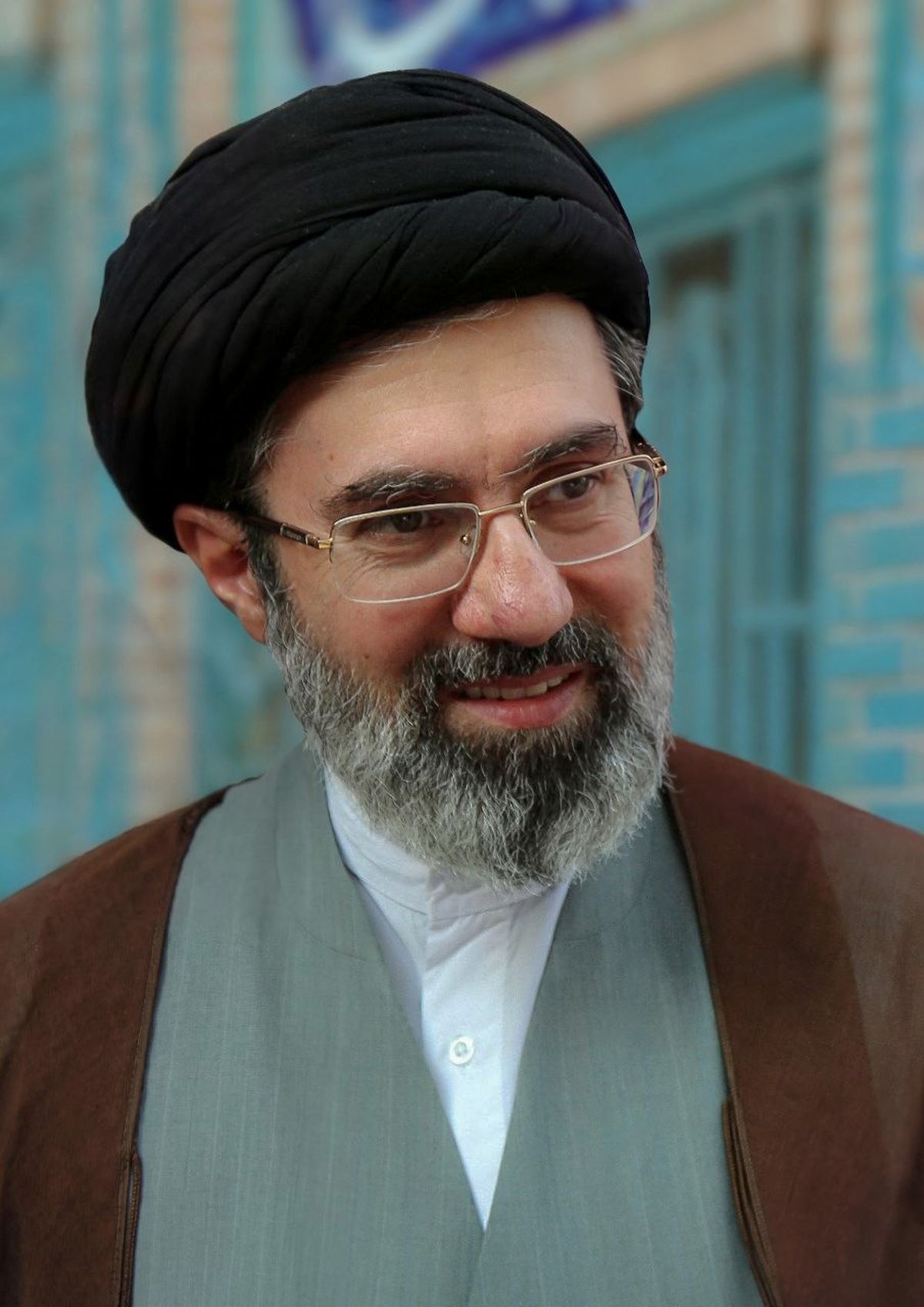
Defense Minister Israel Katz said that Mojtaba Khamenei, who inherited the title of supreme leader after his father was killed in the opening strike of the war on February 28, is "marked for death," language nearly identical to what Israeli officials used before the strike that killed the elder Khamenei. Mojtaba was reportedly injured in that same strike and has not been seen publicly since assuming the position, and has apparently been barred from attending the funeral for 'security reasons'.
Iran's response came fast and from multiple directions. Foreign Minister Abbas Araghchi warned Wednesday that Tehran would deliver "an immediate and powerful response to any threat" against Iranian leadership. A day later, Ali Abdollahi, commander of Iran's Khatam al-Anbiya Central Headquarters, went further, warning "the enemies of Iran, especially the US and the Zionist regime, to avoid any miscalculation and to think about the harsh retaliation our armed forces would make to any threat and aggression against our country."
The threat against Mojtaba is not happening in isolation. The New York Times reported this week, citing US officials, that Washington has grown concerned Israel could move against Iran's top negotiators as well, chiefly Araghchi and Ghalibaf, and that American officials were worried enough to ask regional intermediaries to pass a warning to Tehran. Israel has made targeted killings of Iranian leadership a defining feature of its war strategy since the opening strike, having also killed Ali Larijani, Iran's top national security official, and former foreign minister Kamal Kharazi, according to the same report.
Asked to respond to the Times report, an Israeli security official gave i24NEWS a reply that read as confirmation rather than denial: "If and when Israel wants to eliminate anyone, it does so." Israel did not deny the substance of the report, and the remark landed as a deliberate signal to Tehran rather than a walk-back.
The timing raises the stakes considerably. Iran is expecting fifteen to twenty million mourners and delegations from roughly thirty countries at the funeral processions running through July 9, with Iranian officials explicitly framing the turnout as a show of defiance. Parliament Speaker Ghalibaf called on Iranians to attend en masse to ensure the "nation's call for vengeance" rings out globally. Iranian authorities have responded to the security concerns with heavy measures of their own, including temporary airspace closures over Tehran and Mashhad during the ceremony period.
Whether Mojtaba Khamenei appears at all may itself become the story. His absence would raise fresh questions about the extent of his injuries and his ability to function as supreme leader at a moment when Iran is simultaneously trying to project strength through the funeral and negotiate a longer-term arrangement with Washington over its nuclear program and the Strait of Hormuz.