
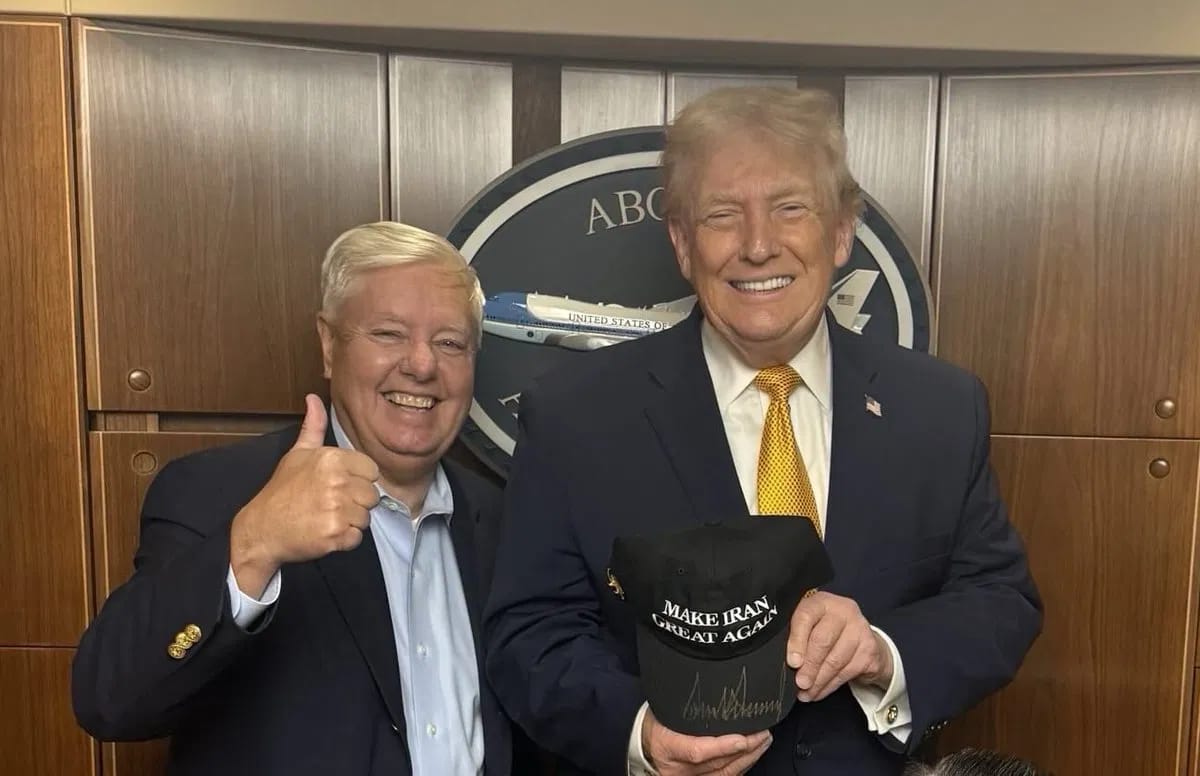
Divisions are widening among congressional Republicans as the Trump administration prepares a potential request for more than $200 billion to fund the ongoing war with Iran, with lawmakers increasingly demanding a clearer strategy before committing to additional spending.
The proposed funding package, which could be submitted to Congress in the coming weeks, would significantly exceed the cost of military operations so far. Defense officials have indicated the funds would be used to replenish munitions, sustain ongoing strikes, and potentially expand military capabilities as the conflict approaches its fourth week.
But even before a formal request has been made, resistance is building within the Republican Party. GOP leaders have privately acknowledged they may lack sufficient support to pass such a large package without more detailed explanations from the White House about the war’s objectives and timeline.
President Donald Trump previewed the request this week, saying the goal is to ensure the United States maintains overwhelming military readiness. However, he did not outline specific operational goals or a path toward ending the conflict, a gap that is fueling concern among lawmakers.
Several Republicans, including both fiscal conservatives and more centrist figures, are questioning how long the United States plans to remain engaged and what constitutes success. The absence of a defined exit strategy has become a central issue in internal discussions.
Concerns about the potential deployment of ground forces are also contributing to unease. While the administration has not confirmed any plans for “boots on the ground,” reports of increased military deployments to the region have raised alarms among lawmakers wary of escalation.
Some Republicans have warned against entering a prolonged or open-ended conflict, drawing comparisons to past US military engagements in the Middle East. The issue is particularly sensitive within a party that has, in recent years, shifted away from its traditionally interventionist stance.
A number of lawmakers have said they would only consider supporting additional funding if the administration provides clear answers about the mission, its scope, and its expected duration. Others have indicated outright opposition to any new war-related spending, citing concerns about domestic economic pressures and the growing national debt.
Fiscal conservatives are also pushing for conditions on any funding package. Some have called for spending offsets, while others have raised concerns about the Pentagon’s financial oversight, arguing that additional funding should be tied to greater accountability measures.
The debate is further complicated by broader political considerations. Rising oil prices and economic uncertainty linked to the conflict are beginning to affect voters, and some Republicans have warned that a prolonged war could carry electoral risks ahead of upcoming elections.
Party leaders have attempted to strike a balance, describing the military campaign as limited in scope while acknowledging that the situation remains fluid. However, uncertainty over the trajectory of the conflict is making it more difficult to maintain unity within the party.
The funding request is also expected to face strong opposition from Democrats, meaning Republican leaders may need near-unanimous support within their own ranks or explore alternative legislative strategies to secure approval.
Behind the scenes, lawmakers from both parties have pressed administration officials for more detailed briefings on the costs and objectives of the war. So far, only partial estimates have been shared, adding to frustration on Capitol Hill.
The emerging debate highlights a broader transformation within the Republican Party. Once defined by a more hawkish foreign policy approach, many GOP lawmakers are now more cautious about large-scale military commitments, particularly those without clearly defined goals.
As the administration finalizes its funding request, the growing skepticism among Republicans suggests that securing congressional approval will be far from straightforward. The coming weeks are likely to test both party unity and the administration’s ability to justify the scale and direction of the war effort.