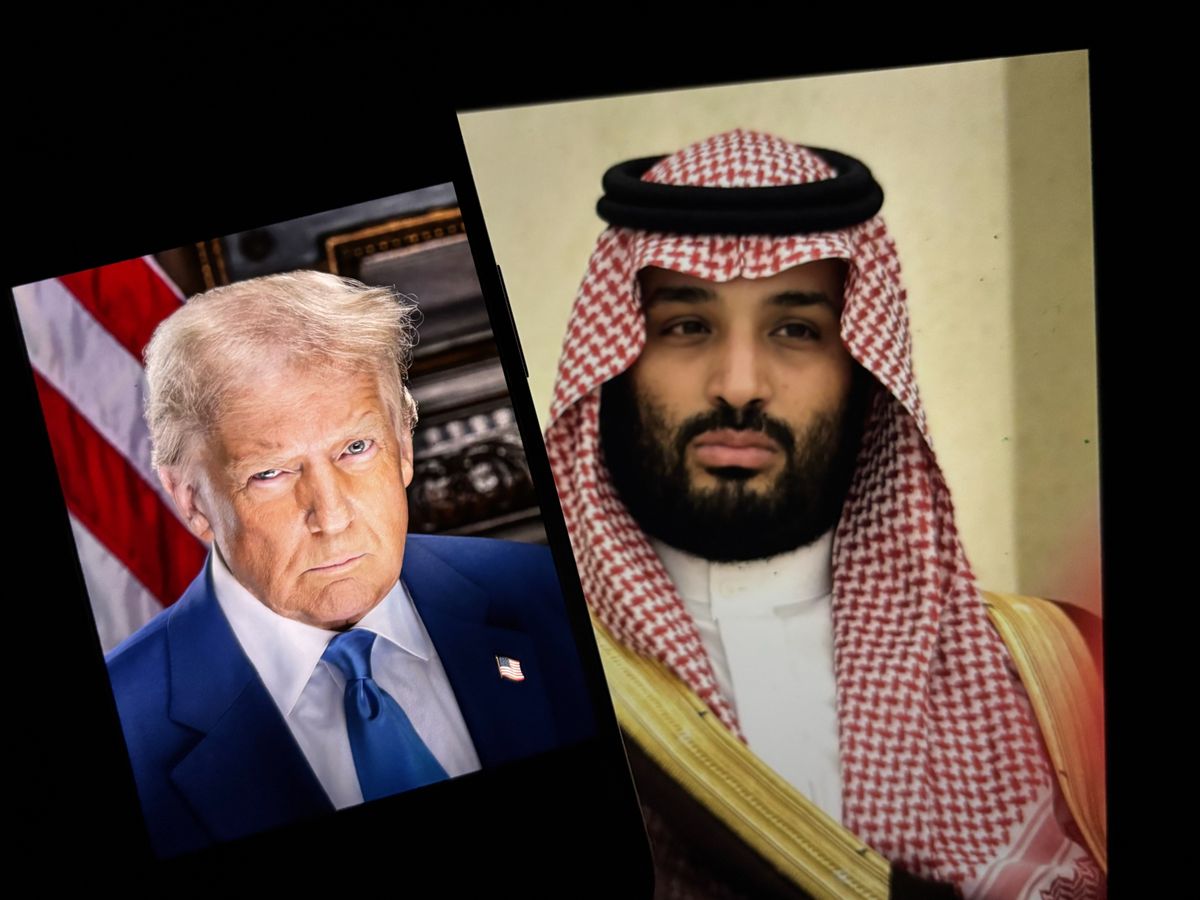
In a dramatic reversal that underscores the fragile nature of Gulf alliances, President Donald Trump has suspended "Project Freedom," the U.S. military operation intended to escort commercial vessels through the strategic Strait of Hormuz.
The decision follows a sharp rebuke from Saudi Arabia, which reportedly shut down its airspace and critical military bases to U.S. forces involved in the mission, effectively grounding the operation within 36 hours of its launch.
Riyadh’s Red Line: "No Coordination, No Access"
According to a report by NBC News, the Gulf states, led by Saudi Arabia, were "blindsided" when the President announced the military escort mission via social media on Sunday. The lack of prior coordination reportedly infuriated Crown Prince Mohammed bin Salman (MBS).
In a high-stakes power move, Riyadh informed Washington that U.S. aircraft would be barred from using Prince Sultan Airbase or flying through Saudi airspace for the operation. Despite a direct phone call between Trump and the Crown Prince, no compromise was reached, forcing the President to halt the mission to maintain long-term access to the region's vital air corridors.
"The U.S. made an announcement and then coordinated with us," a regional diplomat told reporters, highlighting the friction caused by the administration’s "post-first, talk-later" approach.
The Nuclear Bargain: WSJ Reveals U.S. Demands
As the military standoff pauses, the diplomatic focus shifts to the 14-point memorandum currently sitting on the desks of Iranian leadership. The Wall Street Journal has detailed the "unyielding" red lines Washington has set as a condition for a final deal:
- Total Dismantlement: Iran must physically destroy its nuclear facilities at Fordow, Natanz, and Isfahan.
- The 20-Year Ban: The U.S. is demanding a 20-year moratorium on all uranium enrichment, a significant jump from Iran’s 5-year proposal.
- Stockpile Surrender: Tehran must hand over its entire stockpile of enriched uranium, including the 60% material that is near weapons-grade.
- Snap Inspections: UN inspectors must be granted "on-demand" access, with automatic penalties triggered by any violations.
What Happens Next?
Tehran is expected to deliver its formal response to this framework today. The proposal offers a 30-day window for detailed negotiations; if accepted, the U.S. would begin a "gradual" lifting of the naval blockade and the unfreezing of billions in Iranian assets.
However, the suspension of "Project Freedom" has shifted the leverage. With the U.S. military currently unable to secure the Strait without Saudi cooperation, the pressure on the upcoming Islamabad or Geneva talks has reached a fever pitch.
As Secretary of State Marco Rubio noted, the window for a civilian-only Iranian program is closing fast, and the alternative remains a return to "maximum intensity" conflict.