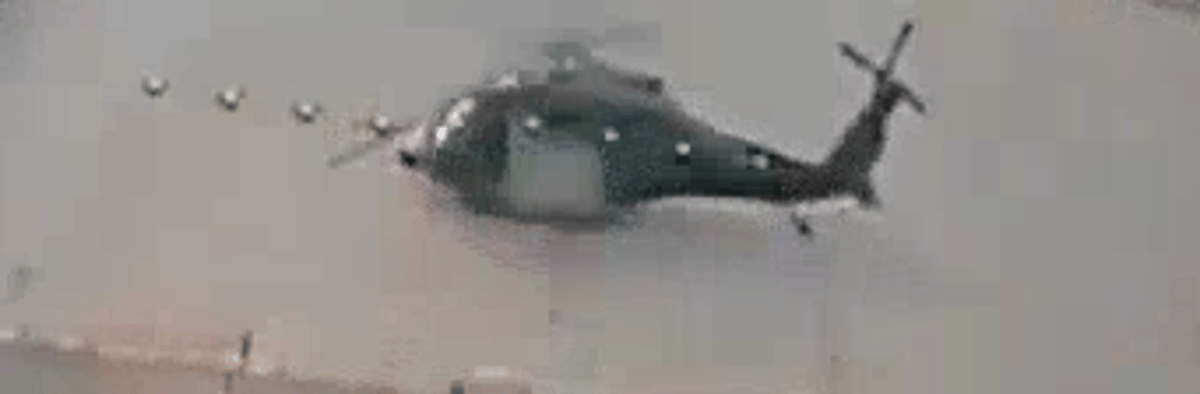
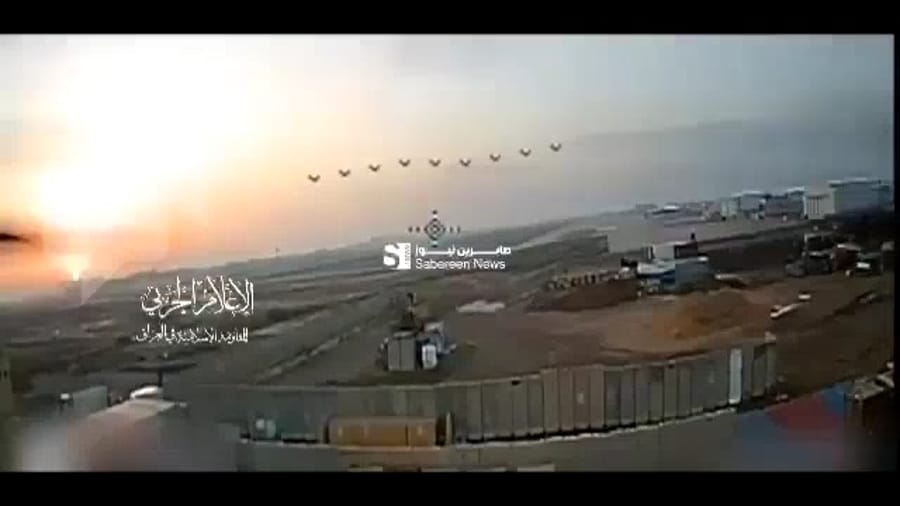
The strikes represent an escalation in tactics by the militias, which have claimed more than 300 attacks on U.S. and allied targets in Iraq and Syria since late February, when U.S. and Israeli operations against Iran intensified. Earlier in March, Kataib Hezbollah, one of the most prominent Iran-aligned factions, released similar footage of a drone conducting reconnaissance inside the base before detonating on a structure, marking what analysts described as the group’s first successful use of fiber-optic-guided FPV drones to evade electronic jamming.
Camp Victory, once the largest U.S. base in Iraq during the 2003-2011 occupation, was formally transferred to Iraqi control in December 2011. It now serves primarily as a support hub for U.S. diplomatic personnel and logistics within the Baghdad airport complex. American combat troops largely withdrew from the site years ago, relocating to more secure positions elsewhere in Iraq.
The militias, including Kataib Hezbollah and factions such as Ashab al-Kahf, operate with varying degrees of integration into Iraq’s Popular Mobilization Forces, a state-backed paramilitary network. They have openly described the attacks as retaliation for U.S. support of Israel and strikes on Iranian interests. Iraqi government officials have condemned attacks on their territory while maintaining ties to the groups.
U.S. forces have intercepted some incoming drones in prior incidents and carried out retaliatory airstrikes on militia positions. Pentagon officials have described the campaign as a persistent threat but have not issued a specific comment on the March 23 footage as of Tuesday. Independent verification of damage remains limited, with analysts noting that the low-cost drones, often assembled from commercial components, inflict symbolic rather than strategic harm while highlighting vulnerabilities in base defenses.
The Islamic Resistance in Iraq has vowed to continue operations until U.S. forces withdraw from the region.