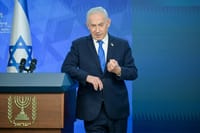
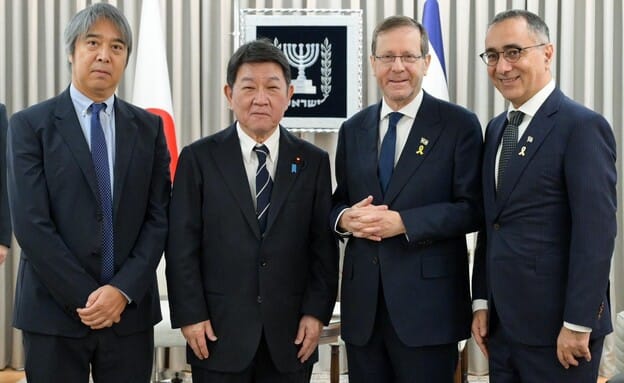
The diplomatic landscape of the Middle East is witnessing a significant shift as Japan, the world’s fourth largest economy, seeks to elevate its relationship with Israel to a formal strategic partnership. This week, Japanese Foreign Minister Toshimitsu Motegi conducted an official visit to Jerusalem, meeting with high ranking Israeli officials including Prime Minister Benjamin Netanyahu and Foreign Minister Gideon Sa’ar. This visit represents a major turning point in bilateral ties, as both nations look toward a post war future focused on economic growth and regional stability. Following the conclusion of the war in Gaza, the two countries are now working to thaw negotiations for a historic free trade agreement that was previously frozen due to the security situation.
Israeli Ambassador to Japan Gilad Cohen explained that the primary goal of this diplomatic push is to reach a new level of strategic cooperation. "Our goal today, also through this visit that comes after the war in Gaza has ended, is to reach a level of strategic relations with Japan," the Ambassador noted. A key component of this renewed bond is the potential for a free trade agreement, which Cohen says is "very important for Israeli exports." Additionally, Israel has requested that Japan officially remove its travel warning for the country. Such a move would allow Japanese corporations that had opened offices in Israel to return, restart work delegations, and finalize aviation agreements between the two nations.
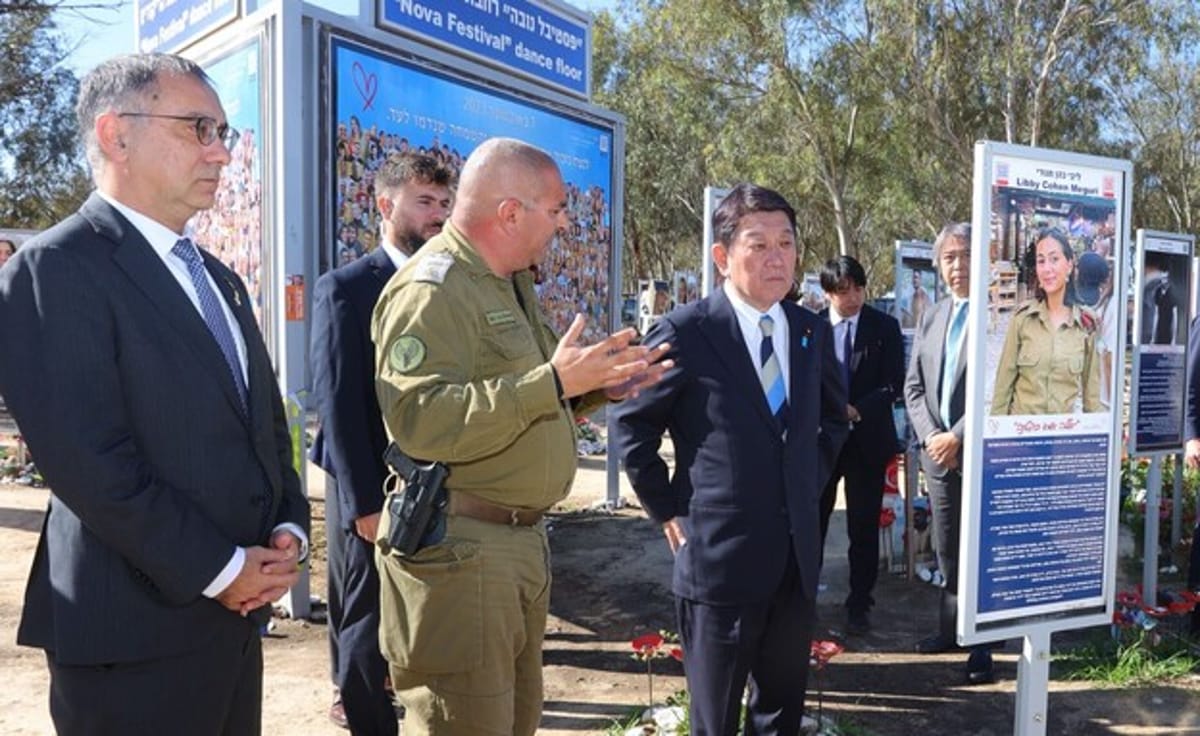
The visit also highlighted Japan’s desire to play a direct role in the recovery of Gaza. While Japan’s constitution and history prevent it from sending military forces, Minister Motegi expressed a strong interest in leading civilian reconstruction efforts. Ambassador Cohen shed light on the possibilities, stating that Japan is looking into projects involving "infrastructure, peace education, or other humanitarian fields." The specific nature of this involvement is expected to be decided in the near future in close coordination with Israeli authorities. During his trip, the Japanese delegation also visited the Nova festival memorial site and the American headquarters in Kiryat Gat, signaling a deep solidarity with the victims of the October 7 massacre carried out by Hamas terrorists.
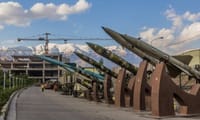
Beyond economic and humanitarian issues, Japan occupies a unique position as a mediator. Tokyo maintains functional diplomatic ties with Tehran, and Ambassador Cohen revealed that the Japanese are actively "trying to convey messages to Iran" regarding Israeli concerns. Despite these open channels, Japan remains firmly aligned with the West and Israel on the nuclear issue, demanding the total dismantling of the Iranian nuclear program. With the recent election of Sanae Takaichi as Japan’s Prime Minister, experts anticipate an even stronger alignment between Tokyo and Jerusalem. As a member of the G7 with immense influence in international organizations, Japan’s decision to deepen its presence in Israel marks a new chapter of international legitimacy and economic opportunity for the Jewish state.