Under the cover of Israeli airstrikes and direct American backing, thousands of skilled Kurdish fighters are currently preparing to cross the border and spark a revolution in the heart of Iran. This dramatic move could turn the country into a "hornets' nest" and change the entire face of the campaign against the Ayatollah regime.
The Looming Ground Operation
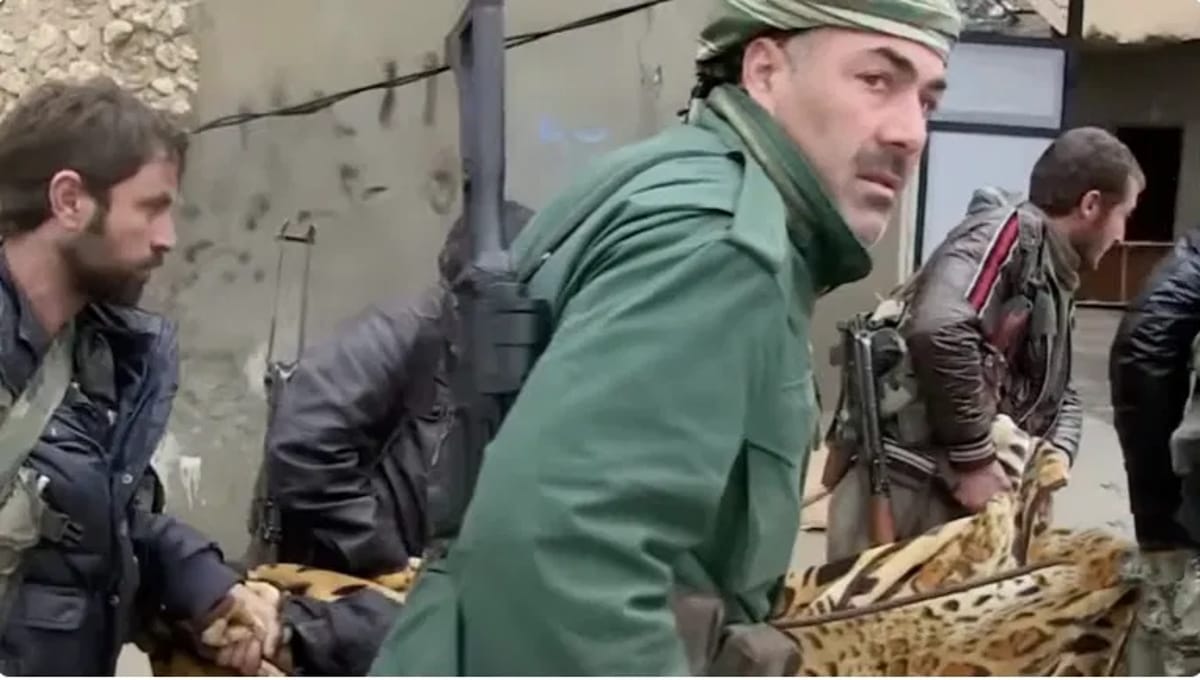
In the mountains of northern Iraq’s Kurdish autonomous region, a move is unfolding that could reshape the Middle East. While the world watches the exchange of blows between the U.S.-Israel alliance and Iran, Iranian-Kurdish opposition groups—well-organized and possessing rich combat experience—are preparing for the command to cross the border and begin a ground operation inside Iranian territory.
Reports of an impending revolution are no longer confined to quiet whispers; they have become an operational plan taking shape, reportedly supported by the highest levels in Washington. These groups consist of exiled Iranian Kurds who have found refuge for decades in Iraqi Kurdistan, specifically around Erbil and Sulaymaniyah. Key organizations include:
* The Democratic Party of Iranian Kurdistan (PDKI)
* The Kurdistan Freedom Party (PAK)
* The Komala Organization
For these groups, the struggle is not new. The Kurds, who make up 5% to 10% of Iran’s population, have a long and bloody history of uprisings against oppression under both the Shah and the Islamic Republic.
Strategic Support from the West
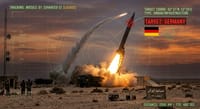
Though currently armed primarily with light weapons, the strategic picture is far more significant. Israel and the United States are reportedly conducting massive airstrikes in western Iran to "break a path" and create "access points" for Kurdish fighters.
The American plan, as described by former security officials, is not a direct march to Tehran. Instead, it utilizes experienced Peshmerga fighters as a ground force to distract and wear down the Iranian army under heavy air cover. Many of these fighters previously fought alongside U.S. forces against ISIS.
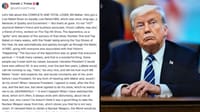
President Trump has reportedly described the possibility of Kurds crossing the border as "wonderful," with reports indicating phone calls were held with Kurdish leaders in Iraq to coordinate logistics and border openings.
Yesterday, he said, "We don't want Kurds to die. They want to [invade Iran]."
A "Hornets' Nest" for Tehran
The entry of thousands of Kurdish fighters represents an internal and dynamic threat that the regime fears most—the loss of territorial control. If successful, this move could encourage other ethnic groups, such as the Balochis in the southeast, to join the struggle, potentially leading to the regime's collapse from within.
However, the maneuver carries significant risks:
* Retaliation: The Kurdish leadership in Iraq fears a devastating Iranian response; Erbil is already facing drone and missile attacks targeting infrastructure and civilians.
* Internal Friction: Tension exists between Kurdish groups and the Iranian monarchist opposition (supporters of the Shah's son), who accuse the Kurds of separatist ambitions that could dismantle Iran.
The Kurds, often viewed historically as a tool for various powers, now stand at a historic jumping-off point. The question remains: will they be the ones to drive the final nail into the coffin of the Ayatollah regime?