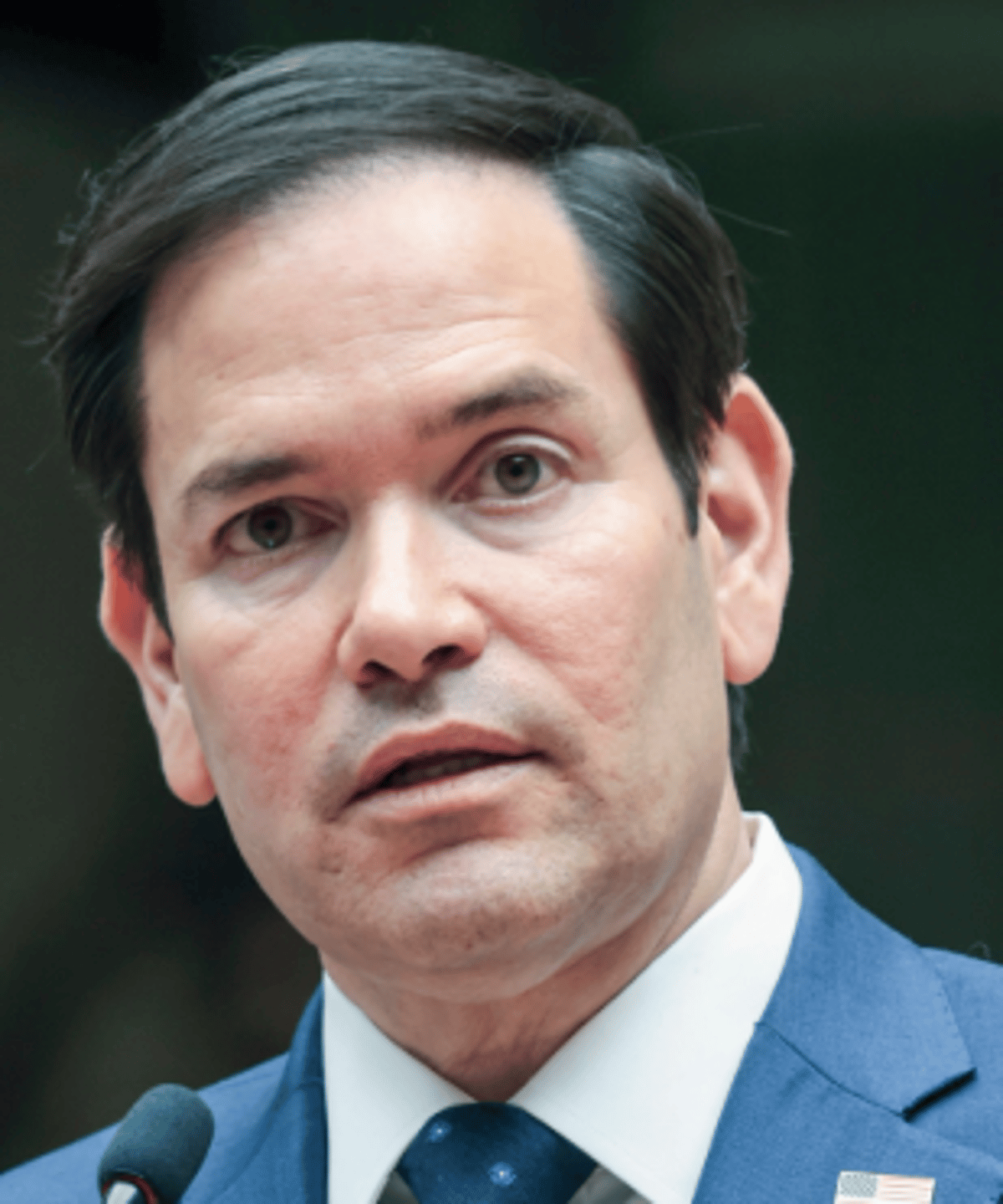
U.S. Secretary of State Marco Rubio delivered a rousing speech at the Munich Security Conference on February 14, 2026, advocating for a resurgence of Western dominance rooted in Christian values and European heritage, while decrying mass migration and the collapse of the post-World War II order.
The address, which emphasized the intertwined fates of the U.S. and Europe, earned enthusiastic applause and a partial standing ovation from attendees, including German Chancellor Friedrich Merz and French President Emmanuel Macron, who engaged in discussions on shifting global power dynamics.
Rubio's remarks framed the U.S. as Europe's "child," urging a united front against globalization's pitfalls, including open borders and deindustrialization.
"We believe that Europe must survive," he stated, drawing cheers for rejecting what he called the "managed decline" of the West.
While some European leaders hailed the tone as reassuring compared to Vice President JD Vance's more confrontational address the previous year, others noted the underlying alignment with MAGA policies, warning of potential rifts.
Just days later, on February 16, Rubio shifted gears during a visit to Budapest, where he praised Hungarian Prime Minister Viktor Orbán and announced a new U.S.-Hungary intergovernmental agreement on civil nuclear cooperation.
The pact, signed with Hungarian Foreign Minister Péter Szijjártó, paves the way for U.S. exports of small modular reactors, nuclear fuel, and spent fuel storage technology, aiming to bolster Hungary's energy independence amid ongoing European tensions over Russian energy reliance.
Rubio's endorsement of Orbán came ahead of Hungary's snap elections on April 12, 2026, where the long-serving prime minister faces a tight race.
Despite Rubio's past criticisms of Orbán's democratic backsliding, he highlighted the "strong personal relationship" between Orbán and President Donald Trump, stating, "We want this country to do well, especially as long as you’re the prime minister."
This move has drawn sharp rebukes from U.S. Democrats, who labeled it "MAGA rhetoric" and accused the administration of meddling in foreign elections.
EU leaders have pushed back against Rubio's broader claims, particularly on U.S. visa policies and accusations of a "woke Europe," viewing the Budapest visit as undermining European unity.
Critics argue the contrast between Rubio's conciliatory Munich tone and his support for Orbán—a figure often aligned with Russian interests—highlights deepening transatlantic divides.