The diplomatic tension between the United States and Iran has reached a fever pitch as both nations prepare for a second round of indirect nuclear talks in Geneva. While Iranian Foreign Minister Abbas Araghchi has arrived in Switzerland signaling a willingness to show "flexibility," the rhetoric coming from Tehran remains overtly hostile. A senior advisor to the IRGC commander recently claimed on live television that Iran would not only target American bases across the Middle East but would also launch precision strikes against real estate assets in the Emirates belonging to President Trump and his son-in-law, Jared Kushner. This personal threat comes as US Secretary of State Marco Rubio and White House envoys Steve Witkoff and Jared Kushner prepare to meet with Iranian officials through Omani mediators to demand immediate and verifiable concessions on uranium enrichment.
The Geneva Ultimatum
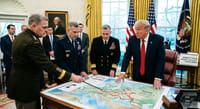
The White House has made it clear that President Trump has "no patience" for the prolonged negotiations that characterized previous administrations. The American delegation is demanding that Iran come to the table with a concrete plan to move its stockpile of 450 kilograms of highly enriched uranium out of the country. To emphasize the gravity of the situation, the United States has deployed the USS Gerald R. Ford aircraft carrier to the region to join the USS Abraham Lincoln. President Trump stated that this "very big force" is ready for action "in case we don't make a deal." The administration is also working closely with Israeli Prime Minister Benjamin Netanyahu to implement a strategy to choke off Iran's oil exports to China, which currently accounts for over 80 percent of Tehran's revenue.
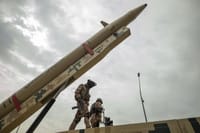
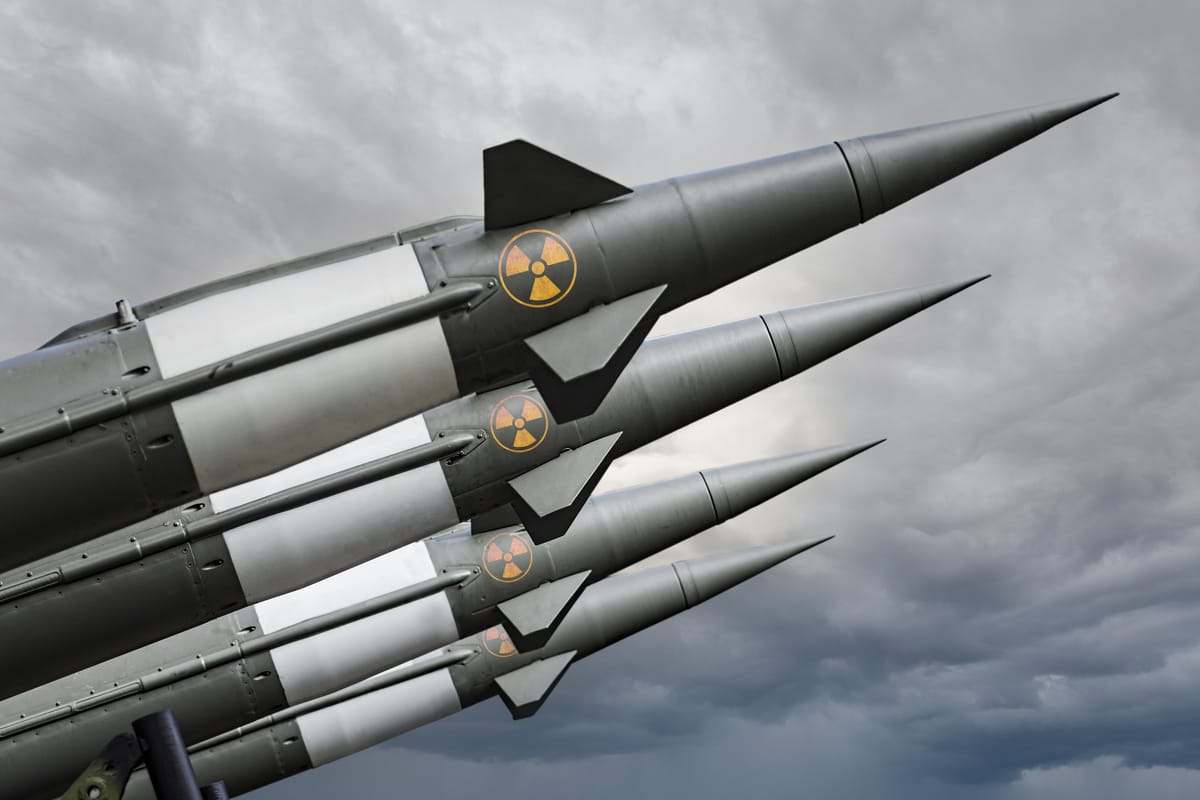
In a move to de-escalate through economic incentives, some Iranian diplomats have suggested a new deal that would include cooperation in oil, gas, and mining, as well as the purchase of American aircraft. They argue that the 2015 agreement failed because it did not provide the United States with sufficient economic benefits. However, with Iranian missiles reportedly capable of reaching Mach 16 and carrying 1.5-ton warheads, the US security establishment remains skeptical of Tehran's conciliatory tone. As Secretary Rubio noted, while the President prefers a diplomatic resolution, a deal is far from guaranteed, and the failure of the Geneva talks would result in a "very bad day" for the Iranian regime.