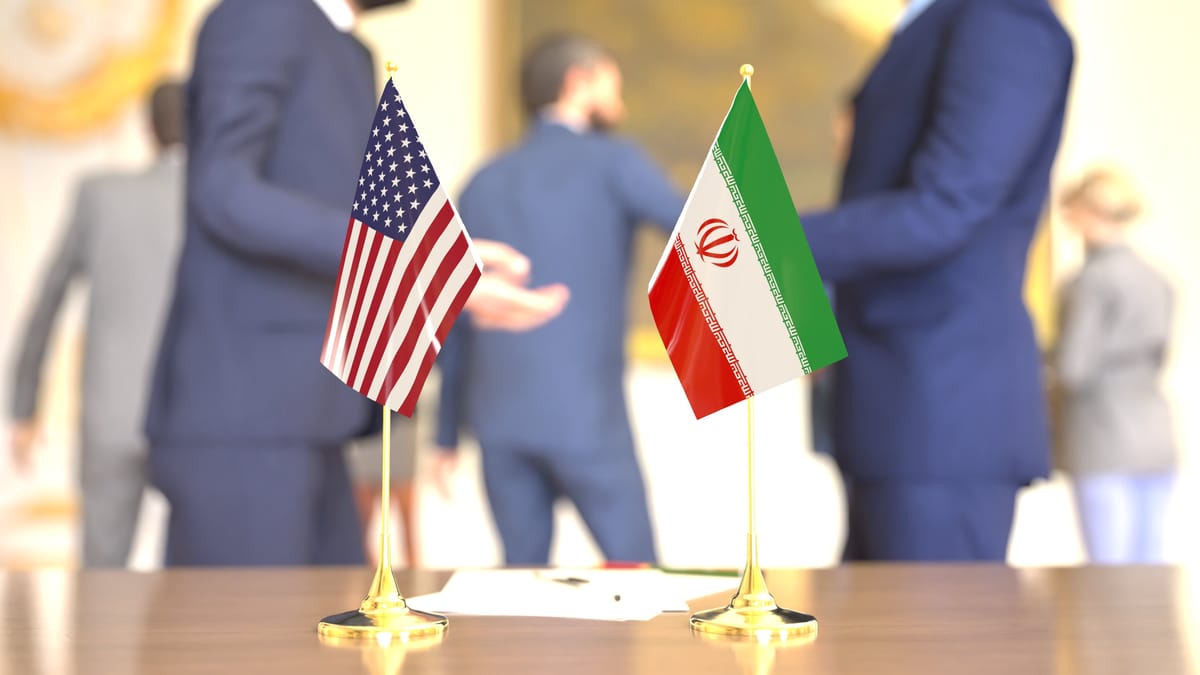
Iran has not set a date for the next round of negotiations with the United States, a senior Iranian official said Saturday, stressing that both sides must first agree on a framework for talks.
Deputy Foreign Minister Saeed Khatibzadeh said discussions were now focused on establishing a “framework of understanding” before scheduling further meetings. He warned that Iran would not enter negotiations that were “doomed to fail” or risk triggering further escalation.
The latest comments come after high-level talks in Islamabad last weekend ended without agreement, despite what Iranian officials described as “significant progress.”
Khatibzadeh blamed the lack of a breakthrough on what he called a “maximalist approach” by Washington, particularly regarding demands tied to Iran’s nuclear program. He said Iran would not accept terms that place it outside international law.
“Iran would not accept to be an exception from international law,” he said, adding that any commitments would remain within established international frameworks.
US President Donald Trump has suggested additional direct talks could take place soon, though diplomats have cast doubt on the feasibility of quickly organizing another round in Islamabad.
Khatibzadeh also addressed reports regarding the Strait of Hormuz, saying Iran continues to allow safe passage for commercial vessels in line with ceasefire arrangements. He accused the United States of undermining the agreement by imposing restrictions affecting Iranian shipping.
“If Americans are not going to honour their words, there will be repercussions,” he said.
The uncertainty over further talks comes amid ongoing tensions following the recent ceasefire arrangements involving Iran, the United States, and regional actors.