SHOCKING: Donald Trump Defends Iranian Long Range Missile Capabilities at G7 Summit
During a series of erratic press engagements at the G7 summit, US President Donald Trump issued stunning public statements justifying Tehran's need for a ballistic missile arsenal while simultaneously demanding greater gratitude from regional allies.
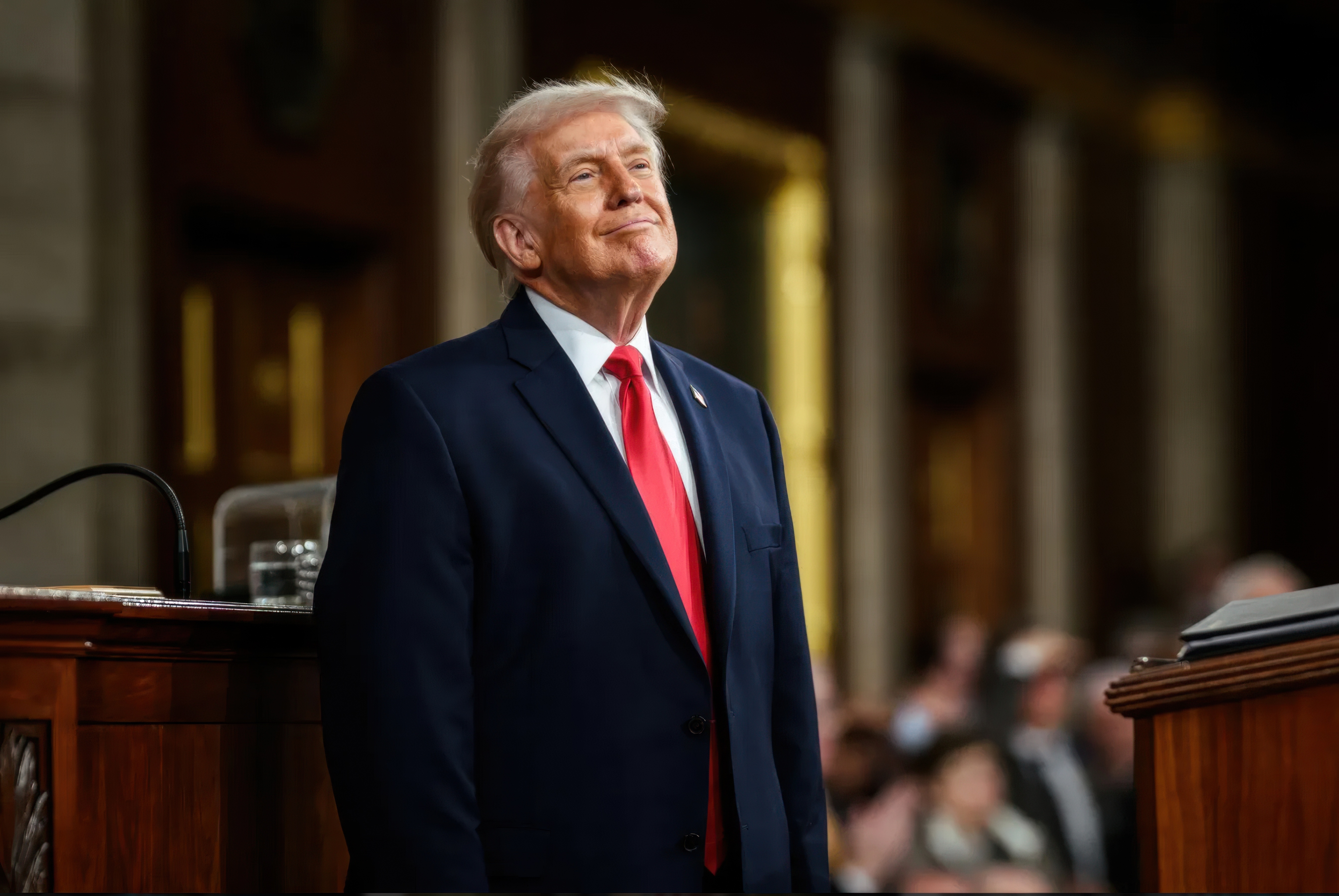
The diplomatic maneuvering at the G7 summit in France has taken a highly volatile turn following a sequence of bizarre, unscripted declarations by United States President Donald Trump regarding the impending maritime treaty with the Islamic Republic of Iran. While international intermediaries continue holding urgent deliberations to electronically ratify the controversial fourteen point memorandum of understanding as early as tonight, Trump used his global media platform to aggressively defend the core defense capabilities of the Ayatollah regime. The extraordinary executive statements have triggered widespread panic among defense planners, as the American president openly normalized Iran's pursuit of heavy delivery systems while publicly lecturing close allies on their tactical counter terrorism choices.
The most shocking escalation materialized when the American president explicitly justified Tehran's continuous development of advanced delivery platforms, shattering decades of bipartisan Western non proliferation policy in a single briefing. Trump flatly asserted that "Iran needs to have ballistic missiles because other countries have them too," an unprecedented concession that effectively validates the regime's ongoing production of long range strategic weaponry. This staggering defense of Iranian military infrastructure comes at a highly sensitive moment, just as leaked clauses of the Swiss memorandum exposed a total failure by Western negotiators to outlaw the acquisition of finished nuclear warheads or enforce immediate, verifiable rollbacks of existing uranium caches.
Compounding this geopolitical shift, Trump directed sharp rhetorical broadsides toward Jerusalem, explicitly rebuking Prime Minister Benjamin Netanyahu over active defensive operations along the northern front lines. The president claimed that "between me and Bibi there is a small dispute regarding Lebanon, Israel could have done a better job regarding Hezbollah," openly criticizing the operational precision of allied ground forces. Trump detailed his exact complaints, stating, "I told him, Bibi, you don't have to pull down a building every time Hezbollah does something," later adding that "maybe you don't need to pull down a building every time someone from Hezbollah enters it." Despite boasting that "we defeated Iran militarily already in the first week of the war," the president forcefully declared that "I expect more gratitude from Israel" for his administration's unilateral actions.
The American leader fiercely defended the collapsing sanction architecture by painting a catastrophic picture of the alternative, claiming that without this interim accord, the international community would have plummeted into a financial collapse rivaling the Great Depression of 1929. Trump argued that "without the agreement, we would have continued dropping bombs for three years, the strait would still be closed, and oil prices would be wild," adding that "if we hadn't reached understandings, we could have reached an economic catastrophe." Concurrently, the regime in Tehran has wasted no time exploiting this defensive validation, with Iranian Vice President Mohammad Reza Aref quickly issuing a sovereign counter warning, declaring that the management of the Strait of Hormuz is in our hands, and we will collect payments for the services we provide to ships to ensure their passage.