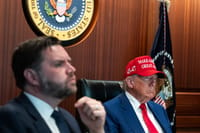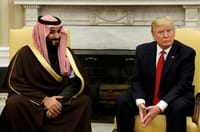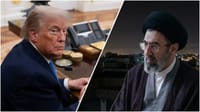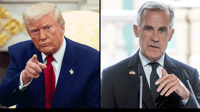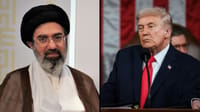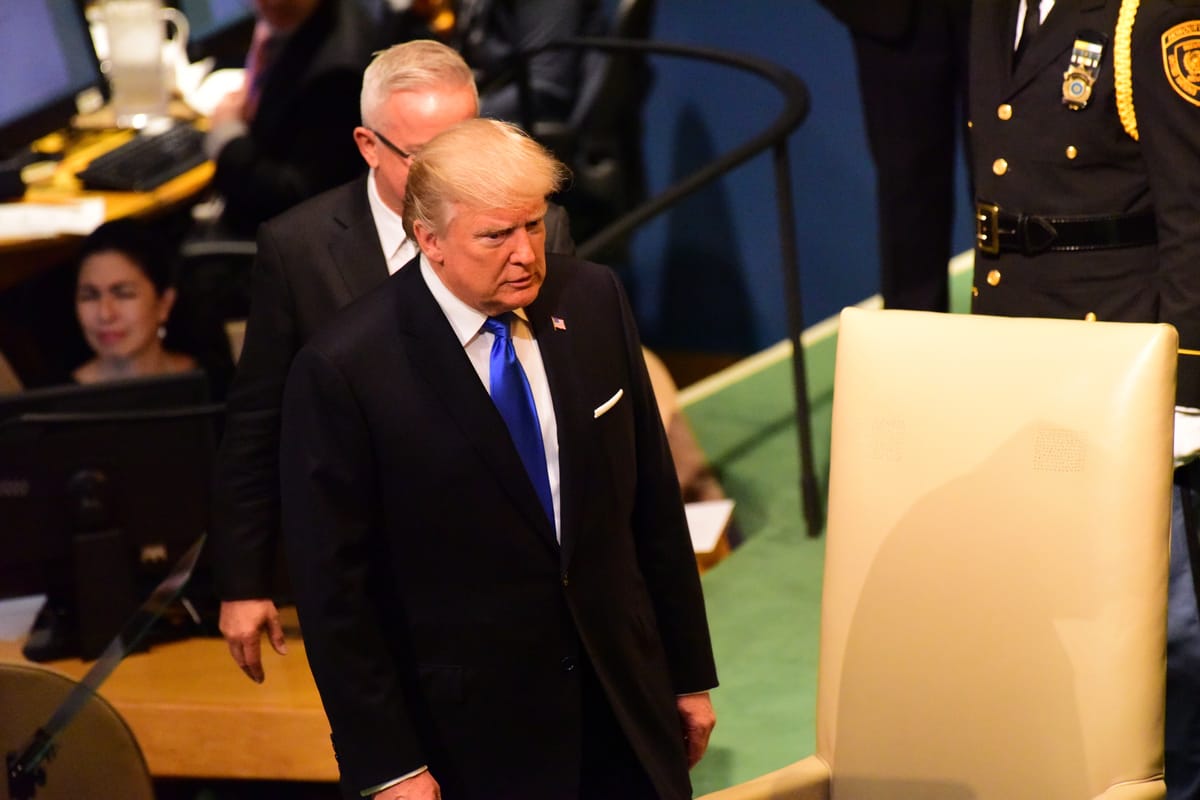
The complex diplomatic architecture governing international containment efforts has undergone a significant narrative adjustment following a series of high level declarations by the executive leadership of the United States. Speaking during a sequence of globally broadcast press engagements at the G7 summit, US President Donald Trump explicitly redefined his administration's expectations regarding ongoing frontline activities along the northern border zone. The sudden public clarification appears to mark a calculated departure from a sequence of recent diplomatic document leaks, offering a vital baseline for international observers trying to map out Western defense priorities as multi state peace negotiations continue behind closed doors.
The critical policy adjustments materialized during a joint diplomatic briefing where the American president stood alongside Indian Prime Minister Narendra Modi to address a broad assembly of global media representatives. When directly challenged by a prominent journalistic correspondent who inquired, "Do you want to see the cessation of fighting in Lebanon?" Trump forcefully rejected the notion of forcing a premature tactical retreat. The commander in chief explicitly clarified the administration's updated operational doctrine, responding, "No, I want Israel to be able to defend itself, but they need to use better judgment." This highly publicized statement provides a clear indication that while the White House will continue to support critical border fortification initiatives, it expects allied planning networks to modify their current choices.
The dramatic clarification serves as a powerful counterweight to an extensive series of intelligence leaks that have destabilized regional alliance networks over the past forty eight hours. Previous diplomatic reports, which included explicit public statements from the Prime Minister of Pakistan acting as a central intermediary, heavily indicated that the initial memorandum of understanding finalized between Washington and Tehran mandated an immediate, unconditional cessation of warfare across every active regional front. Crucially, those leaked documents suggested that the White House had consented to an enforced ending of frontline operations in Lebanon without securing the prior authorization or input of defense planners in Jerusalem.
By utilizing the global platform of the G7 summit to publically reject the mandatory halt of border operations, the American president has effectively walked back the most controversial components of the secret bilateral text. The updated narrative grants allied ground forces the necessary diplomatic breathing room to continue neutralizing immediate border threats while maintaining alignment with the broader stabilization initiatives currently being pushed by Western intermediaries. However, the explicit demand for enhanced tactical discretion signals that the White House is growing increasingly sensitive to high impact operations, warning defense executives that long term international backing remains contingent on the execution of more precise, calculated military maneuvers.