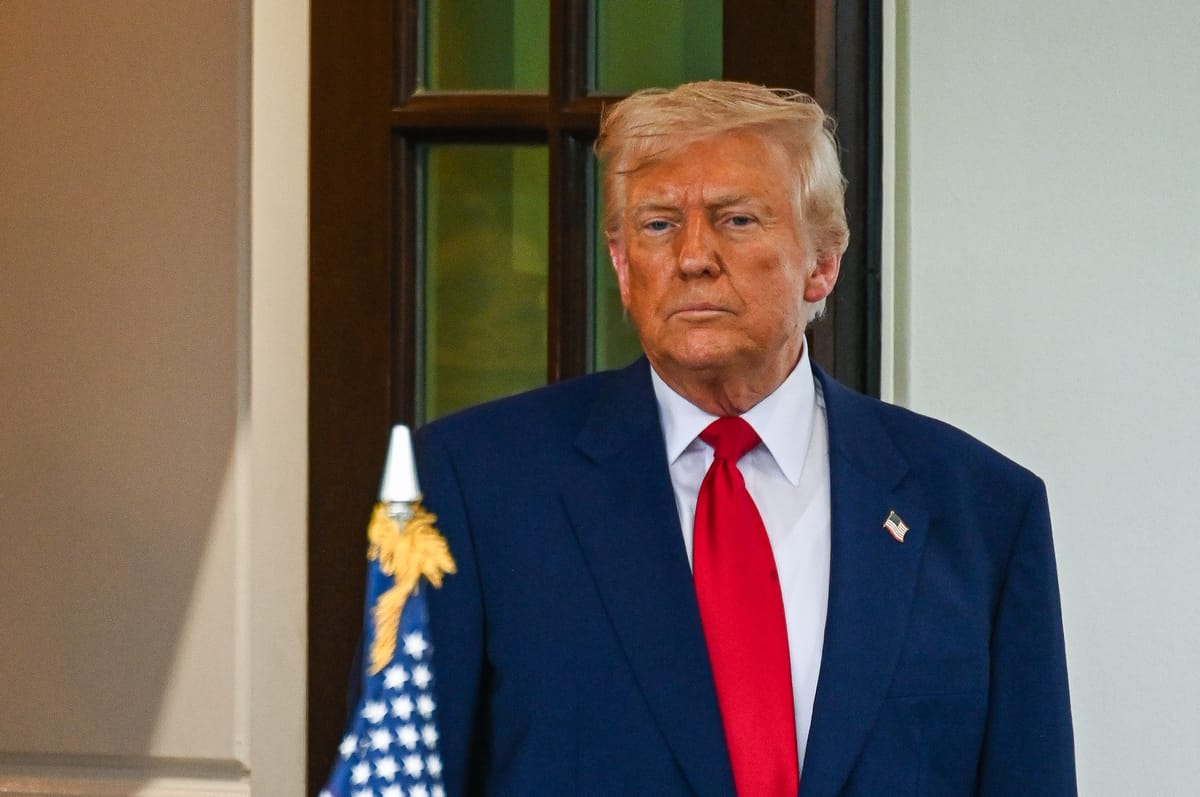
President Donald Trump has temporarily set aside plans for a military strike on Iran, directing his advisors to return to the drawing board with additional options after a key White House meeting failed to produce a final go-ahead. Senior American officials stressed that the decision is only deferred for now, with a strike remaining very much on the table and the president's finger still hovering over the button, ready to act if circumstances change.
In the past day, the administration has conducted a fresh assessment of the situation, debating the most effective course while trying to determine which military approach would deliver maximum impact. On Tuesday, Trump convened a discussion on Iran that ended without a specific action approved. He instructed his team to revisit planning and present more possibilities, suggesting several additional days will be needed before any operation could move forward.
A major concern raised during the meeting was the current shortage of sufficient American forces in the region for both offensive and defensive requirements. To address this, the aircraft carrier USS Abraham Lincoln has begun sailing from the South China Sea toward the Middle East, bolstering options for potential operations. Reinforcements are also underway in air defense systems across the area.
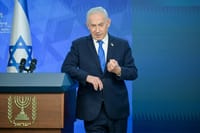
Daily consultations continue between the United States and Israel, including a third call in six days between Secretary of State Marco Rubio and Prime Minister Benjamin Netanyahu. Although the military path stays open, the delay has created space for diplomacy, but Trump has set an exceptionally high threshold. A source familiar with the details explained, "The Iranian regime will fall unless Supreme Leader Khamenei speaks directly with Trump. The president does not believe anyone else in Iran holds real authority to negotiate with the United States."
Behind the postponement lies a broader picture of regional and international pressures that Trump, who prefers to enter battles backed by a wide coalition of winners rather than isolated advisors, could not ignore. Leading Arab states, including Saudi Arabia, Qatar, and Oman, delivered clear warnings to Washington that an American strike risks igniting a full regional war, with Iran activating its proxy network against Gulf countries in ways they admit they could not sustain long-term. They also highlighted the danger of a sharp spike in energy prices that could plunge the recovering global economy back into crisis following Russia's war in Ukraine and lingering COVID effects.
Surprisingly, Israel has not pushed for immediate action either. Jerusalem conveyed significant reservations to Trump, first noting the complete loss of surprise after Iran reached peak readiness, making any meaningful blow to the regime or attempt to destabilize Khamenei far harder. Israeli assessments also indicate that the regime's violent suppression of protests is currently working in its favor, without yet reaching a breaking point that a single strike could shatter.
Pentagon leaders further recommended prioritizing force buildup in the region, completing broad military preparations, and postponing direct engagement until a later stage. White House spokesperson Karoline Leavitt reiterated that all options remain available, even if none are being executed at present.
From Trump's perspective, the pause delivers a perceptual victory. The cancellation of hundreds of planned executions in Iran allows him to portray himself as having aided protesters and saved lives without firing a shot. For the moment, that outcome satisfies him. In the coming period, expect consistent messaging: close monitoring continues, every option stays live, and Trump can point to Netanyahu and Gulf leaders as those who urged restraint while he prevented bloodshed in circumstances where he could have chosen otherwise. The situation remains fluid, with military reinforcements en route and diplomatic channels narrowly open only at the highest level.