
US immigration authorities will now be allowed to deny green card applications based on certain political expressions, including anti-Israel statements, according to new guidance reported by The New York Times.
Training materials distributed to Department of Homeland Security officers instruct them to treat “endorsing, promoting or supporting anti-American views” or “antisemitic terrorism, ideologies or groups” as strongly negative factors in evaluating applicants.
The materials include examples in which anti-Israel social media posts are categorized as potential indicators of antisemitism. These include messages calling to “stop Israeli terror,” images replacing Israel with “Palestine,” and statements suggesting Israelis should experience the conditions in Gaza.
Officers are also directed to pay particular attention to individuals involved in on-campus protests described as anti-American or antisemitic, and to escalate such cases to senior officials and legal teams within the agency.
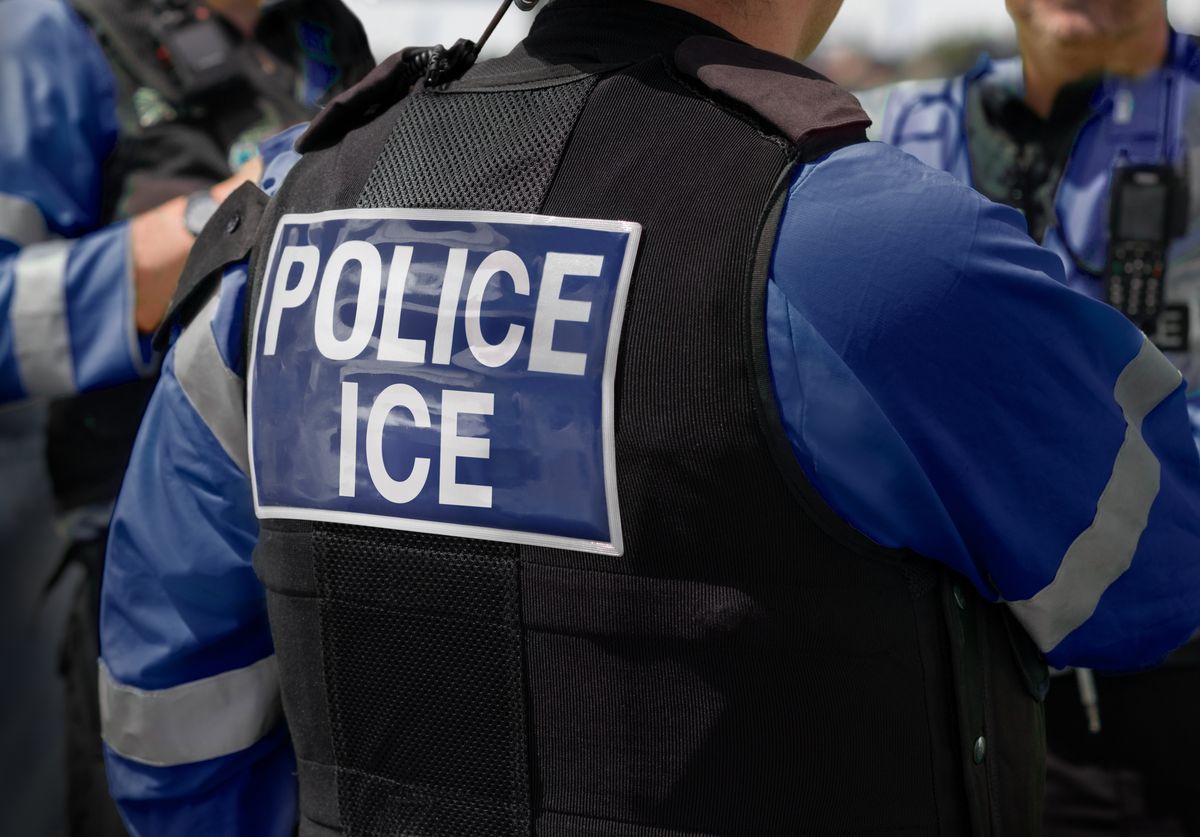
The policy is part of a broader shift in how immigration authorities assess applicants’ ideological positions. Job postings for immigration enforcement roles have reportedly begun referring to officers as “homeland defenders,” with language emphasizing the protection of national culture.
Additional examples flagged in the training materials include support for “subversive” ideologies, such as advocating the overthrow of the US government or burning the American flag, though such acts are protected forms of expression under US law.
The reported changes are likely to raise legal and political debate over the balance between national security screening and freedom of expression in the immigration process.