Tensions in the Middle East continue to escalate as Israeli leaders anticipate a possible US military operation against Iran, though assessments indicate any action will be limited in scope and unlikely to result in the fall of the Islamic Republic regime.
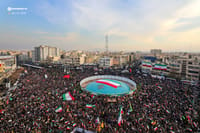
Prime Minister Benjamin Netanyahu convened a narrow security consultation Thursday evening, where discussions centered on the potential for American strikes amid ongoing buildup of US forces in the region. Israeli officials assess that President Donald Trump has shifted away from pursuing full regime change, concluding that no feasible military operation at this stage could achieve that outcome, particularly given the regime's success in suppressing widespread protests. A Trump post on Truth Social, combined with other indicators, reinforces this view in Jerusalem, where senior figures note that the president initially signaled interest in regime replacement but now appears convinced that current conditions prevent such a drastic result.
Israeli experts concur that a restricted, non-comprehensive, and possibly short-duration military action would fail to dismantle the regime. Consequently, they expect Trump, if he greenlights an operation, to concentrate on tangible physical targets, such as nuclear sites and potentially ballistic missile infrastructure, priorities that align with Israel's long-standing security concerns in any strike scenario. Should the United States proceed with these objectives, assessments suggest Iran would likely respond by launching attacks toward Israel, dramatically intensifying the situation, as Jerusalem would then counter with significant force.
Meanwhile, Saudi Arabia, Turkey, Qatar, and Oman are exerting heavy pressure to mediate between the United States and Iran in an effort to avert further escalation. Diplomatic channels appear blocked for now, yet Gulf states remain convinced that negotiation remains viable.
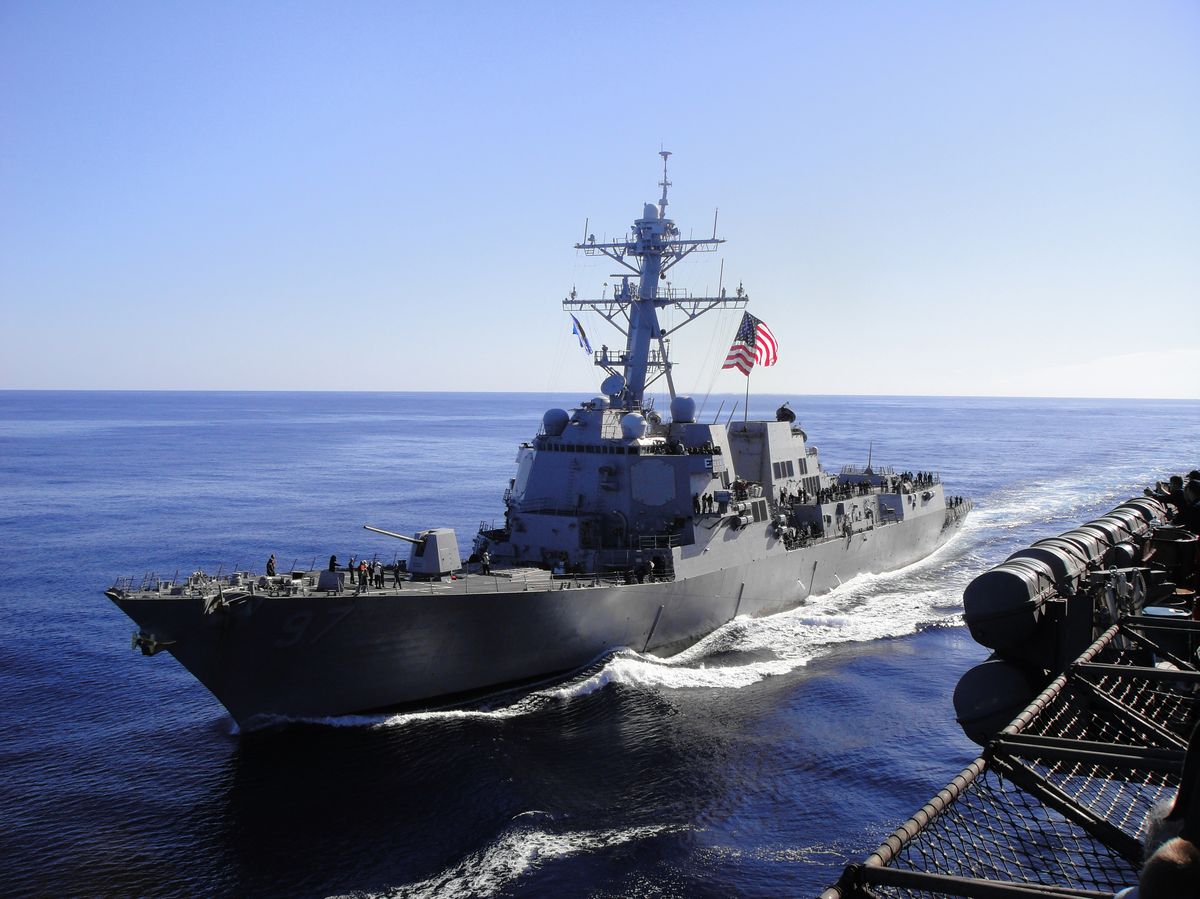
The United States has accelerated its military reinforcement in recent days, deploying an air defense battery to Jordan, additional aircraft including advanced reconnaissance planes, and conducting ongoing exercises across the Middle East. These moves, including the arrival of the USS Abraham Lincoln carrier strike group and surges of F-15E Strike Eagles to Jordan's Muwaffaq Salti Air Base, have led Israeli analysts to conclude that Washington has crossed the point of no return and is heading toward action against Iran. The exact scale of any potential strike remains unclear in Jerusalem.
Israel maintains high readiness for rapid deterioration, unwilling to take risks in the current volatile environment, though completion of the full US force accumulation may still require additional time. This buildup follows previous US strikes in June 2025 on three Iranian nuclear facilities during the brief Israel-Iran war, after which Trump has repeatedly warned of far more severe consequences if Iran rebuilds its capabilities or refuses negotiations on nuclear limits, ballistic missile restrictions, and proxy support. Trump's demands include a permanent end to uranium enrichment, curbs on missile ranges that threaten regional allies, and cessation of backing for groups like Hezbollah and the Houthis. Iran has rejected these preconditions, heightening the risk of confrontation.