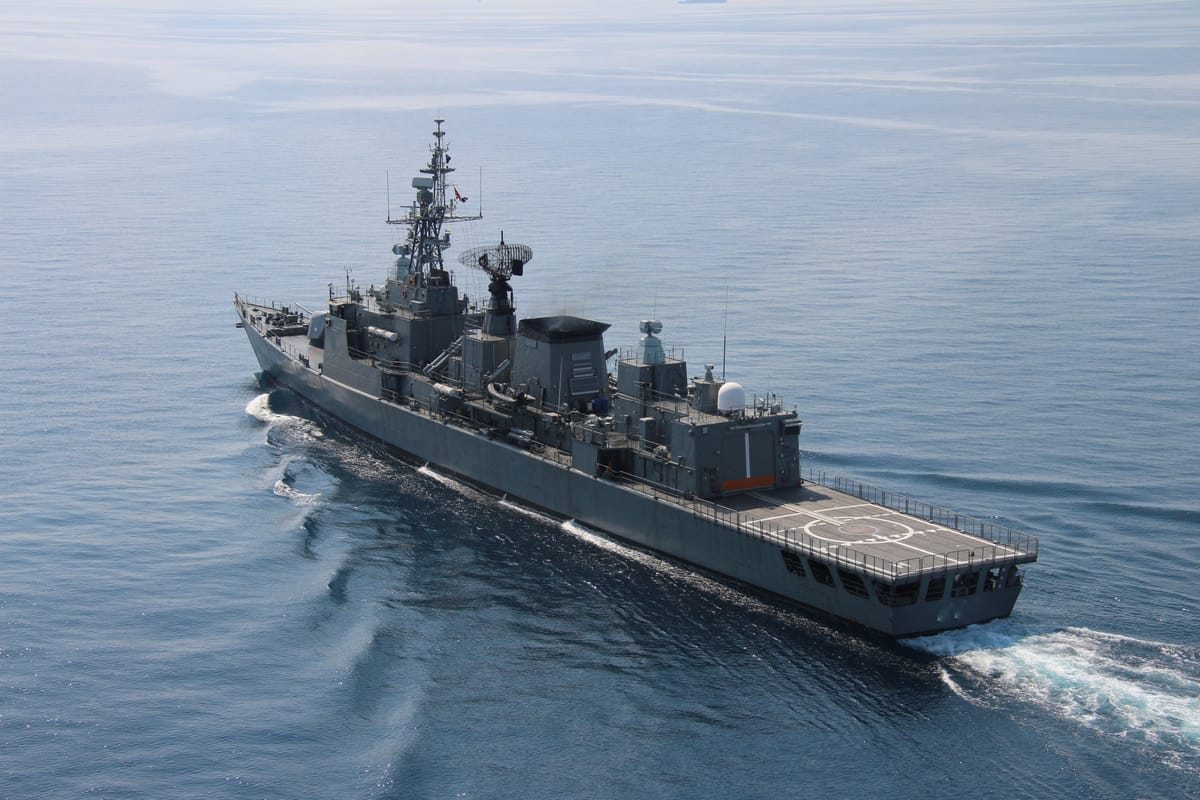
The Trump administration is expected to announce the formation of a powerful international coalition this week aimed at securing the Strait of Hormuz, one of the world's most critical oil transit routes. According to reports from the Wall Street Journal, the initiative is a direct response to repeated Iranian attempts to harass international shipping and block the passage of energy supplies. The coalition will be tasked with providing naval escorts and protection for commercial vessels as they navigate the narrow waters bordering Iran. Several nations have already agreed to join the American-led effort, signaling a unified global front against the Iranian regime’s attempts to use maritime trade as a weapon of war.
Protecting the Global Lifeblood
The Strait of Hormuz is considered a strategic "choke point" because a significant portion of the world's oil and liquefied natural gas passes through it daily. For years, Iranian forces have used their proximity to the strait to threaten global energy security, often seizing tankers or using drones to harass ships. The new coalition aims to put a permanent end to these disruptions by creating a constant naval presence. While several countries have committed to the project, discussions are still ongoing regarding exactly when the escort missions will begin. Some officials are pushing for an immediate start during the current war, while others suggest the full operation should wait until the current rounds of fighting in Iran have stabilized.
Strategic Implications for the War
The establishment of this naval alliance adds a new layer of pressure on the Iranian regime, which is already reeling from Israeli and American air strikes on its land-based assets. By securing the Strait of Hormuz, the coalition would effectively neutralize one of Iran’s few remaining "cards" for influencing the international community. Without the ability to threaten the global economy via an oil blockade, the regime’s leverage is significantly diminished. The White House has so far declined to comment officially on the report, but the move aligns with President Trump’s "maximum pressure" policy and his administration’s commitment to ensuring freedom of navigation for American and regional allies.