In a bold escalation amid Iran's crackdown on anti-government protests, U.S. President Donald Trump announced on January 12, 2026, that any nation conducting business with the Islamic Republic will face a 25% tariff on all trade with the United States.
The measure, described as "effective immediately" and "final and conclusive," targets secondary sanctions to isolate Iran economically without direct military action.
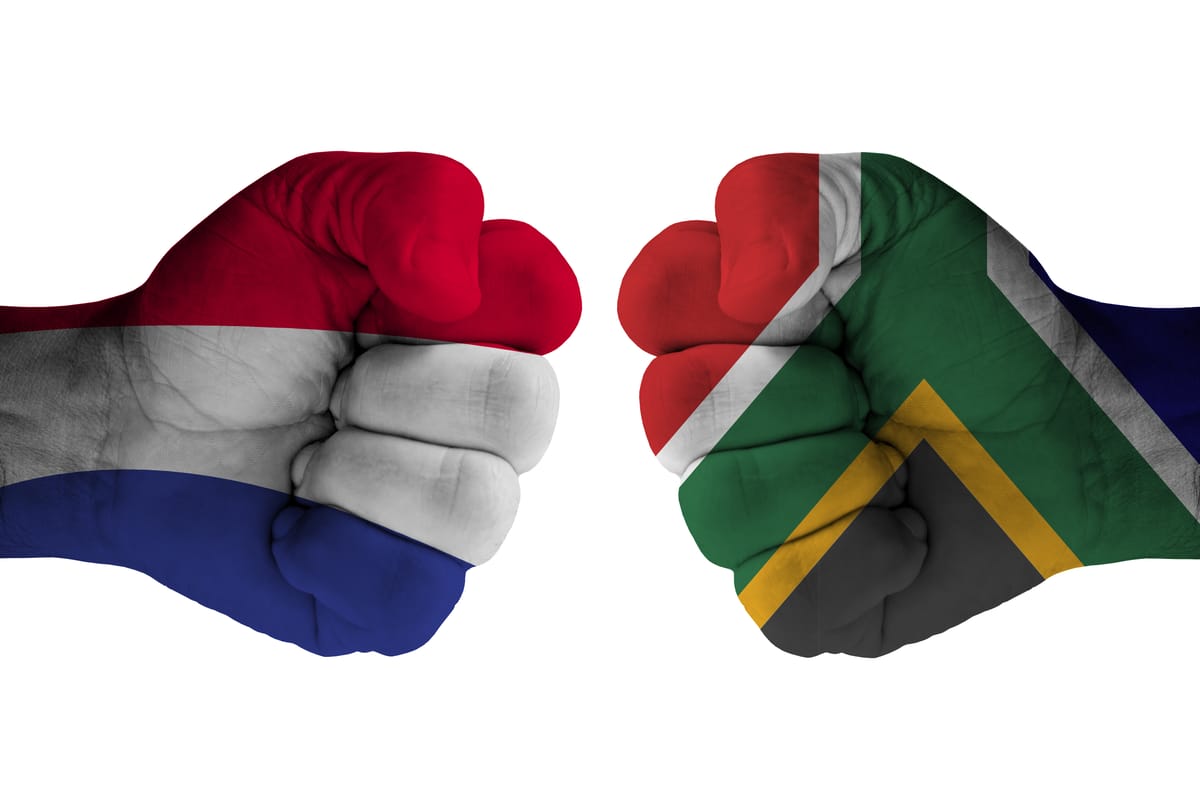
South Africa, with its diplomatic and trade ties to Tehran through BRICS and other alliances, now finds itself in the crosshairs, potentially facing severe repercussions for its exports and broader economy.
Trump's directive, posted on Truth Social, states: "Effective immediately, any Country doing business with the Islamic Republic of Iran will pay a Tariff of 25% on any and all business being done with the United States of America."
This secondary sanction aims to punish Iran's trading partners, pressuring them to sever ties with Tehran amid protests that have resulted in thousands of deaths.
Experts view it as a non-military strategy to enforce global compliance, similar to past U.S. actions against adversaries.
The tariff applies to imports from affected countries into the U.S., making their goods 25% more expensive for American buyers.
cnn.com
Major Iranian trading partners like China, India, Turkey, the UAE, and Brazil could see significant impacts, with potential ripple effects on global supply chains.
For African nations, including South Africa, Nigeria, Kenya, Ghana, Tanzania, and Somalia, the levy could exacerbate existing economic pressures.
South Africa is particularly vulnerable due to its alignment with Iran. As a BRICS member, Pretoria has defended Tehran diplomatically, supported its positions at the United Nations, and maintained trade relations.
South African exports to the U.S.—valued at billions annually—include automobiles, citrus fruits, wine, minerals, steel, and chemicals.
A 25% tariff could render these products uncompetitive, leading U.S. buyers to source elsewhere.
Analysts warn of immediate consequences: factory closures, job losses in export-dependent sectors, reduced port activity, and a depreciating rand.
Beyond the tariff, secondary effects could include restricted access to U.S. banks, higher insurance rates, and fleeing foreign investment.
The African National Congress (ANC) government's foreign policy, which has aligned South Africa with Iran, Russia, and groups like Hamas, is now under scrutiny for prioritizing ideology over economic stability.
This move underscores the U.S.'s use of economic leverage in foreign policy, with South Africa now navigating a precarious balance between its alliances and economic survival.