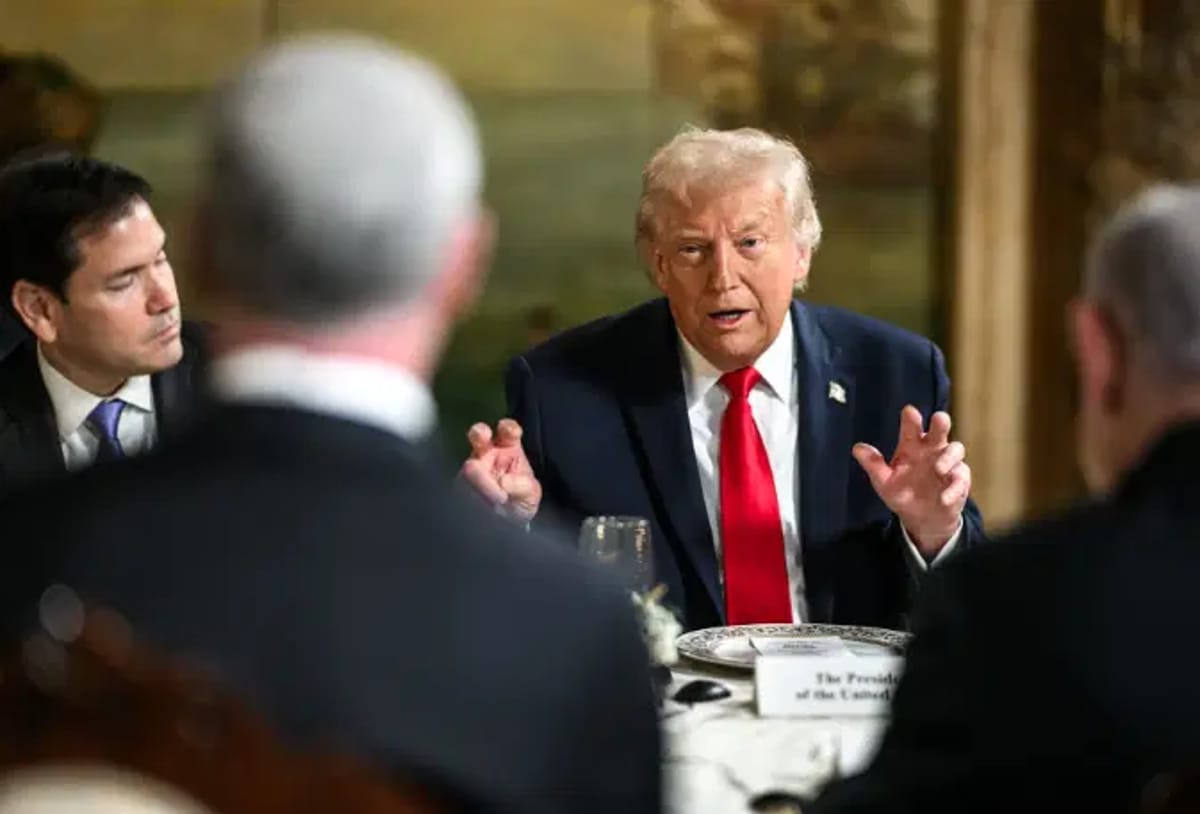
A massive diplomatic offensive launched by Washington has significantly intensified pressure on Middle Eastern governments to halt ongoing military operations, revealing deep strategic fissures between the United States and its closest regional allies. US President Donald Trump issued a public directive calling for a total, multi front cessation of hostilities, explicitly including active battle zones along the northern Israeli border. This coordinated executive push aims to shield delicate multilateral negotiations with the Iranian leadership from regional disruptions, even as local commanders on the ground vow to maintain their defensive positions to protect civilian communities.
The American head of state utilized his social media platform to clarify his immediate expectations, linking global market stability to the success of the ongoing diplomatic initiatives. Trump noted that corporate markets have reacted very favorably to the current diplomatic track, highlighting falling energy costs and sharp increases in global stock indexes as direct results of the negotiations. Expressing his vision for an immediate resolution, the president stated that the administration expects a full ceasefire on all fronts, including in Lebanon, between Hezbollah and Israel, urging all regional actors to allow the talks with Iran to develop beautifully.
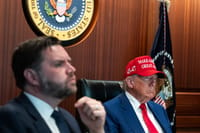
This executive directive follows an extraordinarily blunt public warning delivered by Vice President J.D. Vance, who targeted right wing members of the Israeli security cabinet who have openly criticized the diplomatic framework. Speaking at a press conference, Vance expressed intense irritation with local ministers who have attacked the president, reminding them that Washington provides the vital defensive ordnance keeping the country secure. Vance stated that it bothers him that people in the cabinet have attacked the deal and Trump, adding that the president is the only one empathetic to them right now in the whole world. The vice president warned the ministers not to anger the last person who has a good relationship with their leadership, noting that most defensive ammunition was manufactured in America and paid for by taxpayers, concluding that their country was built from American money.
In response to this immense pressure, Prime Minister Benjamin Netanyahu released a calculated statement asserting Israel's sovereign right to determine its own security boundaries. The prime minister made it clear that defense forces will remain firmly entrenched within the designated security belt in southern Lebanon, rejecting demands for an immediate, unconditional withdrawal. Netanyahu explained that protecting the northern border requires holding this strategic zone to separate Hezbollah terrorists from northern border communities, stating that the current defense challenges require cool heads, firm standing on security interests, and the simultaneous preservation of the vital bond with American friends.
Meanwhile, Lebanese Parliament Speaker Nabih Berri signaled that regional networks are prepared to comply with the American framework under highly specific conditions. Berri, who also leads the Shiite Amal movement, announced that Lebanon is fully committed to a truce, confirming that Hezbollah will adhere to the cessation of hostilities provided that Israel respects it fully and comprehensively. The legislative leader framed this compliance as a direct effort to support the active negotiations taking place between American and Iranian delegations in Switzerland, with special emphasis on fulfilling the initial clause of the bilateral memorandum of understanding.
Simultaneously, the internal political dynamics within the Islamic Republic surfaced as Supreme Leader Mojtaba Khamenei addressed the diplomatic text publicly for the first time, characterizing the accord as a product of American vulnerability. Khamenei revealed that he initially opposed the memorandum, but was ultimately persuaded to grant his authorization by the Iranian president, who accepted full personal responsibility for safeguarding national rights and the regional resistance front. The supreme leader claimed that the American president used various levers out of distress to advance the matter, but warned that his government will never capitulate if the American side attempts to make excessive demands during upcoming implementation phases.