Is The World Cup 2026 Becoming the Most Expensive Campaign Trail in History?
With an estimated cost of tens of billions of dollars, the U.S. administration deploys massive branding, exclusive ad campaigns, and an iconic halftime show featuring Shakira and Madonna as part of the buildup for Trump's midterm elections
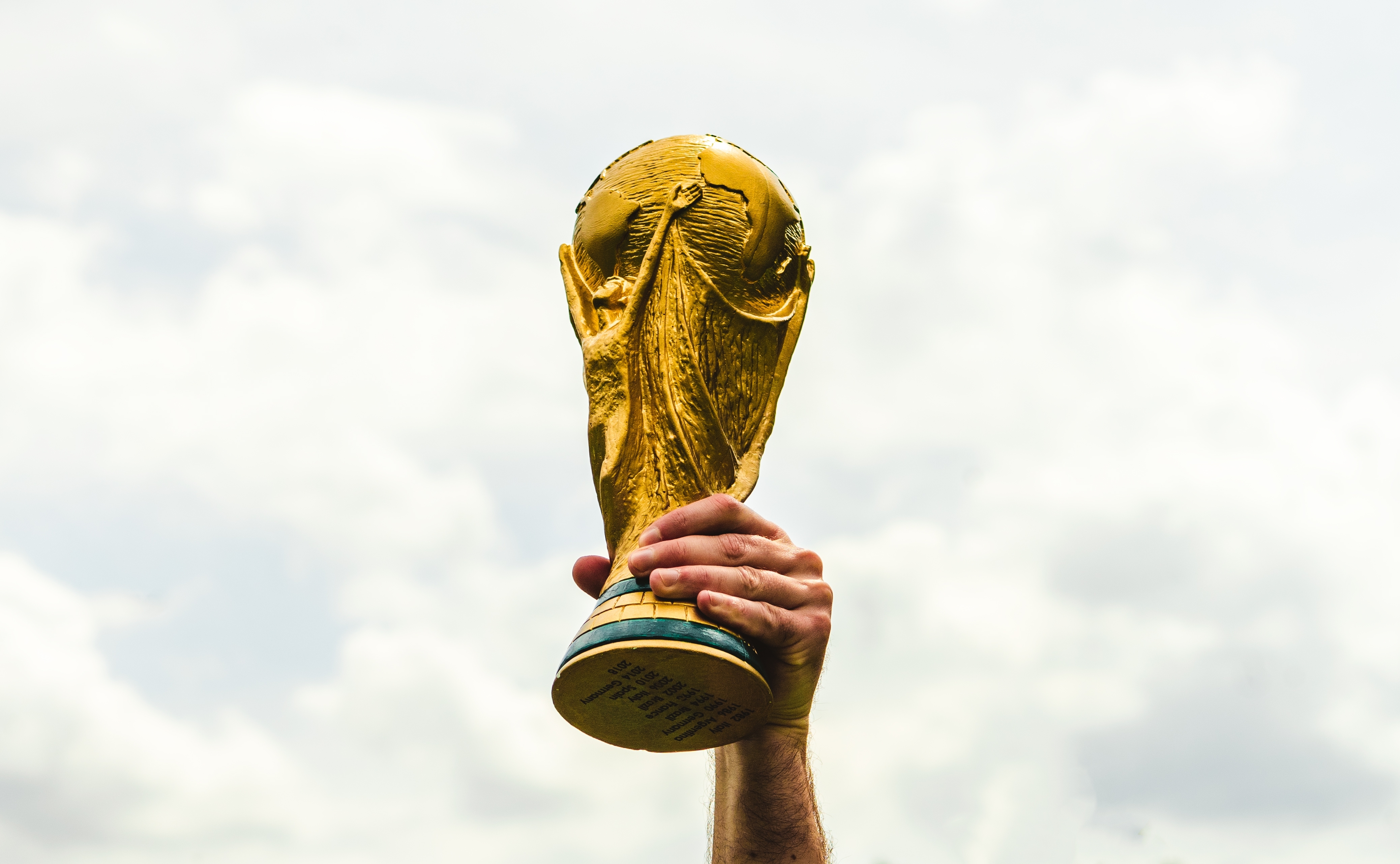
FIFA World Cup 2026, is rapidly turning into far more than a global sporting event. For President Donald Trump, it has become a highly calculated, lavishly produced prelude to the midterm elections.
The tournament fits seamlessly into his political vision and broader geopolitical strategy. For Trump, the event is a massive stage for "Americanization and hyper-capitalism," designed to serve as a worldwide advertisement for American success and dominance, perfectly integrated into the national celebrations marking the 250th anniversary of U.S. independence.
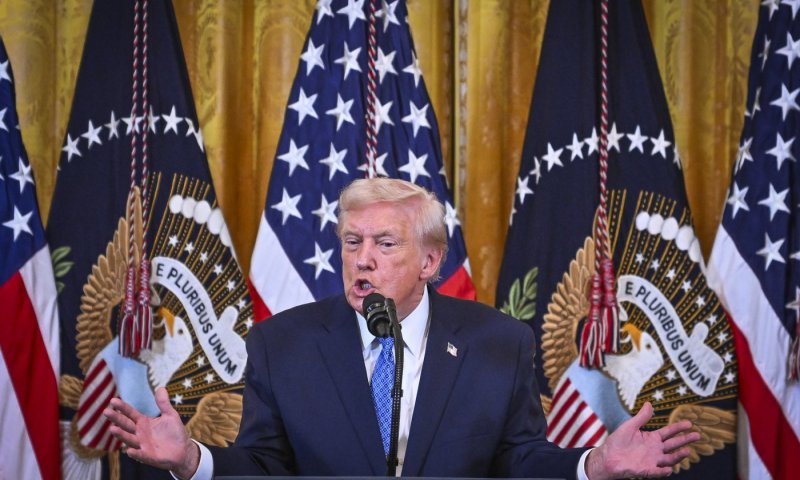
America is Great Again and Open for Business
To ensure total federal control over the influx of millions of international tourists, the administration has established a specialized security task force directly headed by Trump himself.
This move allows the government to enforce strict immigration policies on visiting athletes and fans alike. Despite travel disruptions at airports due to a partial federal government shutdown, the tournament operates as an immense financial engine expected to inject tens of billions of dollars into the domestic economy.
Under his "America First" doctrine, the joint hosting agreement with Canada and Mexico is being fully leveraged to maximize American interests, securing a distinct economic victory for the domestic market.
In recent months, it has become clear that Trump has suddenly discovered the political power of football, weaving it directly into his public schedule. He has been spotted at highly publicized events alongside FIFA President Gianni Infantino, who even presented him with a specially created "Peace Award," and recently hosted football icon Lionel Messi and the Inter Miami squad at the White House. However, these festive gatherings are unfolding against an incredibly tense security backdrop.
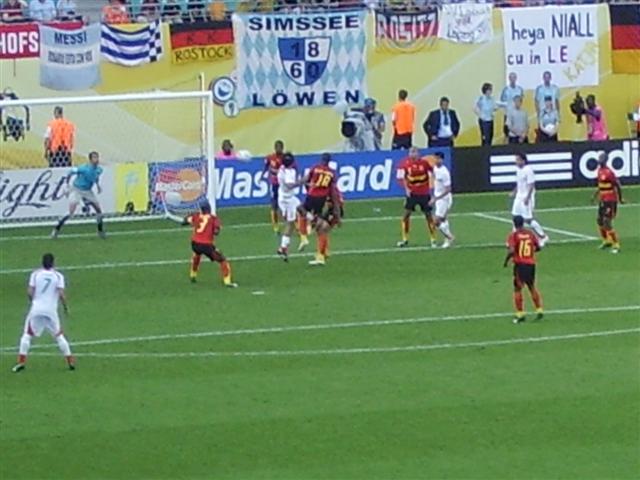
The Complicated Iranian Connection
During White House discussions, Trump casually referred to nations currently on his military or diplomatic radar, such as Iran and Venezuela, as "countries that love football." The geopolitical strain is hitting the pitch directly.
The Iranian team, drawn into Group G, faces major uncertainty ahead of the tournament due to visa issuance complications and unprecedented diplomatic friction.
Although Trump publicly declared that the Iranian squad is "welcome," he accompanied the statement with a pointed, unsettling remark regarding the safety of their players on U.S. soil. Meanwhile, fans from numerous countries are grappling with flight bans and severe entry restrictions imposed by the administration.
Compounding the crisis, a dramatic escalation in hostilities is unfolding between the two nations. Following the recent downing of a U.S. helicopter over the Strait of Hormuz, American and Israeli forces launched extensive retaliatory bombing campaigns and massive airstrikes inside Iran. This rapid military escalation threatens to push security anxieties to an all-time high during the World Cup, casting significant doubt over whether the Iranian national team will be able to remain and participate until the end of the tournament.