Once an antisemite, always an antisemite
Mamdani Attacks New York's Jews on His Very First Day in Office
Why yes, Zohran is wasting no time making life unbearable for New York Jews, even doing a full-on Nazi salute. What can we even say? You asked for this and now you got it. And if you didn't vote him, open your eyes and get out, now.

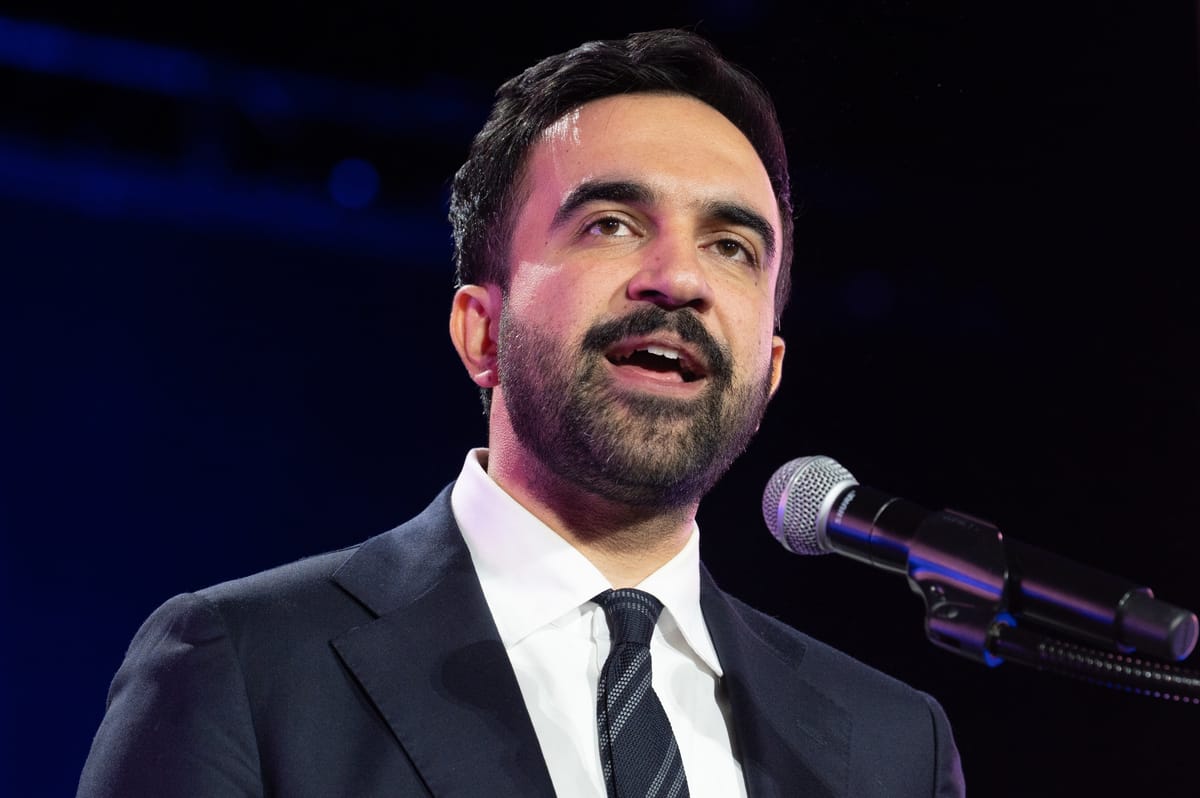
Zohran Mamdani, New York City's first Muslim and South Asian mayor, began his term on January 1 with a series of executive actions that have ignited fierce controversy, particularly among Jewish leaders and pro-Israel groups. He signed an order revoking all executive actions issued by his predecessor, Eric Adams, after Adams' September 2024 federal indictment.
This broad stroke nullified several policies related to Israel, protests, and antisemitism, prompting accusations from critics that Mamdani's moves amount to "active antisemitism" and endanger the city's large Jewish population.
Key Actions on Day One and the Backlash
Mamdani's inaugural day was marked by a midnight swearing-in ceremony in the historic Old City Hall subway station, followed by a public event at City Hall where he was sworn in by Senator Bernie Sanders using a Quran, a first for any New York mayor.
In his speech, he emphasized inclusivity, pledging to build a city that "protects, celebrates, and cherishes" its diverse communities, including Jewish and Palestinian New Yorkers.
However, his first major policy decision, the blanket revocation, directly impacted measures seen as safeguards for Jewish residents.
Revoking the Anti-BDS Order: Adams had barred city agencies from engaging in Boycott, Divestment, and Sanctions (BDS) activities against Israel. Mamdani's action lifted this, aligning with his longstanding support for BDS, which he has called "consistent with the core of my politics."
Critics, including the Anti-Defamation League (ADL) and Zionist organizations, argue this enables economic targeting of Israel and signals tolerance for antisemitism. Mamdani has defended BDS as a nonviolent tool for Palestinian rights, not hatred of Jews, but anyone with two eyes and half a brain knows excatly what he thinks about Jews and about Israel.
Ending Protest Restrictions Near Synagogues: An Adams-era directive instructed the NYPD to evaluate and potentially restrict protests outside houses of worship, such as buffer zones during services, following incidents like a 2025 demonstration near a synagogue.
By revoking this, Mamdani has drawn ire from those who say it allows harassment of Jewish congregants. Supporters, including civil liberties groups like the New York Civil Liberties Union, praise it as protecting free speech.
Scrapping the IHRA Definition of Antisemitism: Adams adopted the International Holocaust Remembrance Alliance (IHRA) definition, which includes certain criticisms of Israel as potentially antisemitic. Mamdani eliminated it, citing free speech concerns and echoing his past statements that "anti-Zionism is not antisemitism."
Jewish advocacy groups like the ADL have condemned this as weakening tools to combat hate.
These moves have fueled claims that Mamdani is "actively antisemitic," with social media posts and commentators labeling them as "declaring open season on Jews" or predicting increased violence. For instance, the group StopAntisemitism highlighted the changes as removing protections for NYC's Jewish community, the largest outside Israel.
Mamdani's critics point to his past rhetoric, including calling Israel an "apartheid state" and supporting phrases like "globalize the intifada," which some interpret as calls for violence against Jews.He has consistently rejected these accusations, emphasizing his commitment to fighting all forms of hate and distinguishing criticism of Israeli policies from antisemitism.
Notably, Mamdani retained the Mayor's Office to Combat Antisemitism, created under Adams, and has met with Jewish leaders during his transition. Some anti-Zionist Jewish groups, like the Satmar Hasidim, have supported him, viewing his stance as promoting equity.
What Lies Ahead for New York's Jewish Community?
With NYC home to over 1.3 million Jews, Mamdani's term raises questions about safety and inclusion amid rising antisemitic incidents nationwide. Optimists point to his pledges for dialogue and protection, noting his administration's focus on housing affordability, free public transit, and social justice, policies that could benefit all residents, including Jewish New Yorkers.
Progressive voices, including Rep. Alexandria Ocasio-Cortez, hail it as a "new era" for equity.
Pessimists, however, foresee challenges:
Increased Protests and Tensions: Without prior restrictions, pro-Palestinian demonstrations near synagogues could escalate, as seen in past incidents.
Economic and Policy Shifts: Plans to divest from Israel-linked companies could strain ties with Jewish and Israeli-American businesses.
Federal and Legal Battles: Under President Trump, threats of funding cuts loom, potentially exacerbating city divisions.
Community Polarization: While some Jewish groups engage with Mamdani, others plan advocacy to codify protections like IHRA into law.
Experts like AJC's Josh Kramer stress the need for monitoring, urging Mamdani to unequivocally combat hate.
As one analyst noted, "This isn't about one day; it's about sustaining trust over four years."
Trust? NY's Jews will be lucky to survive the next four years unscathed. It's time to consider leaving NYC, seriously. For anyone still wondering, just look at hime doing Hitler's salute. NY's loss is Florida's gain.