A series of new Israeli communities are expected to be established in the Binyamin region in the coming months, in what local leaders are describing as one of the most significant settlement moves in the area in decades.
According to the Binyamin Regional Council, the plan is based on a recent decision by the political-security cabinet to establish and legalize new communities in Judea and Samaria. The council says the process is expected to move forward before the upcoming election period, with roughly half of the new communities planned for western Binyamin.
The new communities are expected to be built in two strategic areas: the western mountain ridge of Binyamin, which connects the Jerusalem area to central Israel, and eastern Binyamin, near the open frontier areas overlooking the Jordan Valley.
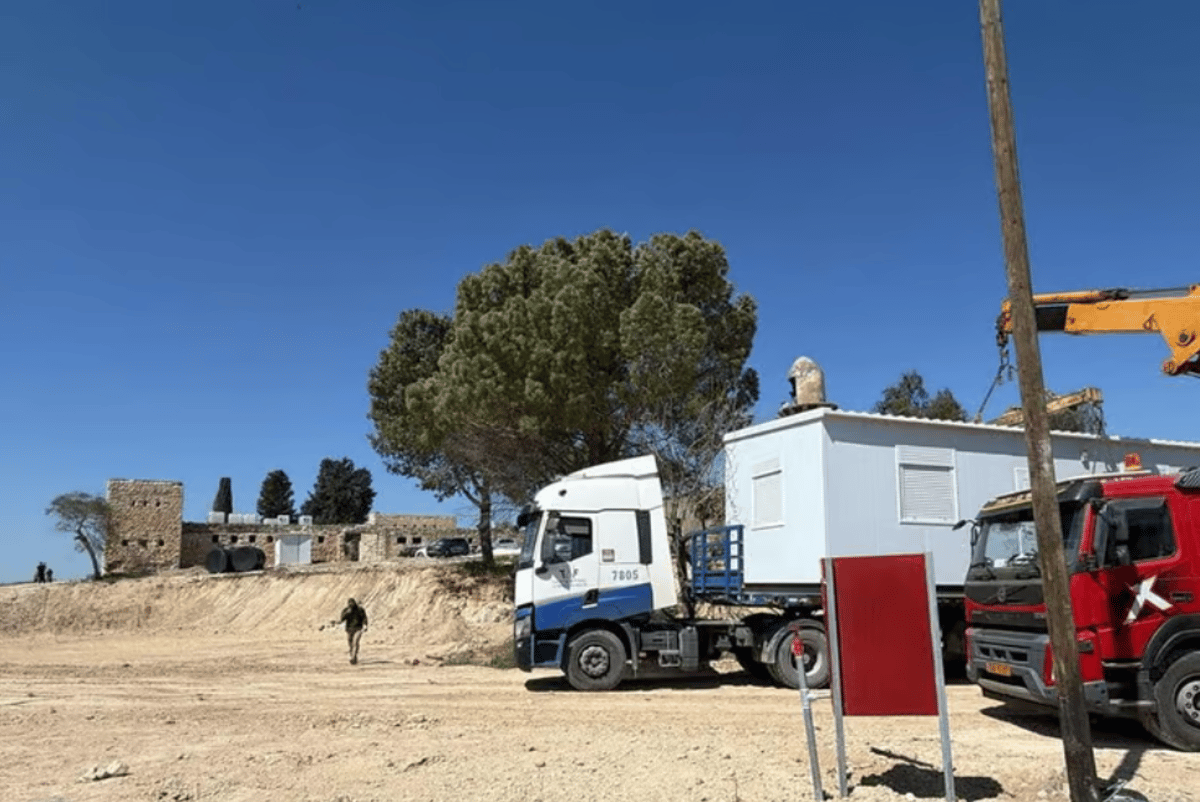
They will join Maoz Tzur, a community established several months ago in the area connecting Route 443 with the Talmonim bloc.
Council officials say the timing is meant to take advantage of the current diplomatic window and create permanent facts on the ground. They argue that strengthening civilian life in both western and eastern Binyamin is essential for Israel’s long-term security, regardless of future political changes.
For years, large areas in eastern and western Binyamin remained without a permanent Jewish presence. According to the council, the Palestinian Authority recognized the strategic value of these areas and worked to build illegally in order to restrict Israeli movement in the west and create a hostile territorial continuum in the east.
The council says the cabinet decision is a Zionist response to that challenge, aimed at restoring Israeli presence in key strategic areas and securing control over Route 443 and major national transportation arteries.
Israel Ganz, head of the Binyamin Regional Council and chairman of the Yesha Council, said the new communities are part of a broad effort to deepen Israel’s hold on the heartland of the country.
“We are leading, together with the government and the cabinet, a first-rate settlement initiative,” Ganz said. “From the western seam line to the eastern spaces overlooking the Jordan Valley, we are building communities and bringing life to the heart of the land.”
Ganz argued that the security equation is clear: either Israel strengthens its communities in these areas, or hostile forces backed by Ramallah and Iran will gain control of hills overlooking Ben Gurion Airport and central Israel.
“This summer, when millions of Israelis fly out of Ben Gurion Airport, they will be able to look down and know that there is a strong human chain on the ground protecting them,” Ganz said.
He added that the council is not waiting for future political developments, but is moving now to implement what he called the Zionist vision on the ground.
“This historic move is possible because of the deep partnership and backing we are receiving from the political leadership,” Ganz said.