Southern Lebanon Operations

IDF Pushes for Expanded Lebanon Operation as Drone Threat Intensifies

Israel is facing a new stage in Southern Lebanon

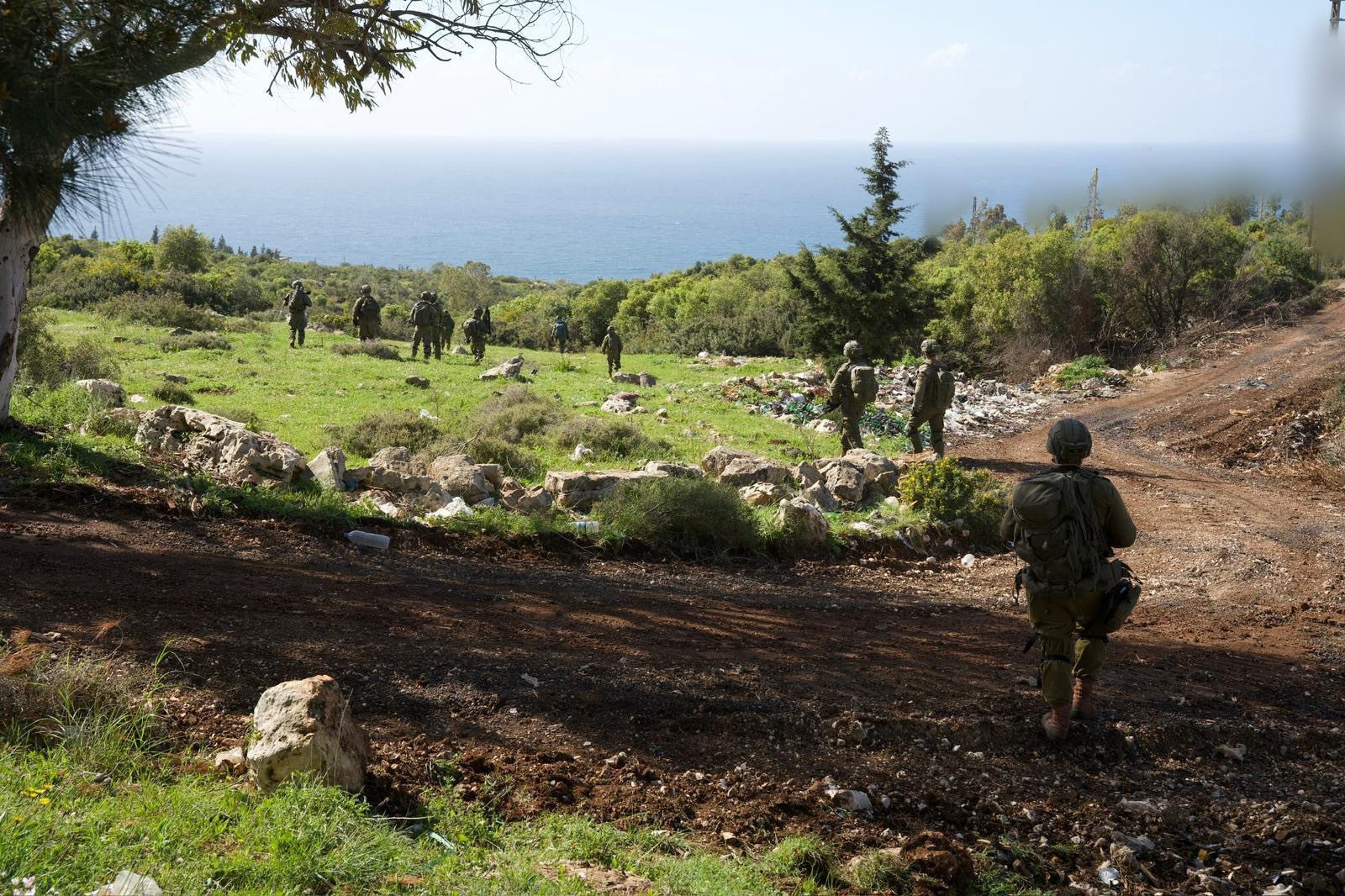
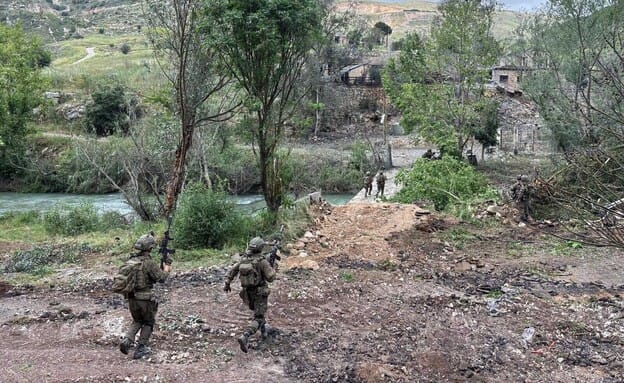
IDF soldiers operate in South Lebanon
IDF soldiers operate in South Lebanon (Photo: IDF Spokesperson)

Senior military officials are increasingly convinced that Israel is approaching a critical juncture in southern Lebanon, where the political echelon may soon authorize a significant expansion of ground operations designed to push Hezbollah's drone operators farther north toward Beirut. The assessment comes as IDF forces grapple with sophisticated fiber-optic drone attacks that have left multiple soldiers wounded, including a prominent brigade commander fighting for his life.

The urgency of the situation crystallized following a devastating strike that critically wounded Colonel Meir Biderman, commander of the 401st Brigade. According to military sources, Biderman had entered what was designated as a secured structure in southern Lebanon to rest when Hezbollah executed a precision drone attack on the building. Intelligence assessments suggest the terrorist organization successfully gathered operational intelligence, tracked IDF movements in the area, identified the commander's location, and then launched the strike.
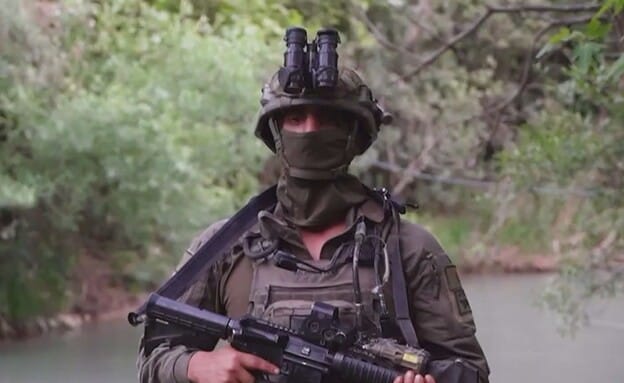
Biderman remains in critical condition, sedated and on a ventilator following emergency surgery to remove shrapnel from his head. The attack underscores the extreme vulnerability of Israeli forces operating in static positions within range of Hezbollah's advanced drone capabilities.

The drone threat escalated further when additional attacks left a female combat soldier critically wounded, an officer moderately injured, and several other soldiers sustaining various degrees of wounds. Medical evacuation teams deployed heavy transport helicopters to extract the wounded from the battlefield, while tactical units notified affected families.

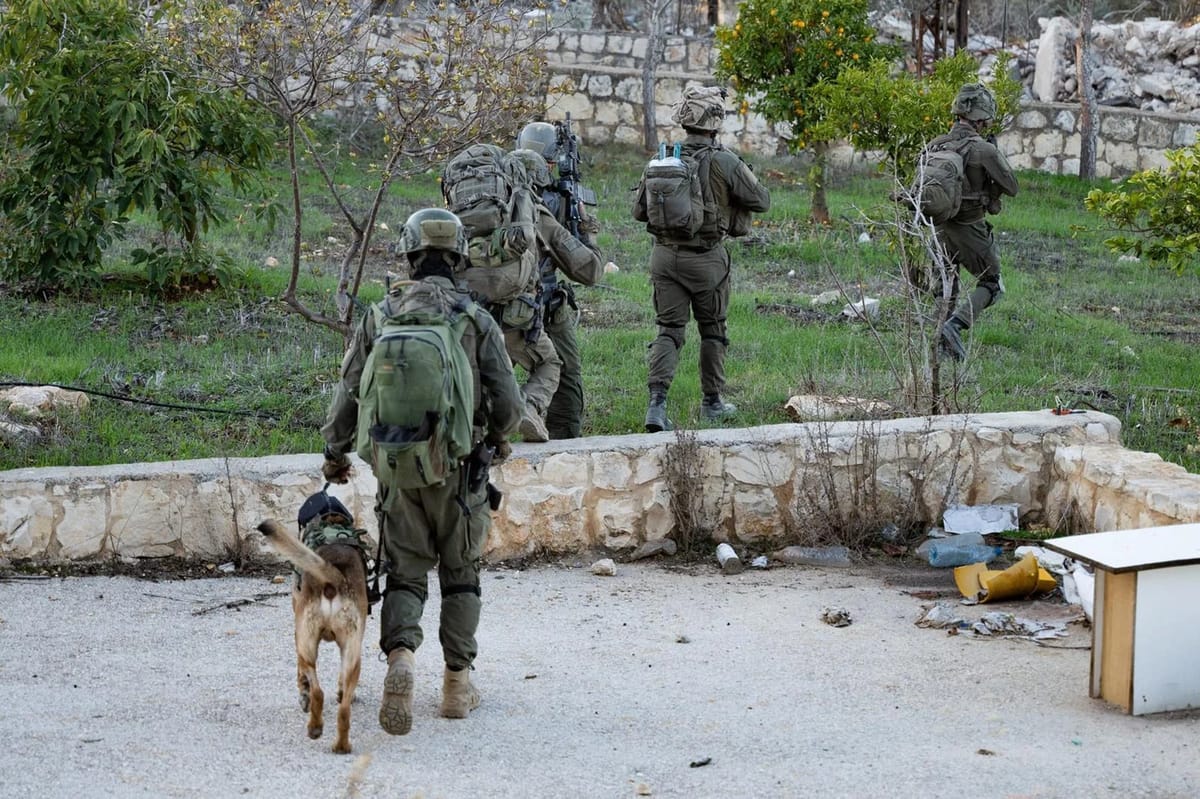
IDF forces in Lebanon
IDF forces in Lebanon (photo: IDF Spokesperson Unit)

The Fiber-Optic Challenge

Following direct orders from Northern Command chief Major General Rafi Milo, the IDF has conducted comprehensive operational reviews, sharpened tactical protocols, and reinforced specific areas with enhanced defensive systems. New anti-drone technologies have received expedited approval for field deployment, while detection networks have been strengthened across vulnerable sectors.

Senior officers acknowledged that the current operational environment presents extraordinary challenges for ground forces. Extended deployments in fixed positions while facing Hezbollah's fiber-optic drones—which are exceptionally difficult to detect and intercept—creates what military planners describe as a severe operational dilemma. Unlike radio-controlled drones, fiber-optic variants maintain hardwired connections that render them virtually invisible to conventional electronic warfare systems.

"The situation on the ground is extremely challenging for our forces," one senior officer stated, speaking on condition of anonymity. "Remaining in the same operational sector for extended periods while the enemy deploys fiber-optic drones represents a significant tactical problem."

IDF forces in Lebanon
IDF forces in Lebanon (photo: IDF Spokesperson Unit)

The Case for Expansion

Military commanders are now making an increasingly forceful argument that expanding the ground maneuver northward would fundamentally alter the tactical equation. By conducting point-to-point operations that progressively expand IDF-controlled territory and force Hezbollah operatives back toward Beirut, Israeli forces could significantly reduce casualties from suicide drone attacks.

The proposed expansion would push Israeli operations beyond the current Yellow Line demarcation toward the Litani River and potentially into the commanding ridgelines that dominate the broader operational area. Senior officers believe this approach would create greater standoff distance from Hezbollah's drone launch sites while enabling more dynamic force positioning that complicates enemy targeting.

"The assessment among top IDF commanders is that the moment when the political leadership decides to change policy and authorize expanded operations against Hezbollah in the zone between the Yellow Line and the Litani River—and even into the commanding ridges beyond—is drawing closer," one military source noted.

IDF soldiers operate in Lebanon (Illustrative only)
IDF soldiers operate in Lebanon (Illustrative only) (Photo: IDF Spokesperson)

The military's position comes as Israel and Lebanon recently agreed to a 45-day extension of their fragile ceasefire arrangement, brokered through intensive American mediation. However, the agreement has done little to halt Hezbollah's ongoing attacks on Israeli forces operating in southern Lebanon, with multiple soldiers killed since the nominal ceasefire took effect.

The debate over expanding operations reflects broader tensions within Israel's security establishment about how to achieve sustainable security along the northern border. While some officials advocate for aggressive ground maneuvers to establish facts on the ground, others warn of the potential costs and complications of deeper involvement in Lebanese territory.

For now, IDF forces continue refining their defensive posture while senior commanders make their case to the political leadership that the time has come to shift from a defensive to an offensive operational framework in southern Lebanon.

Ready for more?

Join our newsletter to receive updates on new articles and exclusive content.

We respect your privacy and will never share your information.