Get our mobile app
Download on the App StoreGet it on Google Play

Tehran's terms

Rezaee: No US Talks Until Iran's Terms Are Met

Mohsen Rezaee told Asim Munir that Iran's enriched nuclear material will stay in the country, and Parliament Speaker Mohammad Ghalibaf accused Washington of violating a memorandum of understanding.

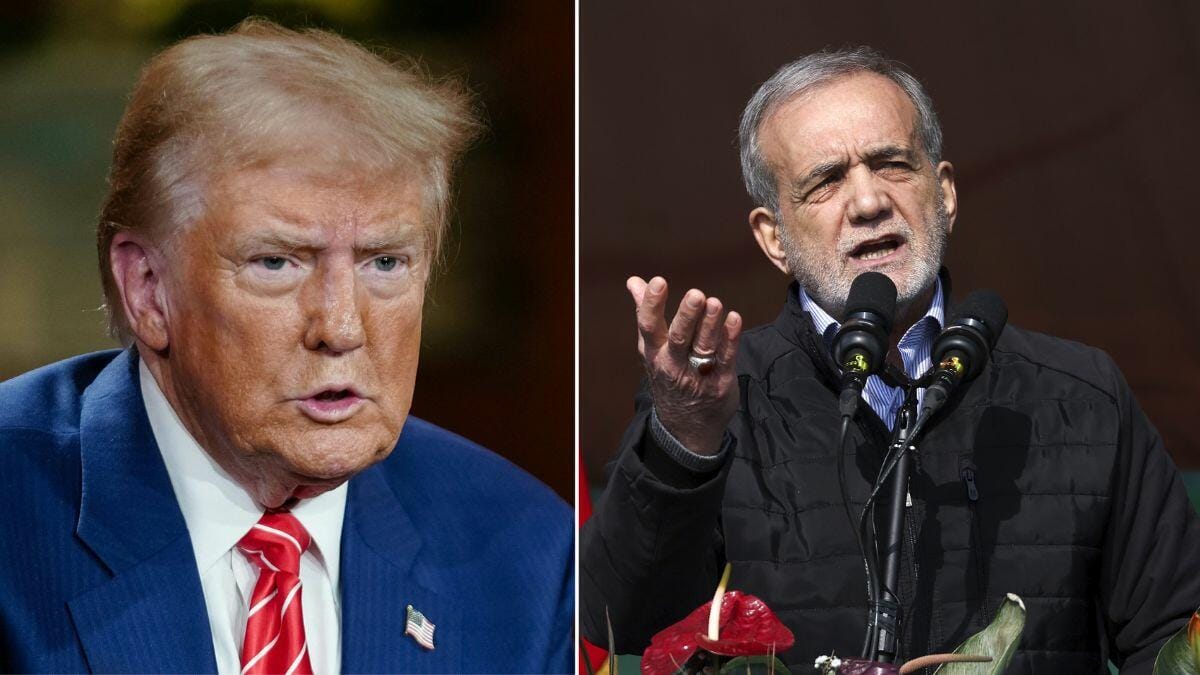
Donald Trump & Masoud Pezeshkian, file images

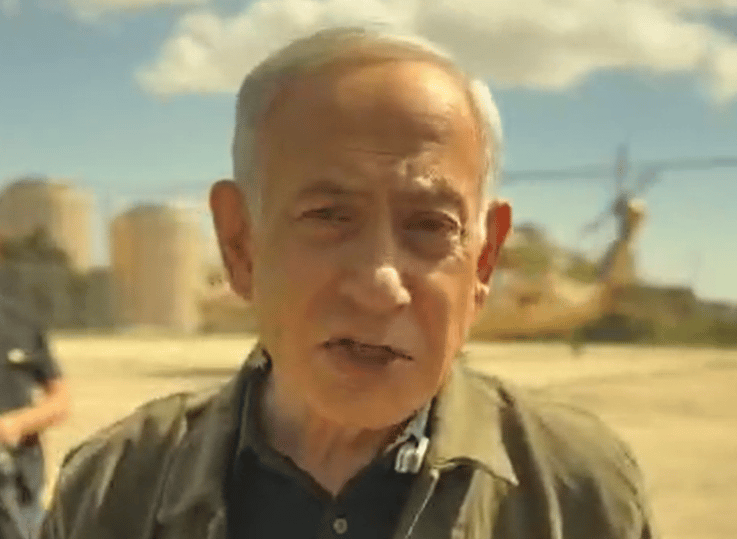
Mohsen Rezaee told Pakistan's army chief, Asim Munir, that Iran will not allow any of its enriched nuclear material to be removed from the country. He also said Tehran will not return to talks with the United States until Washington meets the conditions Iran has set. On Tuesday, Prime Minister Benjamin Netanyahu pledged that Iran will never obtain nuclear weapons and said the Islamic Republic is trying to restart its nuclear program.

The Abu Ali Express channel reported the remarks. It identified Rezaee as secretary of Iran's Supreme National Security Council and Munir as a general, and it said Tehran has set seven conditions for talks. No other outlet has carried the account. The Jerusalem Post reported Munir's arrival in Iran on Tuesday and referred to him by a different rank, field marshal.

Rezaee called the enriched material a strategic asset and a national treasure. He told Munir there is broad agreement in Iran against renewing negotiations until the US takes steps to build trust. The main step, he said, is meeting Tehran's conditions.

Iranian Parliament Speaker Mohammad Ghalibaf gave the Pakistani commander a similar message. He accused the Trump administration of violating a memorandum of understanding and escalating its threats, and said this has deepened distrust between the two countries. Threats and military action, Ghalibaf said, will not affect Iran's strategic decisions.

As reported on October 20, the Arabic-language newspaper Al-Araby Al-Jadeed described a Pakistan-Qatar mediation framework. That proposal concerned interest that has accumulated on a sum of $6 billion held in banks in Qatar. In return, Iran would take a step on oversight of its nuclear program, including a secret, non-public visit by International Atomic Energy Agency inspectors to nuclear sites. Sources cited in that report said Washington had approved the framework and Tehran had given preliminary agreement in principle.

Ready for more?

Join our newsletter to receive updates on new articles and exclusive content.

We respect your privacy and will never share your information.

Enjoyed this article?

Yes
No
Follow Us:
1

Unmissable content


Loading comments...

Also of Interest