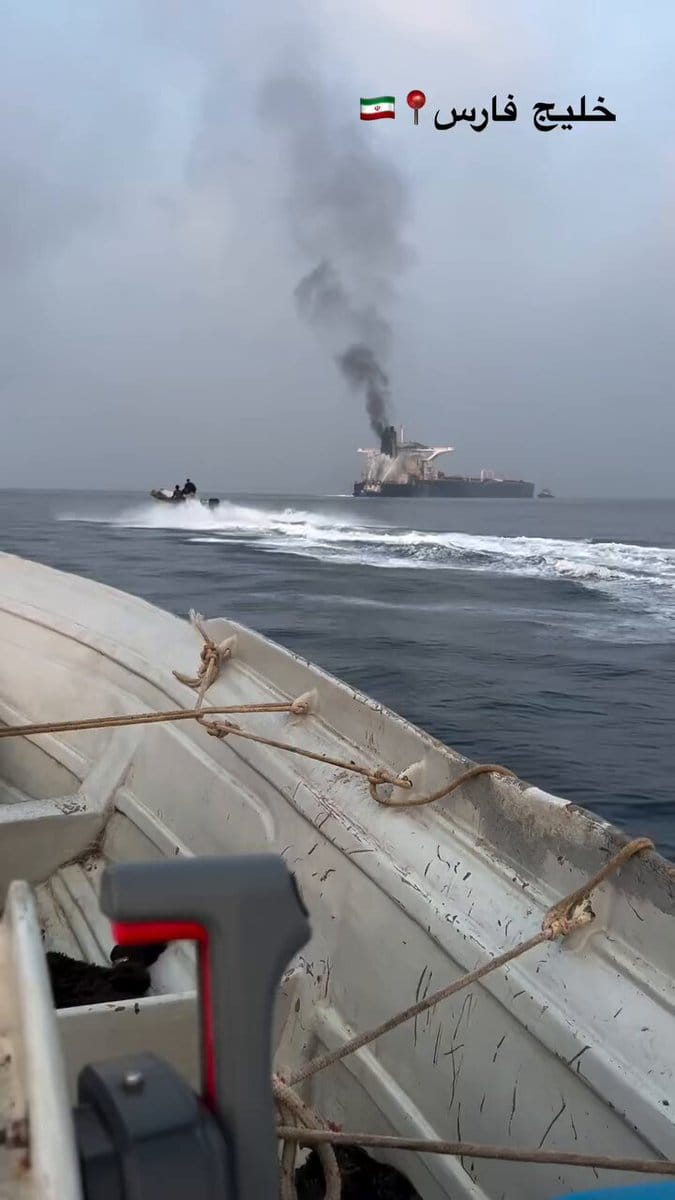
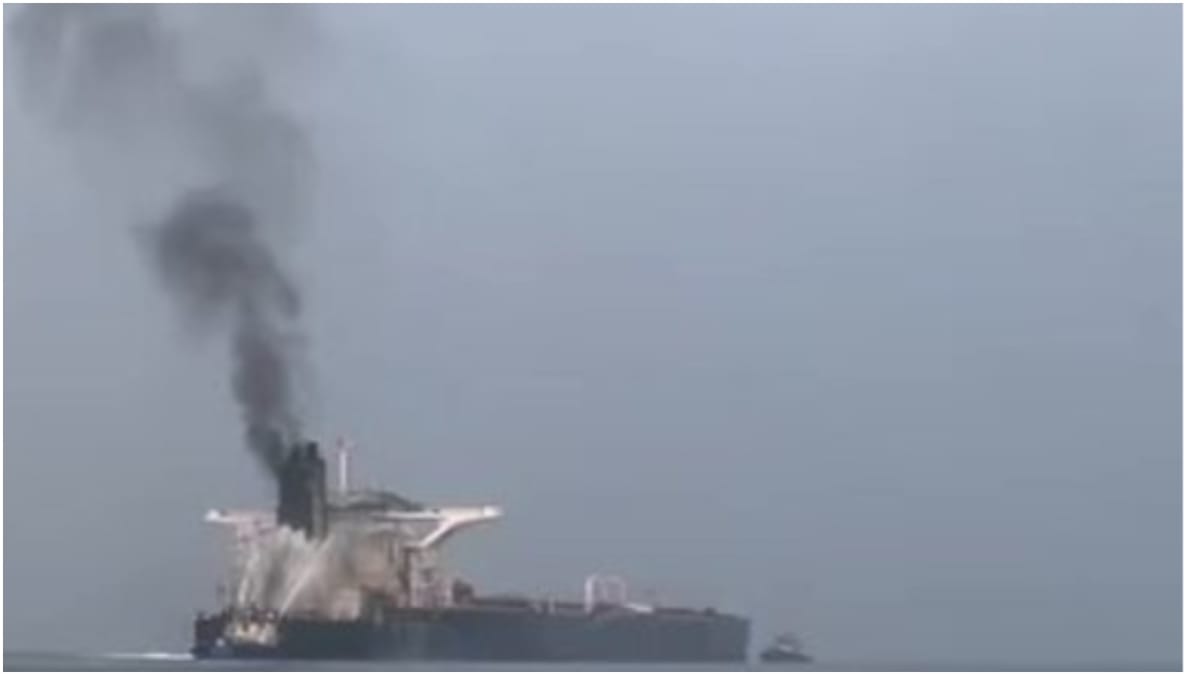
Iran's Islamic Revolutionary Guard Corps has started using unarmed spotters in small boats to identify targets, including US Navy warships, after American strikes destroyed much of its radar capability. A US military official told Reuters about the change on condition of anonymity. The spotters operate in waters Tehran has tried to control since the US and Israel launched strikes on Iran on February 28.
The official described a previously unreported incident last week. The US military determined that Iranian spotters aboard a dhow were calling in targets to the IRGC. US forces confronted the vessel, ordered the people aboard to abandon ship, and then destroyed it. There were no casualties.
The same official said Iran has been unable to stop a ramp-up in oil exports through the Strait of Hormuz because it is unwilling to risk its remaining fast boats. That has been particularly true since US strikes devastated its navy.
Two senior Iranian officials told the agency that Tehran has adopted new tactics against vessels it considers in violation of its restrictions. They said the goals are to keep oil prices high and to influence the US midterm elections. They declined to give details. They said the change covers both the type and the pace of attacks and was approved at the highest levels of Iran's leadership. The two reports of the interview differ on timing. In Ynet's report, one official says the shift began about 10 days ago. i24NEWS reports that it began in recent weeks.
"The aim is to frustrate efforts by the United States and its allies to bring down global oil prices," one of the officials said.
The second official said Tehran would not let President Donald Trump lower prices before the November vote. "Just when they think they are getting close to the point where prices will fall, we will push them away from it. This is a game of chess," he said.
The officials said operations will expand into the Gulf of Oman and waters further away. "Such vessels would be safe nowhere, even outside the Strait of Hormuz," the second official said. Both said Tehran is moving toward a point where no vessel that breaks its restrictions can pass. "It will be complete closure soon," one said.