Get our mobile app
Download on the App StoreGet it on Google Play

The Final Count

Double-Envelope Ballot Count Begins Tonight

Count of soldiers', reservists' and displaced residents' votes starts tonight • 430,000 to 480,000 envelopes expected | Tally due to finish tomorrow evening 

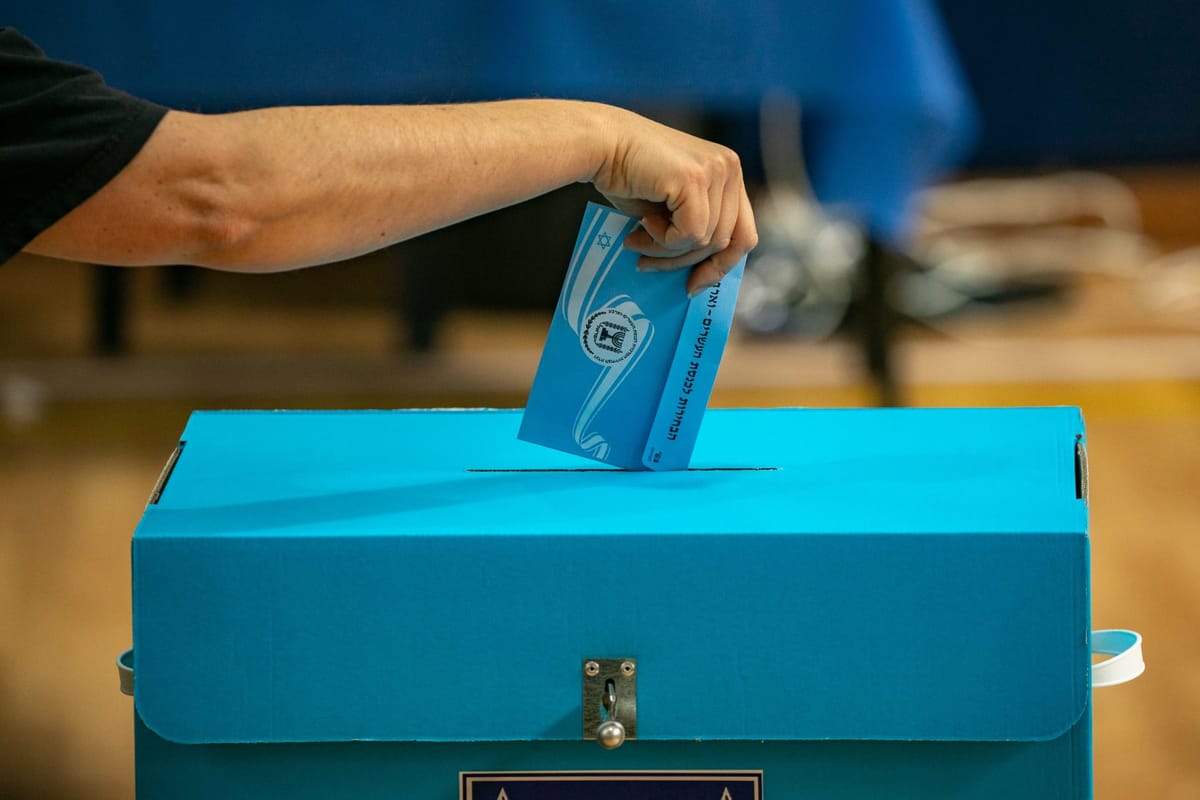
Israeli ballot box

Israel's Central Elections Committee, which is chaired by Justice Noam Sohlberg and publishes turnout figures throughout election day, begins counting double-envelope ballots tonight. The committee expects between 430,000 and 480,000 envelopes and plans to finish tomorrow evening. Until that count is done, the election results remain partial.

Many of these ballots belong to soldiers and reservists, who voted at bases, outposts and mobile stations or with their units rather than near home. Israelis displaced by the security situation since October 7, 2023, who have not yet returned, also voted this way, at designated stations after showing identification and signing a declaration. Their votes are not yet in the published results.

VINnews reported that the committee had prepared for more than 650,000 double-envelope voters, with ballots that could account for about 15 Knesset seats. The committee's current estimate is lower, at 430,000 to 480,000.

The final turnout was 77.7% when polls closed at 10 p.m., up 7.1% from the 2022 election, the committee said, The Jerusalem Post reported. As JFeed reported on Tuesday, 7,331,981 Israelis were eligible to vote across 36 lists.


Double envelopes are used by anyone voting away from their registered polling station. Beyond troops, that covers police officers, prisoners, hospital patients, residents of institutions, voters with disabilities at accessible stations, polling staff and Israeli representatives abroad. About 100 polling stations operated at Israeli diplomatic missions around the world. Soldiers serving beyond Israel's borders, including in Gaza, Syria and Lebanon, could start voting on October 20 at 10 p.m.

Each voter seals the ballot in an unmarked inner envelope, which then goes inside an outer envelope carrying the voter's details. The tally takes place at the Knesset, where officials check those details against the voter register. If a person also voted at their regular station, the double-envelope ballot is disqualified. Otherwise the outer envelope is destroyed and the anonymous ballot is counted. That check is why the process takes days.

The double envelopes have moved seats before:

  • 2013: Jewish Home rose from 11 to 12 seats, while Ra'am-Ta'al fell from five to four.
  • 2015: Likud rose from 29 to 30 and Meretz from four to five. The Joint List fell from 14 to 13 and United Torah Judaism from seven to six.
  • April 2019: Likud first rose from 35 to 36 as United Torah Judaism fell from eight to seven, but about a week later, after further checks, the seat went back to United Torah Judaism.

These ballots can also decide the fate of parties near the 3.25% electoral threshold. A party in that range can either cross into the Knesset or lose all representation.

Ready for more?

Join our newsletter to receive updates on new articles and exclusive content.

We respect your privacy and will never share your information.

Enjoyed this article?

Yes
No
Follow Us:

Unmissable content


Loading comments...

Also of Interest