For years, the Caspian Sea was the one place the Iranian regime felt truly untouchable. It is a landlocked "lake" far beyond the reach of the U.S. Navy’s Fifth Fleet, serving as a private, high-speed conveyor belt for weapons between Tehran and Moscow.
That illusion of safety just went up in smoke.
Following a series of precise strikes on the Iranian port city of Bandar Anzali, reports from the Wall Street Journal and Israeli intelligence sources confirm that the IDF has extended its reach into the one theater Iran thought was off-limits.
The Caspian Sea is the primary artery for the reciprocal flow of weapons between Russia and Iran. It’s where Iranian Shahed drones are shipped to help the Russian war effort in Ukraine, and where Russian ammunition and technology flow back into Iranian hands.
According to former Israeli Navy Chief Eliezer (Cheney) Marom, the strike was meant to break the supply chain, and prove to Tehran that they have zero defenses in the north.
Reports indicate that at least five vessels were hit, including four missile ships, and one patrol boat. While a naval headquarters and a key shipyard were also leveled.
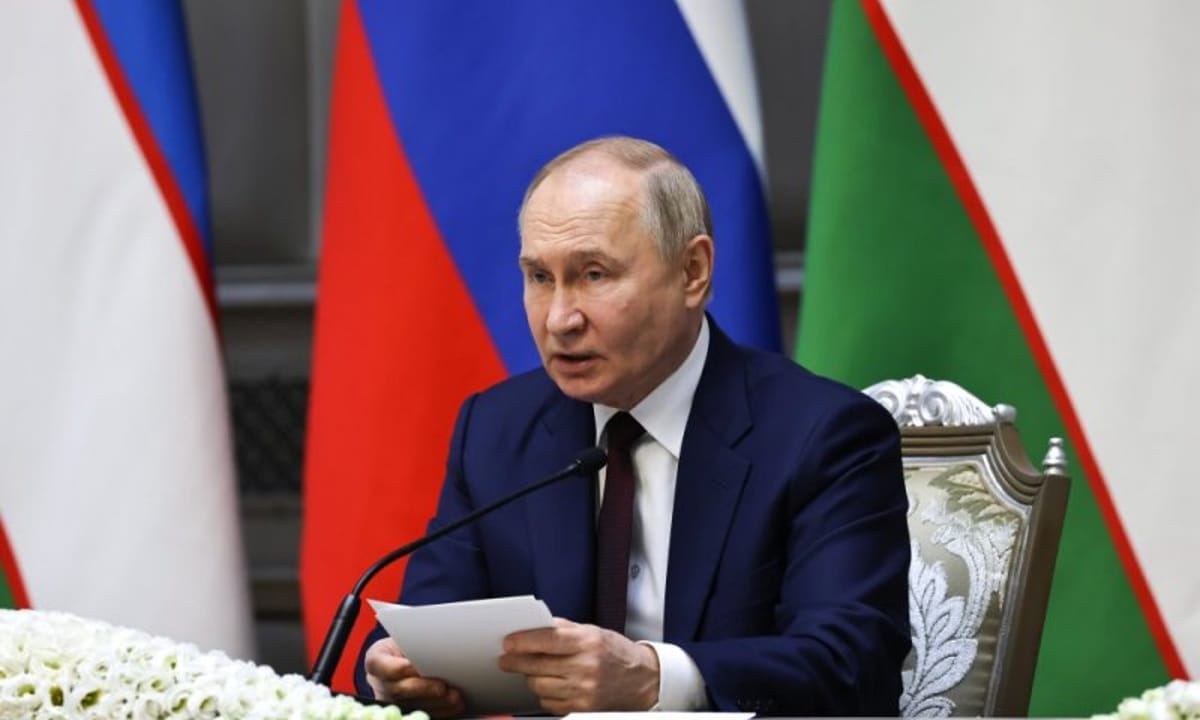
Meanwhile in Moscow, Foreign Ministry spokesperson Maria Zakharova condemned the strike as an affront to "Russian interests," the Kremlin itself seems hesitant to break the board.
When asked if the strike targeted ships carrying Russian arms, Kremlin spokesperson Dmitry Peskov gave a classic "businessman’s" non-answer: "We haven’t heard about that; I have no information on the subject." Moscow knows that while they need Iranian drones, they cannot afford a direct kinetic escalation with Israel while their Black Sea fleet is already in shambles.
Perhaps the most "shrewd" aspect of this strike is the indirect economic message. The Caspian route doesn't just carry missiles; it carries wheat and oil.
By striking Bandar Anzali, Israel has signaled that it can theoretically shut down Iran’s northern trade at will. It’s a move that targets the Islamic Republic’s food security, a potent reminder that the price of hosting a Russian-Iranian smuggling hub might soon include the ability to feed their own people.