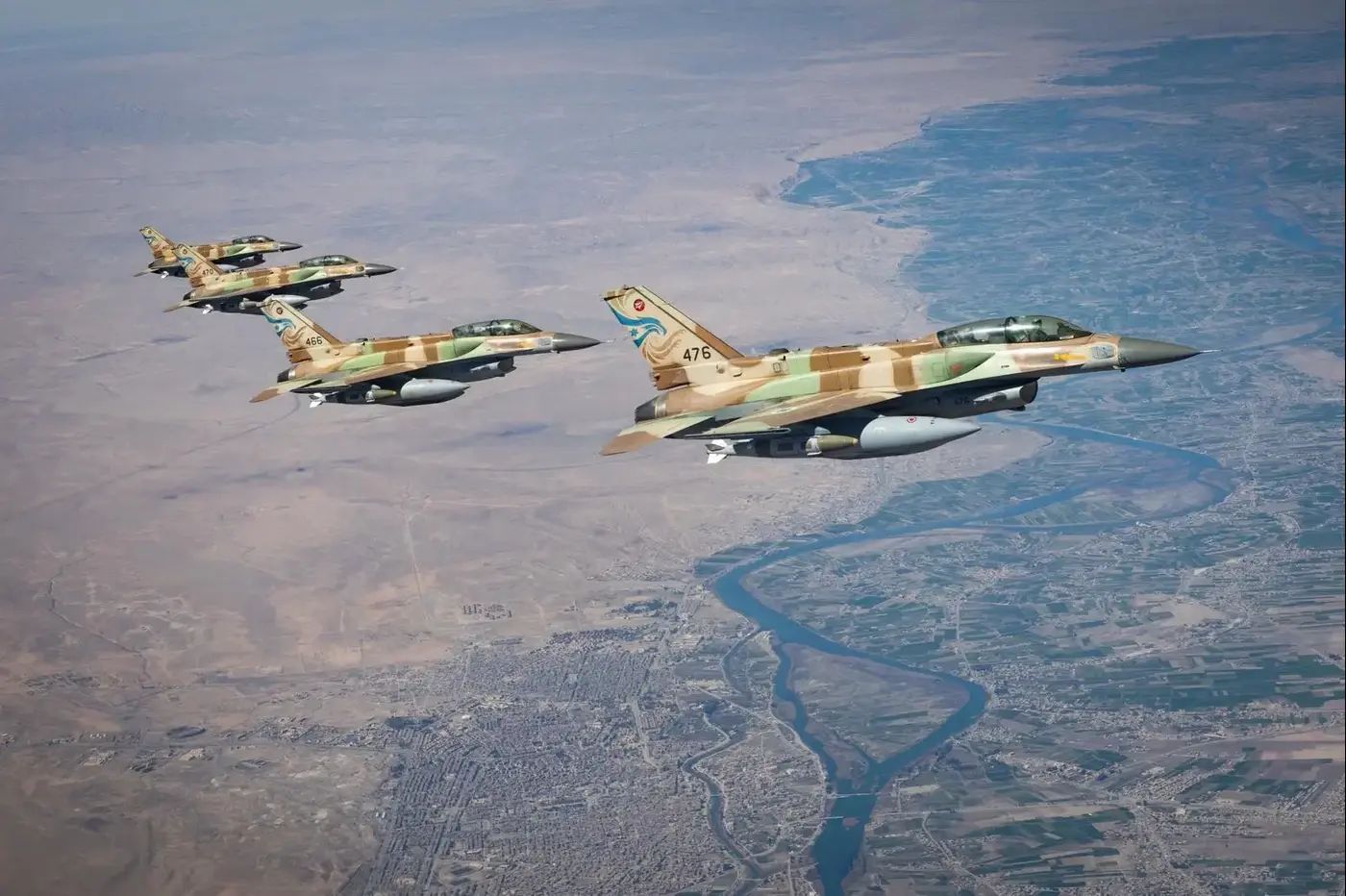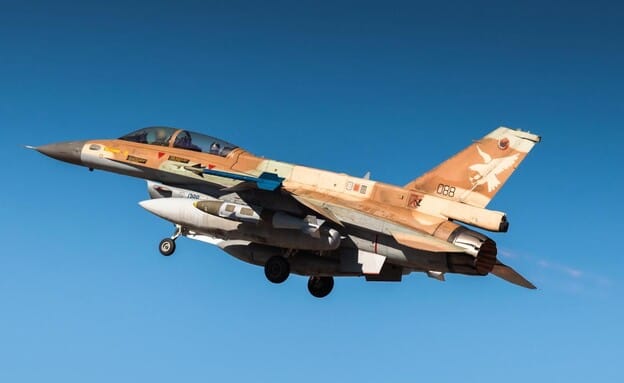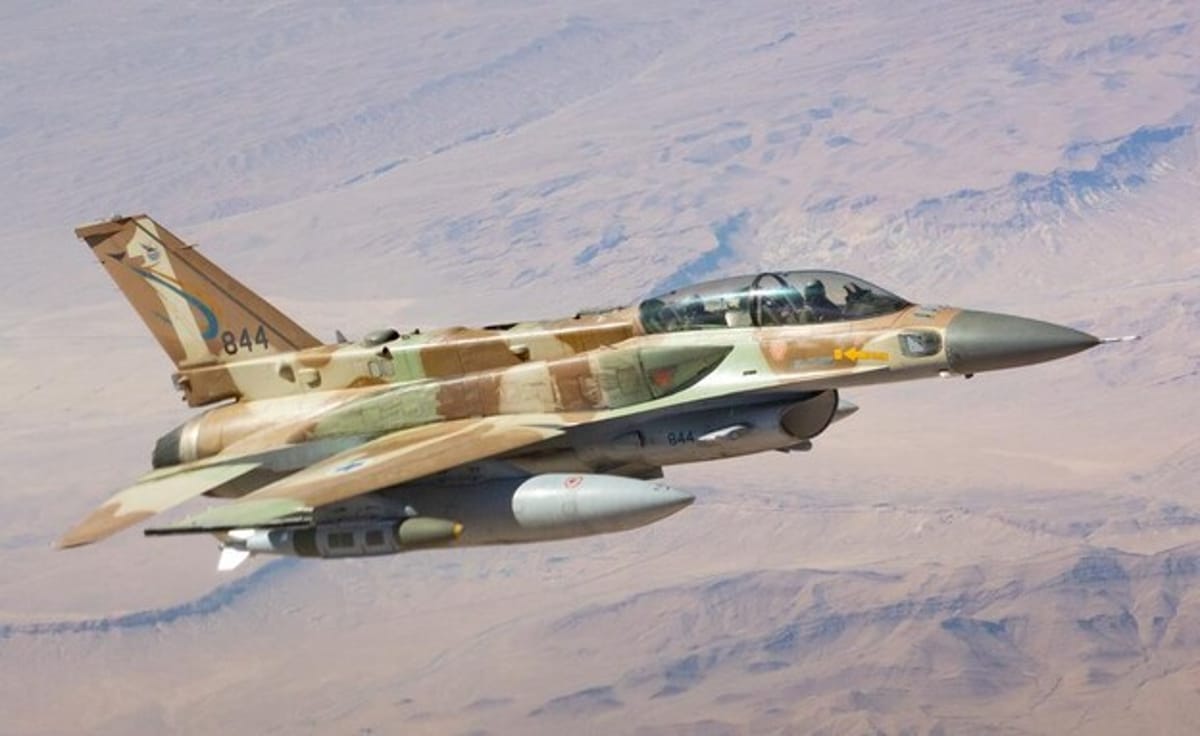
The Israeli Air Force has released dramatic new details regarding the opening salvo of "Operation Lion’s Roar," known as the "Genesis Flight." This historic mission involved 200 aircraft traveling 1,600 kilometers to strike at the very heart of the Iranian defense establishment in Tehran. The operation was defined by an extraordinary level of precision, with 40 high value targets being struck simultaneously within a 40 second window. Military planners revealed that the success of the mission relied on two critical factors: a deep understanding of the Iranian leadership's behavioral habits and an exhaustive analysis of regional weather patterns that allowed the fleet to navigate a treacherous journey across the Middle East.
The 40 Minute Factor
A key component of the mission's success was the intelligence provided by the Intelligence Directorate regarding the meeting habits of Iran's top military brass. By analyzing years of data, intelligence officers discovered a recurring pattern: senior Iranian officials and intelligence heads consistently began their high level meetings approximately 40 minutes later than scheduled. This seemingly minor detail was integrated into the "H-Hour" calculations for the strike. By timing the arrival of the munitions to coincide with this expected delay, the IAF was able to ensure that the maximum number of targets were present within the building when the 40 specialized munitions impacted their targets.
The decision to strike during daylight hours was another calculated risk that paid off. Iranian defenses were prepared for a nighttime stealth operation, which is the standard protocol for long range raids. By attacking in broad daylight, the IAF exploited a gap in the enemy's expectations, achieving a level of surprise that completely paralyzed the local response. A senior officer noted the complexity of the feat, stating that very few air forces in the world possess the capability to synchronize a strike of this quality, involving 200 aircraft at such a vast distance from their home bases.
Navigating the Elements
The second hurdle was the volatile weather over the 1,600 kilometer flight path. IAF meteorologists analyzed over 70 different weather models to identify an optimal 72 hour window. This wasn't just about visibility for the pilots, it was a matter of life and death regarding fuel management. Wind speed and atmospheric conditions drastically affect fuel consumption, and every drop in the "belly of the plane" was vital for the return journey. Air Force Commander Major General Tomer Bar adopted the meteorological recommendations in full, allowing the fleet to navigate sandstorms and high altitude turbulence that would have grounded less prepared forces. This meticulous planning ensured that the 600 munitions dropped during the raid hit their marks, effectively decapitating the Iranian command and control structure in a single, devastating blow.