As the war against the Iranian regime enters its twentieth day, high-ranking officials within the Israeli Air Force have pulled back the curtain on a daring and unconventional tactical approach. Under the banner of "Operation Lion’s Roar," the military has been deploying older remotely piloted aircraft on high-risk, one-way missions deep into Iranian territory. These "suicide missions" are specifically designed to penetrate the most heavily defended airspaces, forcing Iranian missile batteries to reveal their locations or face immediate destruction. By sacrificing these unmanned systems, the IAF is successfully clearing safe corridors for manned fighter jets, ensuring that Israeli pilots can carry out high-value strikes with significantly reduced risk to their lives.
The Front Line of the Unmanned Array
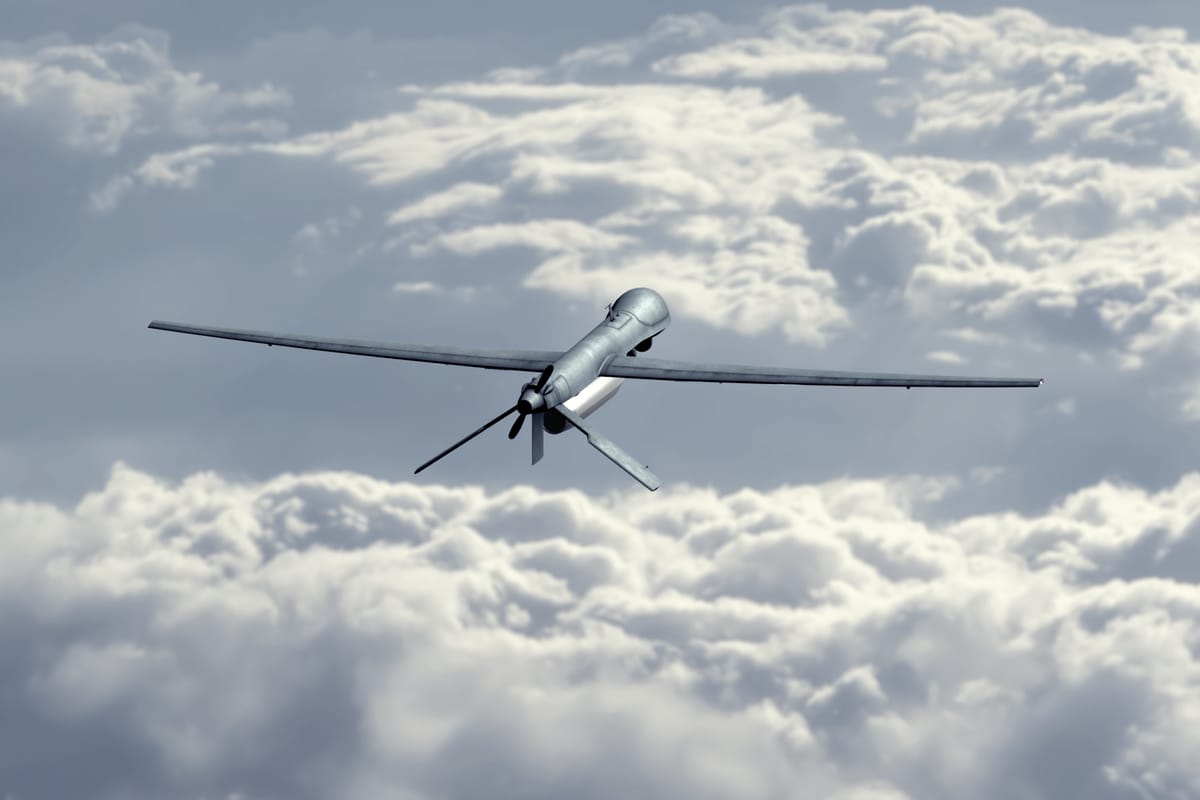
The unmanned array has been at the forefront of the fighting since the opening minutes of the war, serving as the "scout before the camp." According to a senior officer, the military carefully matches specific aircraft to each target, with many older models being designated for missions where a return to base is not expected. These drones operate in areas saturated with surface-to-air missiles, acting as bait to trigger enemy radar or as precision kinetic tools to strike the batteries themselves. "For each target, the relevant aircraft was adapted," the officer explained, adding that "some of them went on suicide missions."
This strategy has proven essential for suppressing Iranian air defenses. By drawing fire or destroying launchers, the drones allow manned aircraft to focus on high-quality targets using heavy munitions without having to constantly evade incoming missiles. Throughout the operation, between ten and twenty drones have fallen in enemy territory. However, the defense establishment emphasizes that operational continuity remains unaffected. Thanks to pre-existing contracts, Israeli defense industries have already supplied upgraded replacements, integrating advanced technological features and edge capabilities into the new fleet.
A Salute to the Machine
In a moment that highlights the emotional and strategic weight of these operations, the Commander of the Air Force, Major General Tomer Bar, reportedly offered a formal salute to a specific drone. The aircraft in question had completed a particularly sensitive and dangerous mission in one of the most lethal zones of Iran, providing intelligence that was vital for the success of the broader air campaign. While most of these aircraft are lost, there are rare instances of survival that have surprised even the technicians. One drone, sent on a designated one-way mission into a high-threat zone, somehow managed to navigate back to its base against all odds.
The use of these remotely piloted vehicles has saved countless hours of work for manned aircraft and prevented potential pilot captures or fatalities. By taking on the most dangerous tasks of intelligence gathering and initial suppression, the drones have fundamentally changed the way Israel is conducting the air war. As the industries continue to churn out newer, more capable versions of these systems, the IAF is proving that even "disposable" technology can be the difference between victory and catastrophe in the skies over Tehran.