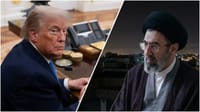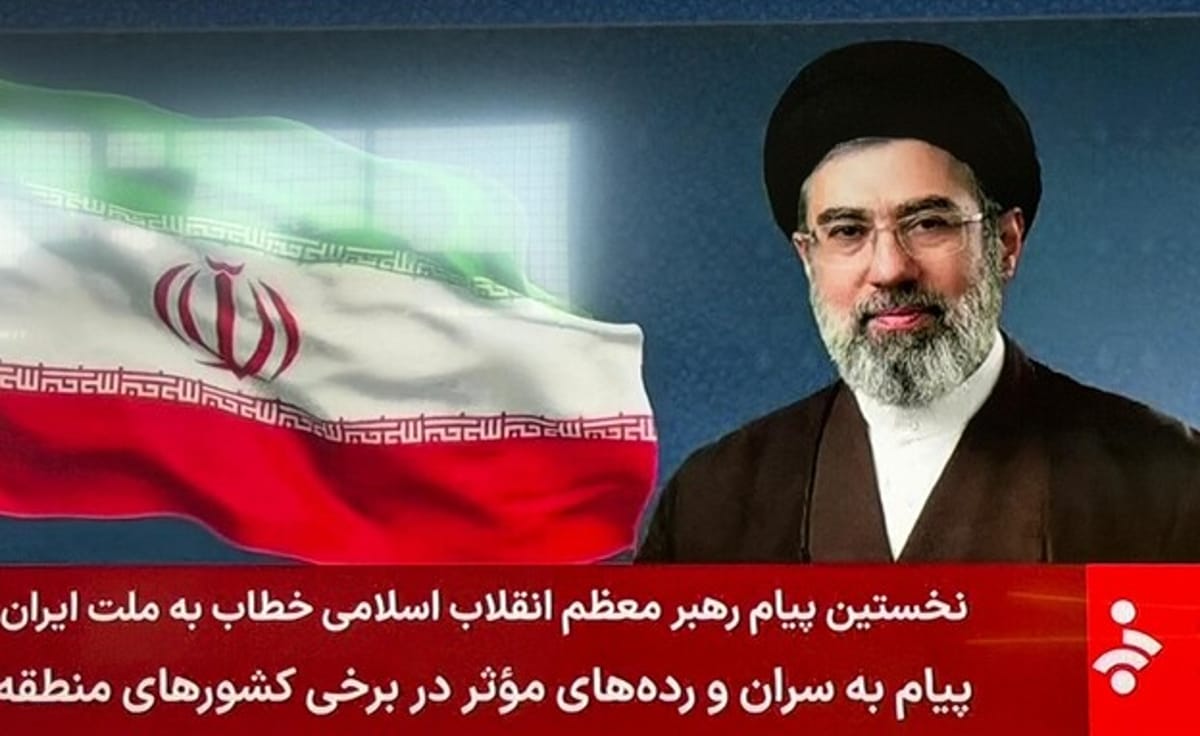
The elimination of Supreme Leader Ali Khamenei three weeks ago has plunged the Iranian regime into a historic leadership crisis, leaving a dangerous power vacuum at the top of the state. While his son, Mojtaba Khamenei, was officially named as his successor ten days ago, experts suggest he is not actually governing the country due to a lack of experience and serious injuries sustained during the opening strikes of the war. This void has forced a decentralized and highly extremist group of military and political figures to take the reins, leading to internal friction and a fragmented decision making process. As the war intensifies, the lack of a single, undisputed voice in Tehran is creating cracks in a system that was previously built on total obedience to a single leader.
The New Power Players
Danny Citrinowicz, an Iran expert from the Institute for National Security Studies, explains that the current situation is unprecedented for the Islamic Republic. "It is not clear who is making the final decision in Iran today," he notes, describing a system where different voices are now pulling in conflicting directions. Among the most prominent figures currently filling the gap is Mohammad Baqer Qalibaf, the Speaker of the Parliament. As a former high ranking officer in the Revolutionary Guard and former Mayor of Tehran, Qalibaf bridges the gap between the military elite and the political establishment. His recent vow to retaliate for strikes on gas facilities, which was followed by an immediate missile barrage, serves as evidence of his significant influence over current policy.
Commanding the military front is Ahmad Vahidi, the new head of the Revolutionary Guard. Vahidi, who has served as both Minister of Interior and Defense, replaced Mohammad Pakpour after his elimination. Analysts describe Vahidi as even more radical than his predecessors, making him a central and dangerous figure in the management of the war against Israel and the United States. He is supported by Ali Abdollahi, the coordinator of the armed forces, who is known for his extreme anti American rhetoric, and Mohsen Rezai, a veteran commander and senior advisor with a history of involvement in international terrorism.
Sidelined Diplomats and Growing Extremism
While President Masoud Pezeshkian and Foreign Minister Abbas Araghchi continue to communicate with Western and Gulf leaders, their actual impact on Iranian policy is believed to be negligible. Pezeshkian is described by experts as the weakest president in Iranian history, with no real authority over the military's "fire policy" or strategic direction. This leaves the country in the hands of the most radical elements of the Revolutionary Guard. The targeted eliminations of more moderate or pragmatic voices have not only demonstrated Israeli operational superiority but have also pushed the remaining survivors into an even more desperate and extremist corner, ensuring that those left alive in the leadership are the most radical members of the regime.