High Stakes
The Ice Cold War: Why the Battle for Greenland Is So Important
Beyond the headlines of purchasing the island lies a century long American strategic obsession and a desperate race against China and Russia for the control of the future Arctic trade routes
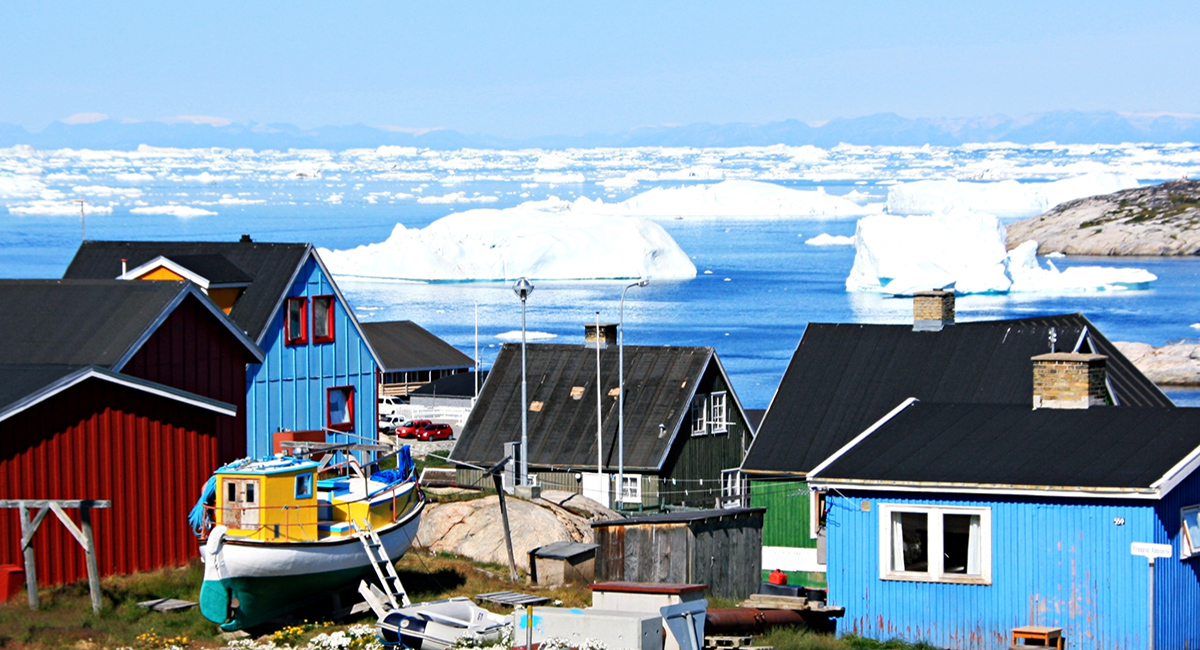
When Donald Trump first floated the idea of purchasing Greenland during his first term, the media reaction was one of amusement.
However, in the halls of the Pentagon and among grand strategists, there was no laughter. The interest in the world’s largest island is not a whim of a real estate mogul but a continuation of American geopolitical doctrine that dates back to 1867, when the State Department first commissioned a report on the acquisition of Greenland.
In 1946, President Harry Truman went as far as offering Denmark one hundred million dollars in gold for the territory. The logic then is the logic now: Greenland is the cork in the bottle of the North Atlantic.
Geographically, Greenland dominates the "GIUK Gap" (Greenland, Iceland, United Kingdom), the naval choke point that the Russian Northern Fleet must pass through to reach the Atlantic Ocean.
For decades, the Thule Air Base in northern Greenland has been the crown jewel of American missile defense, hosting the early warning radar that would detect a nuclear strike over the North Pole. But the game has changed. As the ice melts, the Arctic is transforming from a frozen wasteland into the "Suez Canal of the North," offering shipping routes that cut weeks off the transit time between Asia and Europe. Whoever controls Greenland controls the toll booth of the twenty-first century.
This reality has not escaped Beijing and Moscow. China, calling itself a "Near-Arctic State," has aggressively attempted to gain a foothold on the island. Chinese state-owned companies have sought to build airports in Nuuk and purchase abandoned naval bases, moves blocked only by intense pressure from Washington on Copenhagen. Beijing eyes Greenland’s rare earth minerals, uranium, neodymium, and dysprosium, which are essential for everything from iPhones to fighter jets. Meanwhile, Russia has remilitarized its northern coast, restoring Soviet-era bases and deploying hypersonic missiles.
The economic and strategic stakes make the current status quo unsustainable. While Greenland is an autonomous territory of Denmark, its economy is heavily subsidized by Copenhagen. The United States views the island not just as a piece of land but as an essential component of the North American tectonic plate and security architecture. In a world dividing into blocs, the West can no longer afford to leave the world’s most strategic unsinkable aircraft carrier exposed to the highest bidder.