Commentary

 The Next Round with Hezbollah Is Only a Matter of Time

The ceasefire last November found the Lebanese terror organization battered and bruised, stripped of its command structure and gripped by paralyzing fear among its fighters. At the same time, Hezbollah’s opponents in Lebanon celebrated its humiliation and the erosion of its influence, and there was a sense in the air that a new Lebanon might emerge, free from the grip of the terror organization.

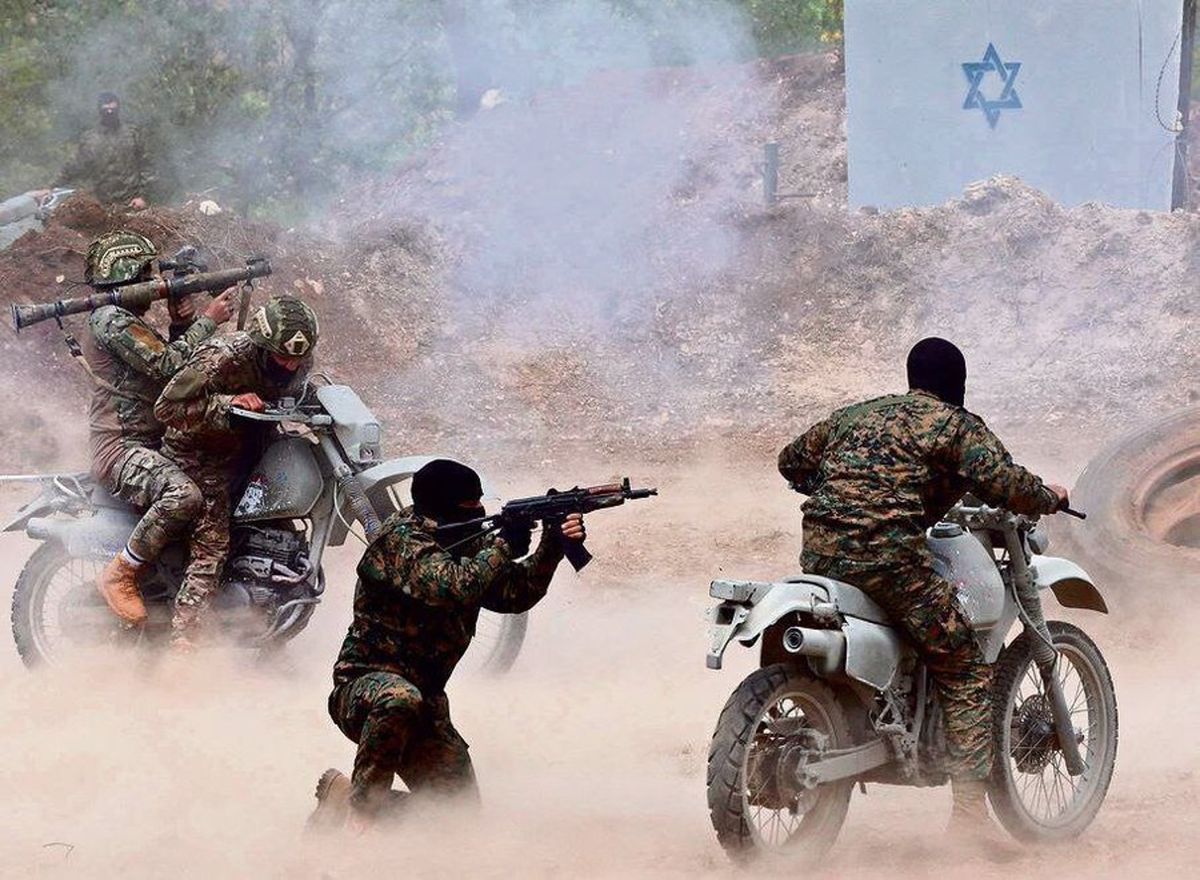
Hezbollah terrorists in training.
Hezbollah terrorists in training. (Photo: Hezbollah)

Only the willfully deaf fail to hear the growing drumbeat along Israel’s northern border. The air is heavy with accumulating pressure, and both Israel and Lebanon understand the same truth: the next confrontation with Hezbollah is no longer a question of if, but when.

In the months following the November ceasefire, Hezbollah appeared broken. Israel’s northern campaign had left the organization battered, its senior leadership decapitated, its command structure fractured, and fear deeply embedded among its operatives. For a brief moment, a different Lebanon seemed possible. Hezbollah’s domestic opponents raised their heads. Public mockery of the organization, once unthinkable, became visible. The idea of a sovereign Lebanese state, free from the grip of a terror army, felt closer than it had in decades.

That moment has now passed.
Loading...
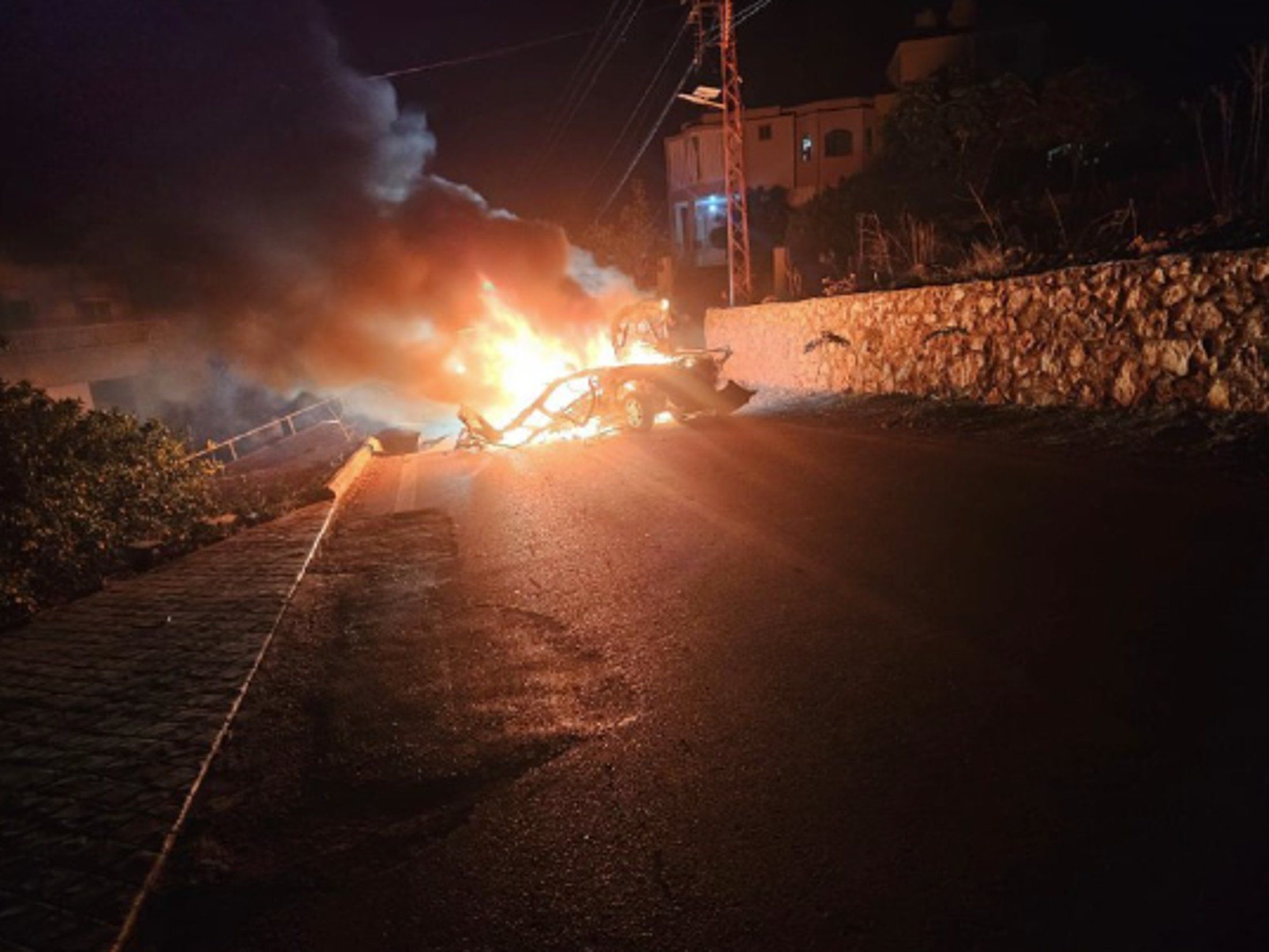
Israeli airstrikes in Lebanon. (Photo: Lebanese social media)

Over the past half year, Hezbollah has steadily rebuilt its confidence. The organization has recovered from the shock of Israel’s northern operation and resumed reconstruction and rearmament under the watchful eye of the IDF. Crucially, its operatives no longer behave as if they fear Israeli airpower. Infrastructure is being restored, weapons smuggling has intensified, and the psychological barrier that once restrained Hezbollah has eroded.

When a terror organization loses its fear while facing a state fighting for survival, escalation becomes inevitable.

The initial postwar period marked Hezbollah’s lowest point in years. Israel’s campaign eliminated much of the organization’s senior leadership, including its longtime secretary general Hassan Nasrallah, senior military commanders Ibrahim Aqil and Ali Karki, and hundreds of mid-level operatives. Thousands of rocket launchers, weapons depots, underground command centers, and strategic assets were destroyed. A subsequent ground maneuver deep into southern Lebanon dismantled vast terror infrastructure beneath villages along the border and killed thousands of Hezbollah fighters.

Loading...
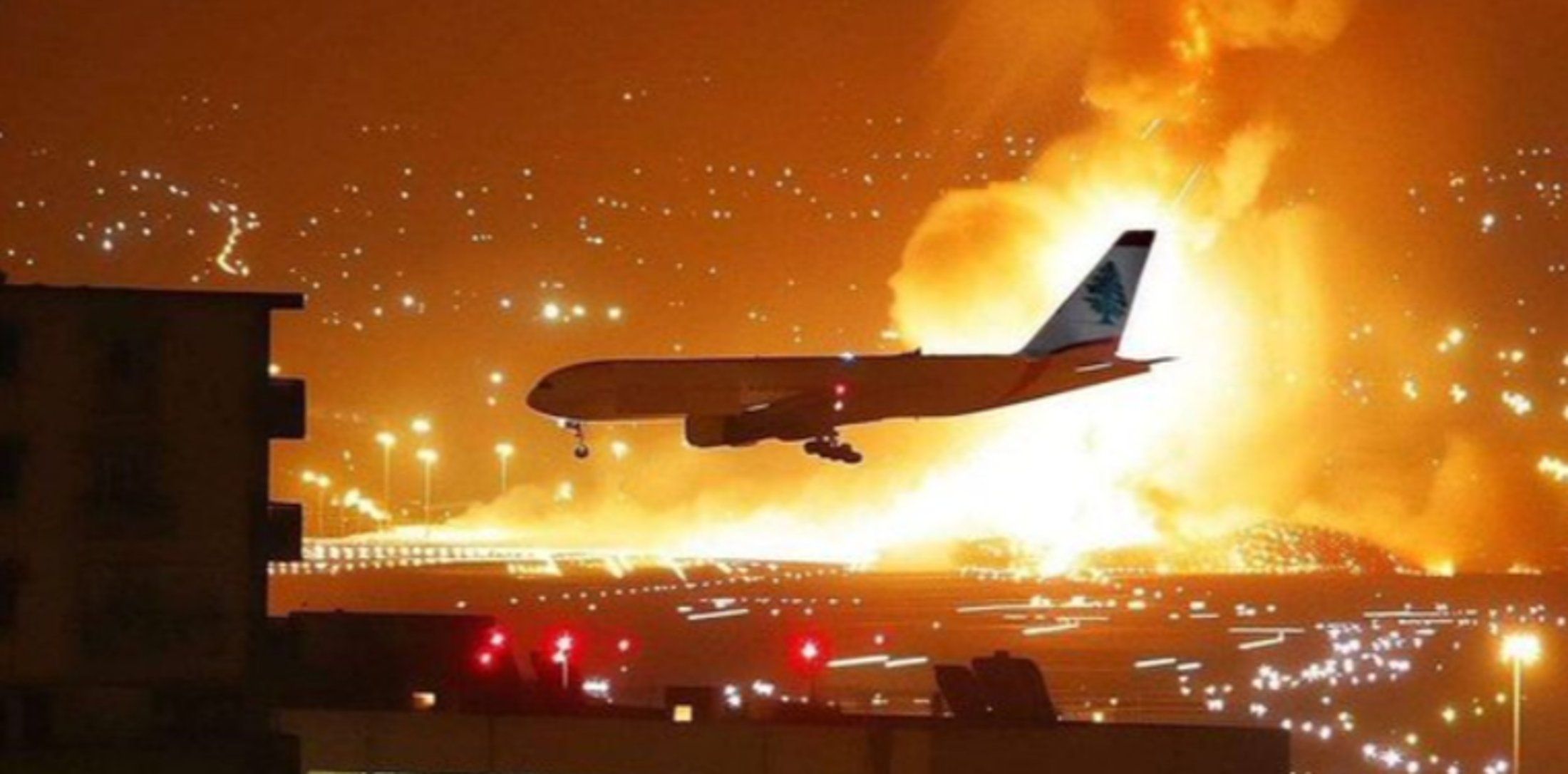
A flight landing in Beirut during airstrikes. (Photo: Lebanese social media)

Ironically, it was the quiet that followed the ceasefire that exposed Hezbollah’s vulnerability. With Israeli pressure at its peak, suppressed anti-Hezbollah forces within Lebanon surfaced. A new government was formed after years of paralysis. Hezbollah and Amal were reduced to limited ministerial representation. The organization’s political blocking power weakened as Christian and Druze factions distanced themselves. Even Iran-linked flights into Beirut were blocked, a move once unimaginable.

Public ridicule of Hezbollah, fueled by the rise of uninspiring replacement figures like Naim Qassem, became widespread. For a short time, Hezbollah looked humiliated.

The turning point came in May 2025.

Municipal elections in southern Lebanon and Nabatieh delivered sweeping victories for Hezbollah-backed candidates. The results demonstrated that despite military losses, Hezbollah’s civilian power base remained intact. The elections served as a referendum on loyalty, and Hezbollah passed. Celebrations erupted openly, flags filled the streets, and the organization rediscovered its confidence.

From that point on, the tone shifted.

Loading...
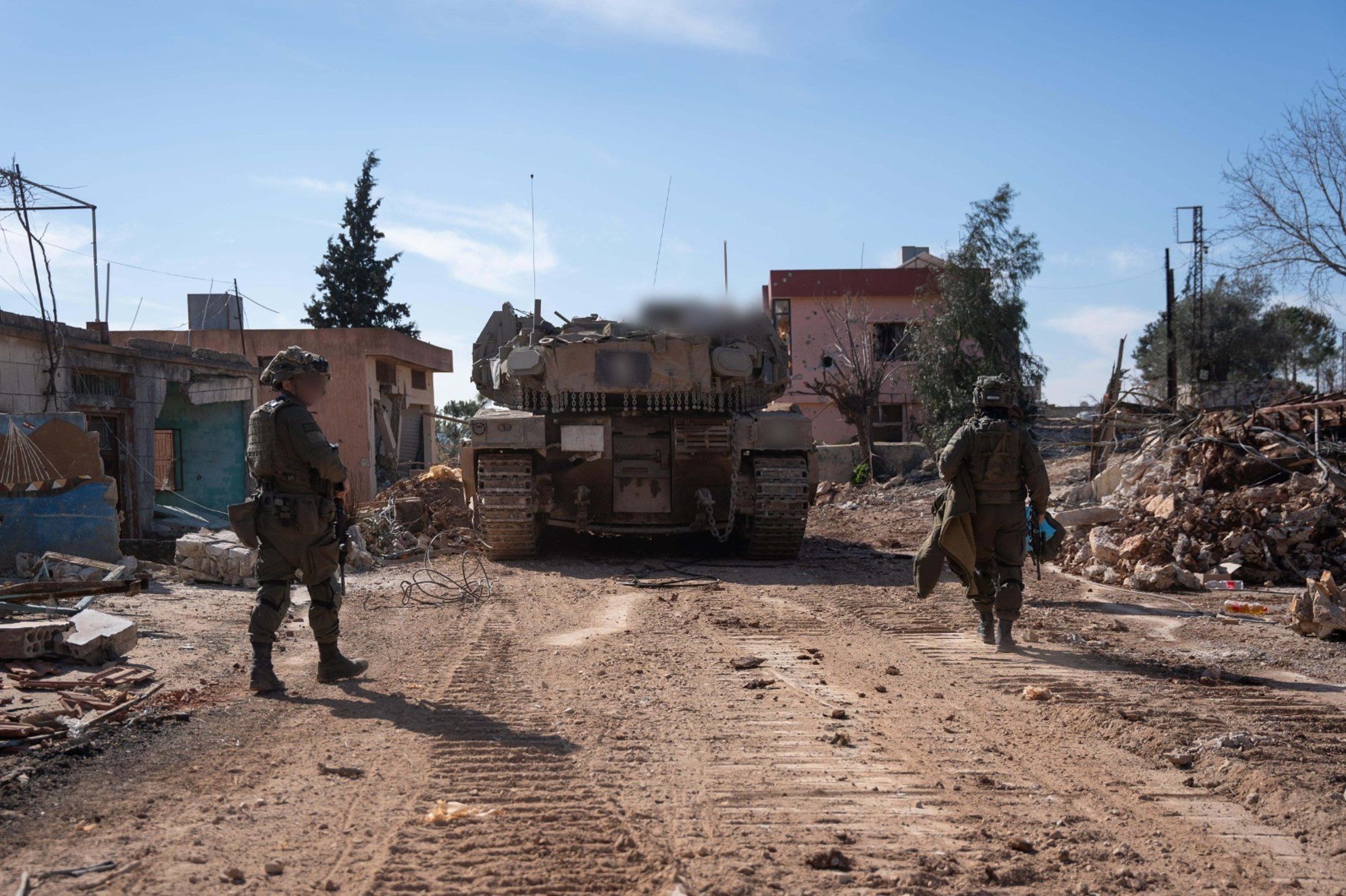
IDF soldiers on patrol in Lebanon. (Photo: IDF Spokesman's Unit)

The confrontation over Beirut’s iconic Raouche Rocks marked a second, more decisive turning point. Hezbollah’s decision to project images of its slain leaders onto a national landmark was not symbolic vanity. It was a deliberate test of state authority. When Prime Minister Nawaf Salam attempted to block the event through legal directives, Hezbollah ignored him. When security forces intervened, clashes followed. The images were projected anyway.

The message was unmistakable. Hezbollah remains the ultimate authority in Lebanon.

Since then, restraint has disappeared. Despite continued Israeli strikes, Hezbollah has resumed its buildup without fear. The organization no longer interprets Israeli action as deterrence but as noise. Israel’s air superiority, once paralyzing, is now absorbed into Hezbollah’s calculations.

Loading...
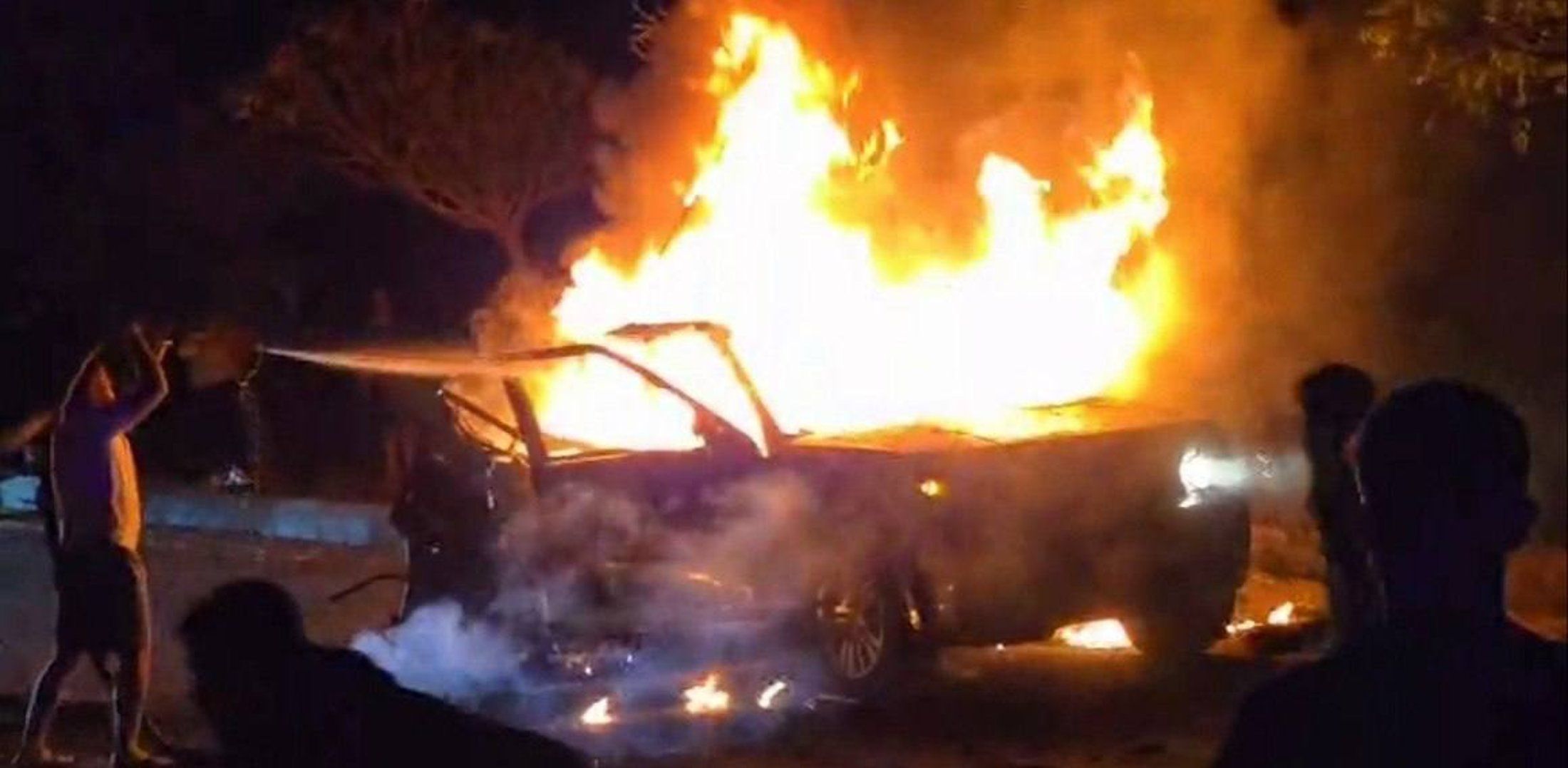
IDF airstrikes in Lebanon.

The conclusion is unavoidable. Hezbollah has learned the wrong lesson from the past year. It believes Israel is constrained. It believes Lebanon lacks a sovereign force capable of restraining it. And it believes time works in its favor.

In that reality, Israel is left with one option it has tried to delay. Another campaign in Lebanon, aimed not at signaling or containing, but at decisively breaking Hezbollah’s military power.

The next war in the north is not a failure of imagination. It is the product of a clear and accelerating chain of events. The fuse is lit. The explosion is only a matter of time.

Ready for more?

Join our newsletter to receive updates on new articles and exclusive content.

We respect your privacy and will never share your information.

Enjoyed this article?

Yes (87)
No (3)
Follow Us:

Loading comments...