
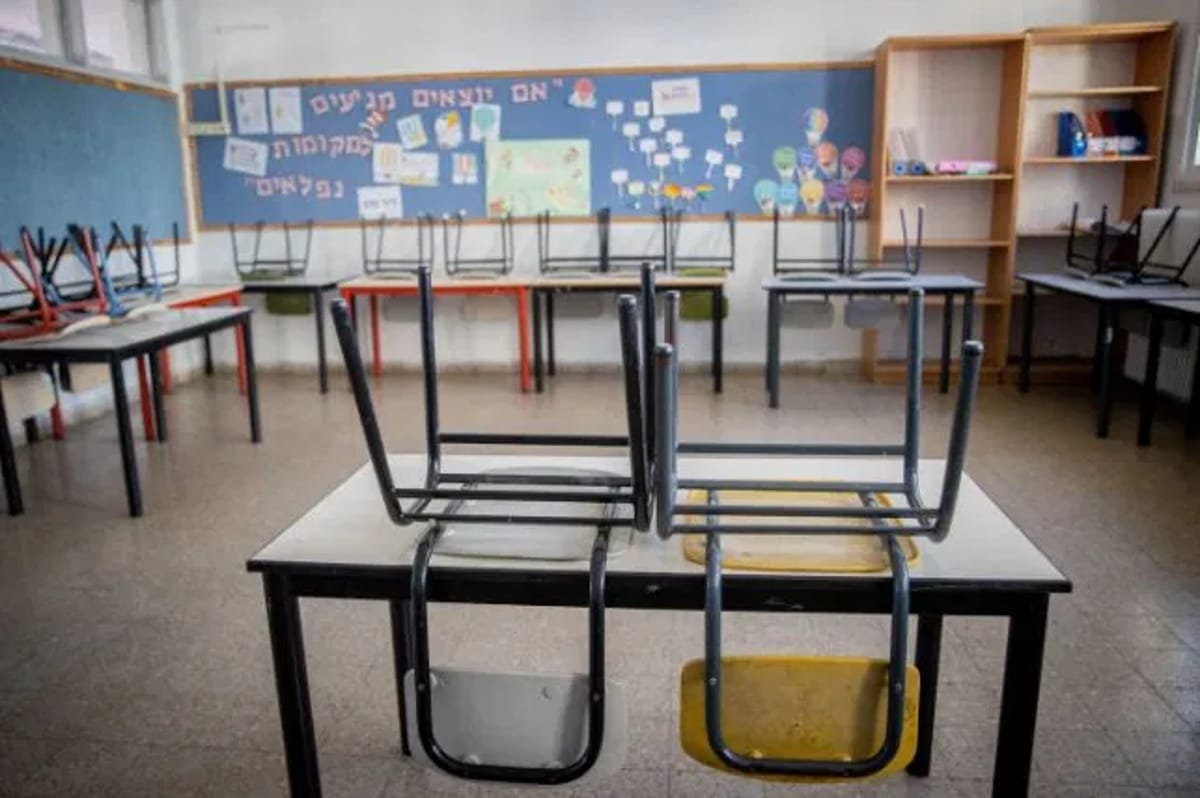
The optimistic yet conflicting reports of a permanent agreement between the United States and Iran caught Israeli students at the end of the Shavuot holiday as they packed their school bags. But the walk or drive to school on Monday was heavy with an invisible shadow of uncertainty.
The persistent anxiety that has weighed on the hearts of children and teenagers since the outbreak of the "Swords of Iron" war refuses to fade, even as the immediate emergency begins to feel like a distant memory.
Israeli students have quietly learned to handle challenges far beyond their standard curriculum under grueling conditions over the past few years. Their resilience under domestic and external pressure is highly commendable, demonstrating a fortitude that students in other countries rarely have to develop.
The Uneasy Calm After the Storm
While the performance of Israeli students and parents during the wartime and the pandemic periods earned widespread international praise, proving the home front’s steadfast resilience, managing the crisis was only the first phase.
An equally daunting task has emerged: confronting the return to routine and navigating the academic and social hurdles left in the wake of prolonged conflict, which have left complex, deep-seated psychological scars.
The logistical issues created by the war, particularly surrounding canceled exams that have suddenly been reinstated and frequent changes to curriculum and schedules, have turned the average Israeli student into a bundle of nerves. Unlike an Iranian missile threat, this psychological strain cannot be intercepted by an Arrow defense system, nor is it easily resolved by a quick call to an emergency emotional support hotline.
Assaf, an educational counselor, believes the core issue facing students is the loss of familiar structures during the conflict.
"The primary challenge after returning to routine from a war is restoring basic learning habits," Assaf said. "Arriving at school on time in the morning, maintaining focus in class, entering lessons promptly after breaks with the necessary equipment, and keeping to acceptable school boundaries after a long period of unstructured time."
He noted that the war fostered a self-directed schedule devoid of daily order, characterized by irregular sleep patterns and excessive screen time. "Suddenly, everything is forced back into the rigid timeline of standard schooling. This requires students to actively exert effort to readapt to a set daily routine while adhering to institutional rules."
A Patient and Strategic Return
To ease the jarring transition back to normal academic expectations, experts recommend implementing several practical strategies on a daily basis:
- Group Study: Collaborative learning fosters an engaging, focused environment that naturally revives face-to-face social connections, serving as an antidote to the disconnected rectangles of Zoom interfaces.
- Bite-Sized Tasks: Marathon five-hour study sessions that stretch into the early morning hours are counterproductive. Students are advised to study in short intervals of up to 30 minutes per subject, taking brief breaks in between to allow the brain to gradually adapt to sustained focus.
- Seeking Assistance: Acknowledging the difficulty of returning to a heavy workload after an extended disruption is a strength, not a weakness. Teachers are better equipped to help students who communicate openly, and they can provide accommodations or postpone exams to secondary dates to allow for adequate preparation.
Ultimately, while the return to a normal routine is a positive development, experts emphasize that the transition must be managed with patience, strategy, and care.