
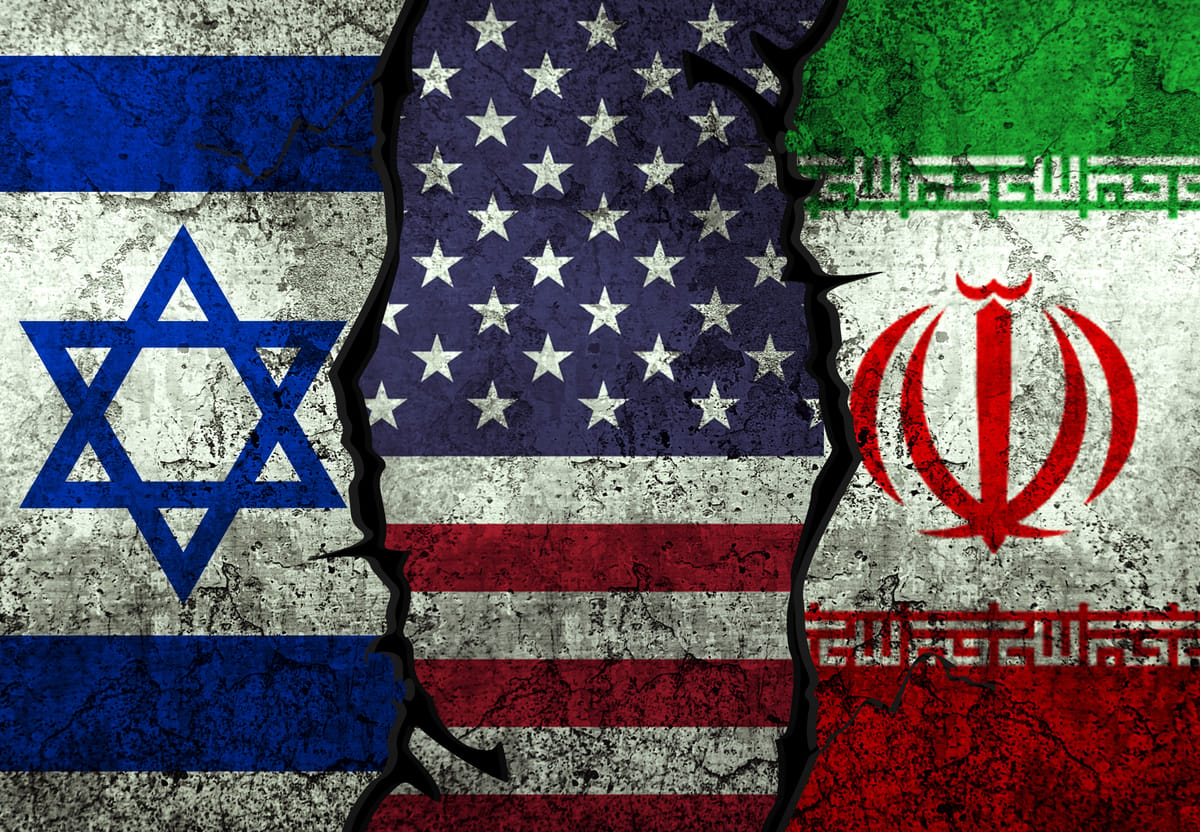
America cannot accept a reality where Israel is barred from decisive action in Lebanon. To do so would be a formal admission that Tehran, not Washington, dictates the management of Middle Eastern proxies.
Recent CIA leaks regarding Hezbollah’s attempted takeover of Lebanon have laid bare the stakes: this isn't a border skirmish; it’s a regional coup.
Tehran is currently attempting to establish a dangerous new equation: using the Strait of Hormuz as a "veto mechanism" over Israeli or American activity. While this blackmail has seen mid-term success, it is a strategic dead-end that the West must reject. However, Iran enters negotiations from a position of perceived strength. Why? Because it understands the American domestic landscape perfectly.
Despite the Trump administration's "America First" posture, the "spoiled and satiated" American public remains allergic to the unpopular necessities of ground stability. Between a Left that reflexively opposes any Trump-aligned victory and a fringe Right that views coordination with Israel as a "betrayal," the President faces a pincer movement of isolationism.
But the math is simple, and only a fool would ignore it: Is the cost of dismantling Iran’s regional power today truly higher than the cost of a nuclear-armed Iran tomorrow?
The time for strategic ambiguity is over. If the U.S. and Israel do not establish a final, inflexible timeline for Lebanon and Iran, Tehran will simply use the "negotiation" phase as a tool for exhaustion. If diplomacy continues to fail, the only remaining "genius plan" may be the total seizure of Iranian oil assets. Waiting for the midterms is a luxury we cannot afford.