A series of urgent strategic assessments conducted within the national security apparatus has triggered widespread alarm regarding the catastrophic long-term consequences of lifting international sanctions on the Iranian regime. Top defense officials are warning that the impending dissolution of Western financial embargoes will immediately channel billions of dollars into active regional proxy networks. The primary concern among military planners is that the influx of unfrozen cash will directly subsidize terrorist organizations, effectively erasing the kinetic achievements secured during recent combat operations.
The defense establishment has established a firm working assumption that the current leadership in Tehran has absolutely no intention of abandoning its hostile regional architecture, viewing diplomacy merely as a tactical tool to delay direct conflict. Security experts emphasize that the sudden availability of liquid capital will allow the regime to instantly accelerate its funding for Hamas, Hezbollah, the Houthis, and various Shiite militias operating across Iraq. This financial windfall threatens to revitalize the infrastructure of the regional terror axis, providing them with the necessary resources to recruit, re-arm, and plan future synchronized assaults.
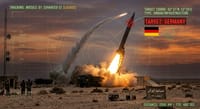
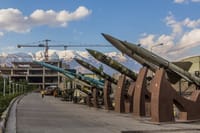
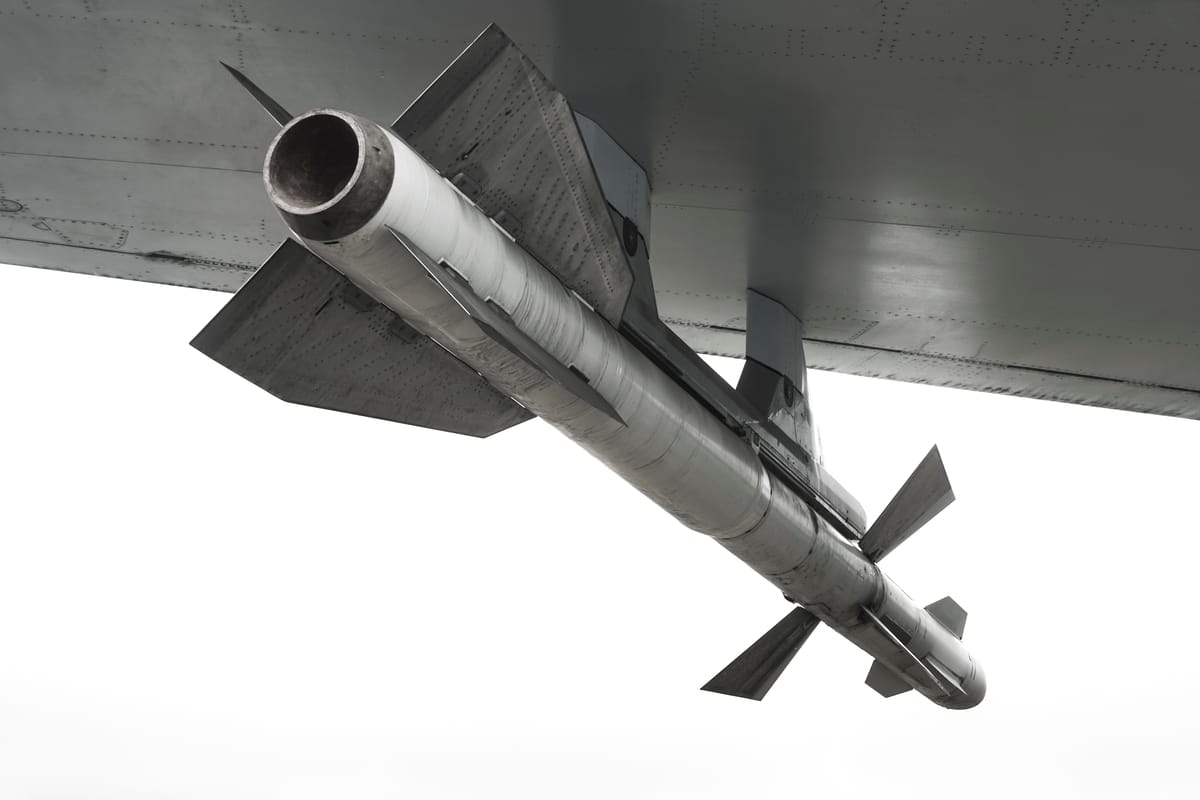
A primary point of anxiety involves the rapid reconstruction and mass production of Iran’s sophisticated ballistic missile program, which remains a direct threat to domestic civilian centers. Defense officials noted that the regime has historically prioritized its missile infrastructure above civilian economic relief, using underground facilities to manufacture advanced guidance systems and heavy long-range rockets. If the upcoming treaty fails to enforce a verifiable cessation of missile production, regional militaries will face a heavily upgraded threat environment within a matter of months, forcing a total recalculation of current air defense deployments.
Simultaneously, senior military commanders are expressing fierce institutional opposition to a highly controversial clause inserted into the draft agreement by radical negotiators in Tehran. The Iranian regime is demanding that the final peace treaty explicitly mandate a total ceasefire for Hezbollah, effectively forcing a premature conclusion to active border operations and preventing local forces from neutralizing remaining threats. Defense chiefs argue that accepting this restriction would constitute a catastrophic strategic failure, as it would strip forces of their operational autonomy while leaving hostile border infrastructure intact.
The security apparatus concludes that leaving the underground manufacturing frameworks intact while granting the regime massive economic relief will fundamentally transform the treaty into a strategic failure. Analysts warn that if the final agreement allows Tehran to retain its core infrastructure under the guise of an integrated civilian utility project, the entire regional campaign will be compromised. Without ironclad, continuous international verification protocols governing both financial distribution and industrial manufacturing, the removal of sanctions will simply pave the way for a significantly more destructive war.