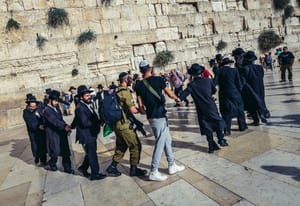
How war has impacted Israel's population? Will 2025 be the same?
Israel's Population reaches 10 Million before 2025 amid record emigration and increased deaths
•news-israel


Comprehensive coverage of Israel's military operations against Hamas and Hezbollah, including the Gaza conflict, hostage crisis, and regional tensions.

The state of Israel has found itself embroiled in an intense and complex conflict with the militant groups Hamas and Hezbollah. This ongoing war has seen Israel engaged in military operations, hostage negotiations, and efforts to counter regional threats posed by these terrorist organizations and their allies.
Recent developments have brought the conflict into sharp focus, with the October 7th Hamas attack and subsequent hostage crisis dominating headlines. Israel has responded with targeted strikes, ground operations, and diplomatic efforts to secure the release of captives held by Hamas in Gaza. The situation remains volatile, with both sides engaged in a tense standoff as negotiations continue.
The roots of this conflict can be traced back decades, with Hamas and Hezbollah emerging as formidable adversaries to Israel's security. Hamas, a Palestinian Sunni-Islamic fundamentalist organization, has controlled the Gaza Strip since 2007 and has been engaged in an armed struggle against Israel, launching rocket attacks and carrying out terrorist activities. Hezbollah, a Shia Islamist political party and militant group based in Lebanon, has also been a major threat, with its close ties to Iran and a history of conflict with Israel.
Israel's military operations against these groups have been driven by the need to protect its citizens and maintain its sovereignty. The Israeli Defense Forces (IDF) have conducted numerous operations in Gaza and Lebanon, aimed at disrupting terrorist activities, destroying infrastructure, and targeting key leaders and operatives.
The hostage crisis has added a particularly poignant and emotional dimension to the conflict. Families of captives held by Hamas have been engaged in a heart-wrenching struggle, pleading for the safe return of their loved ones and urging the Israeli government and international community to prioritize their release.
Beyond the immediate conflict with Hamas and Hezbollah, Israel has also had to contend with regional tensions and the involvement of other actors, such as Iran and its proxies. The threat of missile attacks from groups like the Houthis in Yemen has further complicated the security landscape, prompting Israel to enhance its defensive capabilities and early warning systems.
As the conflict continues to unfold, the international community has been engaged in diplomatic efforts to broker a lasting ceasefire and facilitate the release of hostages. However, the deep-rooted ideological and political differences between the parties involved have made progress difficult, with each side maintaining firm positions and demands.
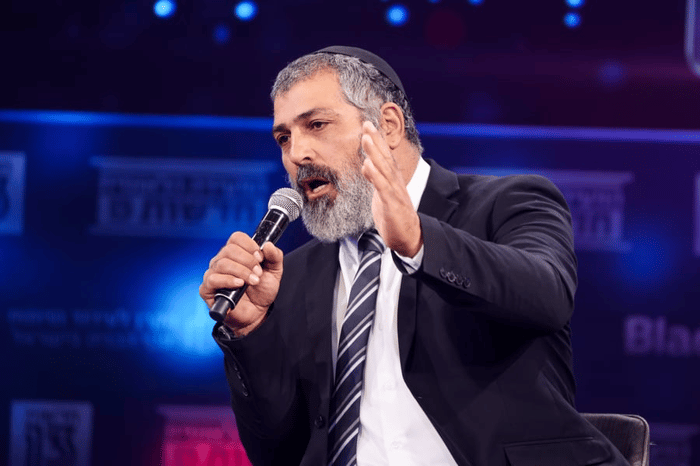
The Arab Affairs specialist notes that the hostage deal is "not good for us"; He insists that "if you want to move forward, this is the time, and certainly along with military pressure."
How war has impacted Israel's population? Will 2025 be the same?
Traveling Abroad as an IDF Soldier: What You Need to Know to Stay Safe

Gal Gadot on Hostages: 'Every Day Without an Agreement Puts Them at Risk'

Negotiations on Track: Hamas Agrees to Hostage Exchange
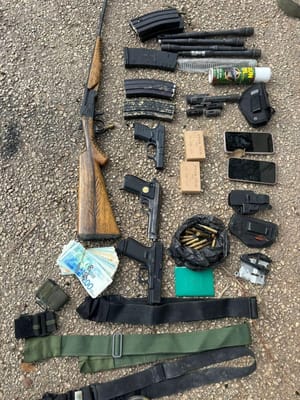
20 Pistols Seized in Vehicle During Security Operation in Samaria
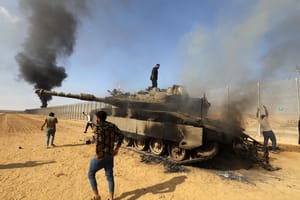
How Israel Missed Key Telegram Warnings About the October 7 Hamas Assault
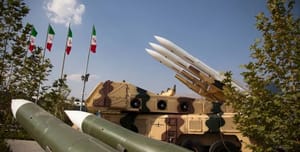
IDF on High Alert Amid Growing Concerns Over Iran's Desperation

IDF SOLDIER 'S MAMA

Mazal Tov!
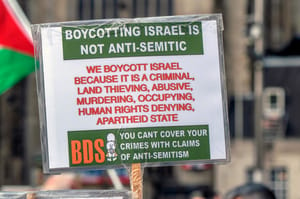
Money Talks

Hezbollah Threatens Action: Naim Qassem Warns of Impending Ceasefire Collapse

Briliant and hilarious
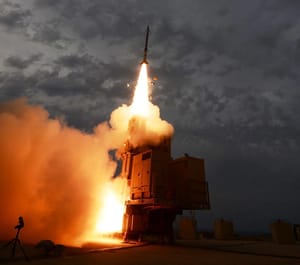
A complicated enemy
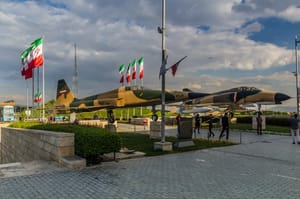
They have seen the light

It's A Pretty Impressive One
Hezbollah Launches Reconstruction Campaign with Iranian Support
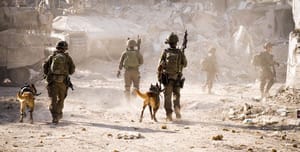
Israel at war with no end in site
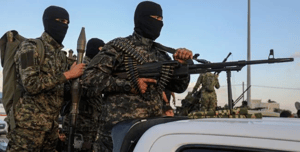
Hostage families taking matters into their own hands

Preparing for the day after Netanyahu? Likud is conducting primary polls.