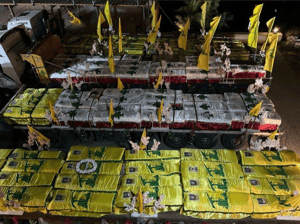
Another one bites the dust
Hezbollah suffers major setback as senior weapons dealer eliminated by IDF
•news-israel•10


Comprehensive coverage of the complex and evolving situation in Syria, including the latest developments, key players, regional implications, and impact on global stability.
The conflict in Syria has been one of the most devastating and complex crises of the 21st century. What began as peaceful protests against the authoritarian regime of Bashar al-Assad in 2011 quickly escalated into a full-blown civil war, drawing in regional and global powers with competing interests and alliances.
Recent developments suggest a potential shift in the dynamics of the conflict. According to reports, the Syrian rebel leader Abu Mohammed al-Julani has declared himself the interim president of Syria, dissolving Assad's regime. This move has been met with mixed reactions, with some countries recognizing al-Julani's leadership while others remain skeptical.
The conflict has had far-reaching consequences, not only for the Syrian people but also for the entire region. The rise of extremist groups like ISIS and the involvement of foreign powers like Russia, Iran, Turkey, and the United States have further complicated the situation. The humanitarian crisis, with millions of displaced Syrians seeking refuge in neighboring countries and beyond, has also been a major concern.
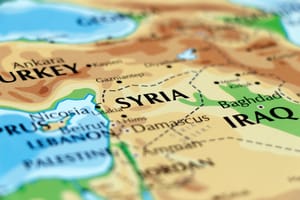
Historically, Syria has been a strategic location, serving as a crossroads between the Mediterranean and the Middle East. Its geopolitical significance has made it a battleground for various regional and global powers vying for influence. The conflict has also exposed the deep sectarian divides within the country and the region, with different groups aligning themselves with various factions based on their religious and ethnic affiliations.
As the situation continues to evolve, the international community faces difficult decisions regarding its involvement and the potential for a lasting resolution. The fate of Syria's diverse population, including minority groups like the Druze and Kurds, remains uncertain, as does the potential for the country's reconstruction and reconciliation.
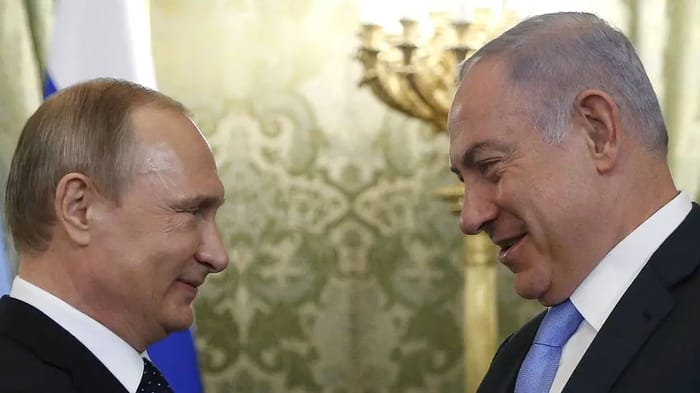
Amid the crisis between Trump and Zelensky, Netanyahu sent his military secretary, Roman Gofman, for a series of meetings in the Russian capital. Israel aims to keep Syria "weak" and prefers Russia over Turkey as the dominant force in the region. Simultaneously, Jerusalem requested Russian pressure on Hamas.
Another one bites the dust
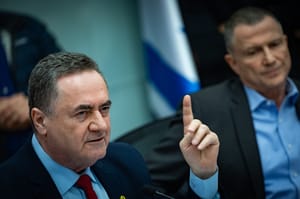
But How Far?
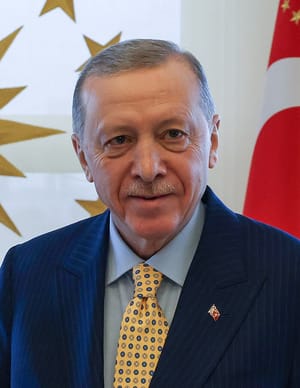
The Evil Shall Open From The North

The War Between The Wars Continues
A New Era Or More Of The Same?

Just try it Julani

Cleaning Up Or Heating Up?
Ball In Netanyahu's Court
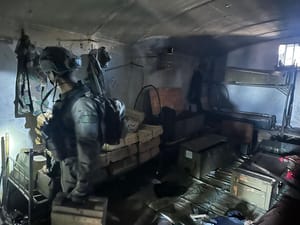
Our brave heroes
Against Israeli PM’s Buffer Zone Push

A Second Southern Lebanon?

After 30 years of silence, ancient Synagogue brought to life

Equestrian Diplomacy?

Taking Out The Trash
51 years old
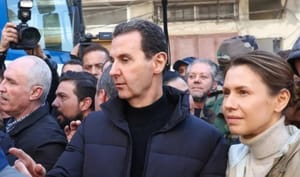
Her 1st public statement since fleeing Syria

A new Middle East
Bye Bye IRGC
Details Inside, As They Say