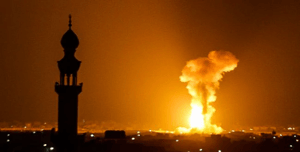
Relentless strikes
IDF pounds Syria: 61 attacks in 5 Hours
•news-israel


Comprehensive coverage of the complex and evolving situation in Syria, including the latest developments, key players, regional implications, and impact on global stability.
The conflict in Syria has been one of the most devastating and complex crises of the 21st century. What began as peaceful protests against the authoritarian regime of Bashar al-Assad in 2011 quickly escalated into a full-blown civil war, drawing in regional and global powers with competing interests and alliances.
Recent developments suggest a potential shift in the dynamics of the conflict. According to reports, the Syrian rebel leader Abu Mohammed al-Julani has declared himself the interim president of Syria, dissolving Assad's regime. This move has been met with mixed reactions, with some countries recognizing al-Julani's leadership while others remain skeptical.
The conflict has had far-reaching consequences, not only for the Syrian people but also for the entire region. The rise of extremist groups like ISIS and the involvement of foreign powers like Russia, Iran, Turkey, and the United States have further complicated the situation. The humanitarian crisis, with millions of displaced Syrians seeking refuge in neighboring countries and beyond, has also been a major concern.
Historically, Syria has been a strategic location, serving as a crossroads between the Mediterranean and the Middle East. Its geopolitical significance has made it a battleground for various regional and global powers vying for influence. The conflict has also exposed the deep sectarian divides within the country and the region, with different groups aligning themselves with various factions based on their religious and ethnic affiliations.
As the situation continues to evolve, the international community faces difficult decisions regarding its involvement and the potential for a lasting resolution. The fate of Syria's diverse population, including minority groups like the Druze and Kurds, remains uncertain, as does the potential for the country's reconstruction and reconciliation.
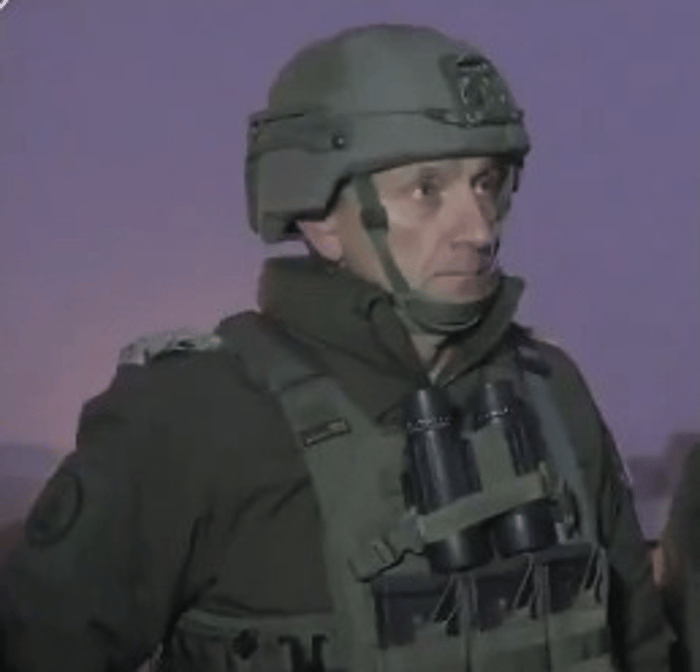
With the situation in Syria remaining fluid and dangerous, IDF Chief of Staff Herzi Halevi issued a statement clarifying IDF actions in the country.
Relentless strikes
Better Safe Than Sorry
Here's Hoping It Stays Lost
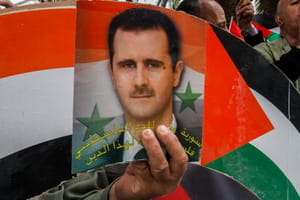
It sure ain't pretty

What will happen to ancient Jewish shuls after Syria's civil war?
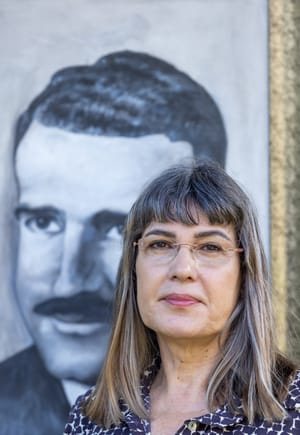
Chaos in Syria

Not so friendly after all
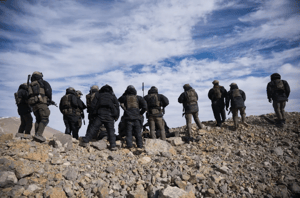
IDF to stay on Hermon summit throughout winter
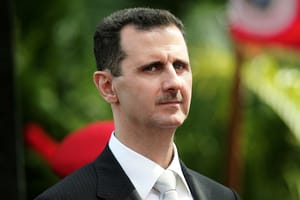
Assad's escape from Syria uncovered
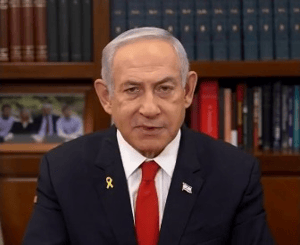
Sounds About Right

Israel Steps Up Security After Rising Threat of Syrian Rebel Attacks
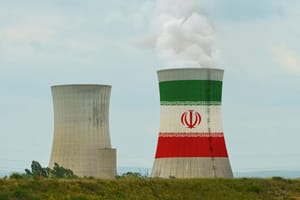
IDF Gears Up for Iranian Nuclear Strike as U.S. Support Is Sought

Like Shooting Fish In a Barrel

Nothing in the Middle East is ever simple
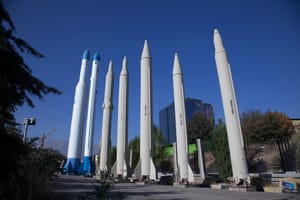
Obliterating Iran's best weapons
Justin Timmerman has been found
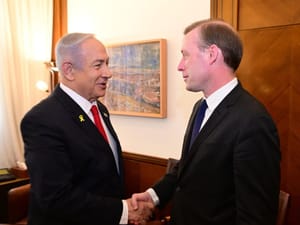
Wonder What Else They Talked About

Giant Weapons Smuggling Tunnel

Too ridiculous to even comment on