
Get our mobile app
Download on the App StoreGet it on Google Play

Defense Technology

US Pursues 500kW Lasers as Israel Leads

American defense giant Lockheed Martin is testing unprecedented 500-kilowatt laser systems, but Israel has already delivered operational directed-energy weapons to its military for active defense

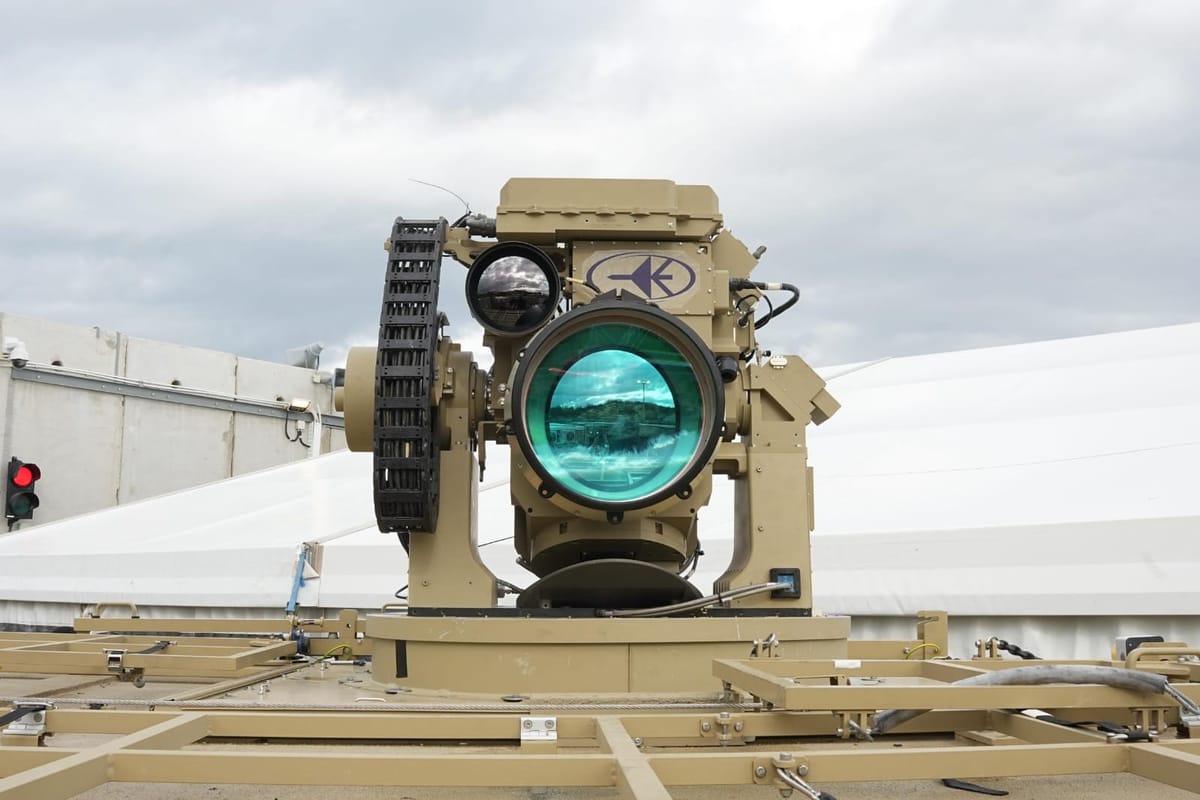
The Iron Beam laser system manufactured by Rafael
Israeli laser weapon
Israeli laser weapon (Rafael, Elbit, Defense Ministry)

While Israel continues to lead the world in operational deployment of laser-based air defense systems, the United States is accelerating development of a new generation of directed-energy weapons at unprecedented power levels. Lockheed Martin CEO Jim Taiclet recently revealed that the company is already conducting live-fire tests of 300-kilowatt laser systems against actual drones and cruise missiles, and is rapidly advancing toward a 500-kilowatt capability.

The disclosure came as Lockheed Martin announced a major new contract from the US Department of Defense for the JLWS project, development of a prototype mobile, modular laser system at 500 kilowatts, housed inside a standard shipping container. This leap reflects the accelerating directed-energy arms race, driven by lessons from the Russia-Ukraine war and conflicts across the Middle East.

Lockheed Martin has demonstrated interception capability with 300-kilowatt systems as part of the US Army's IFPC-HEL program. The new 500-kilowatt target is designed to engage harder and faster targets: cruise missiles and drone swarms at significantly longer ranges. The US Navy has already deployed prototypes like the HELIOS system, operating at approximately 60 kilowatts, on destroyers in an experimental-operational capacity, primarily in the Red Sea and Persian Gulf regions.

The 300-kilowatt systems are in advanced field testing stages. The 500-kilowatt systems remain in early development, compressing such power into a mobile container creates substantial engineering challenges in power supply and cooling, meaning full operational prototype development is expected to take several more years.

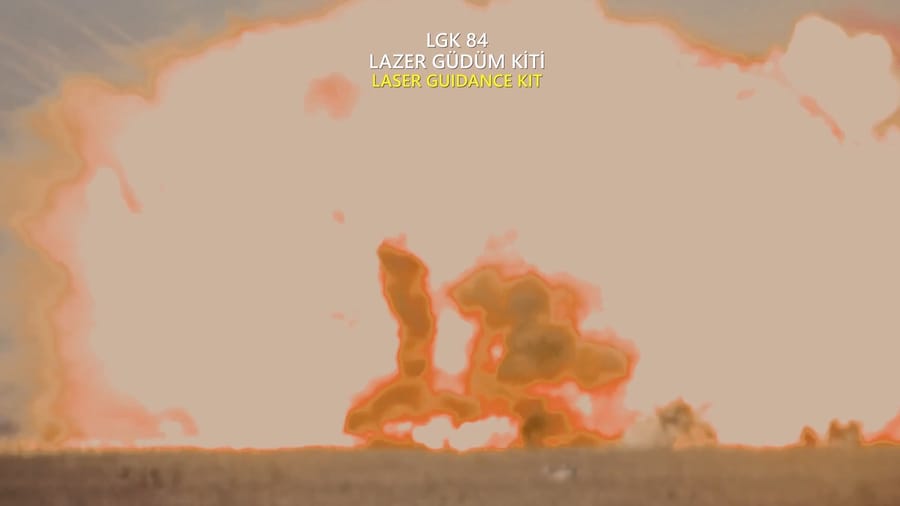
Photo credit: Turkish Defense Industry and Security Authorities

The bottom line: Israel currently leads in operational readiness and field deployment, the first operational laser in its category has already been delivered to the Israel Defense Forces and is undergoing integration and absorption processes. The United States, by contrast, is leveraging its budgetary and industrial advantages to develop lasers three to five times more powerful, capable of engaging much harder and more distant targets.

The two nations are also collaborating closely: Rafael Advanced Defense Systems and Lockheed Martin have signed an agreement to develop a joint version of Iron Beam for the American market. The result is a complementary race, Israel brings rapid, cost-effective interception implementation, while the US pushes the technological envelope to its limits.

Ready for more?

Join our newsletter to receive updates on new articles and exclusive content.

We respect your privacy and will never share your information.

Enjoyed this article?

Yes (10)
No (0)
Follow Us:

Unmissable content


Loading comments...

Also of Interest