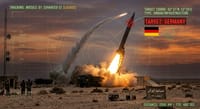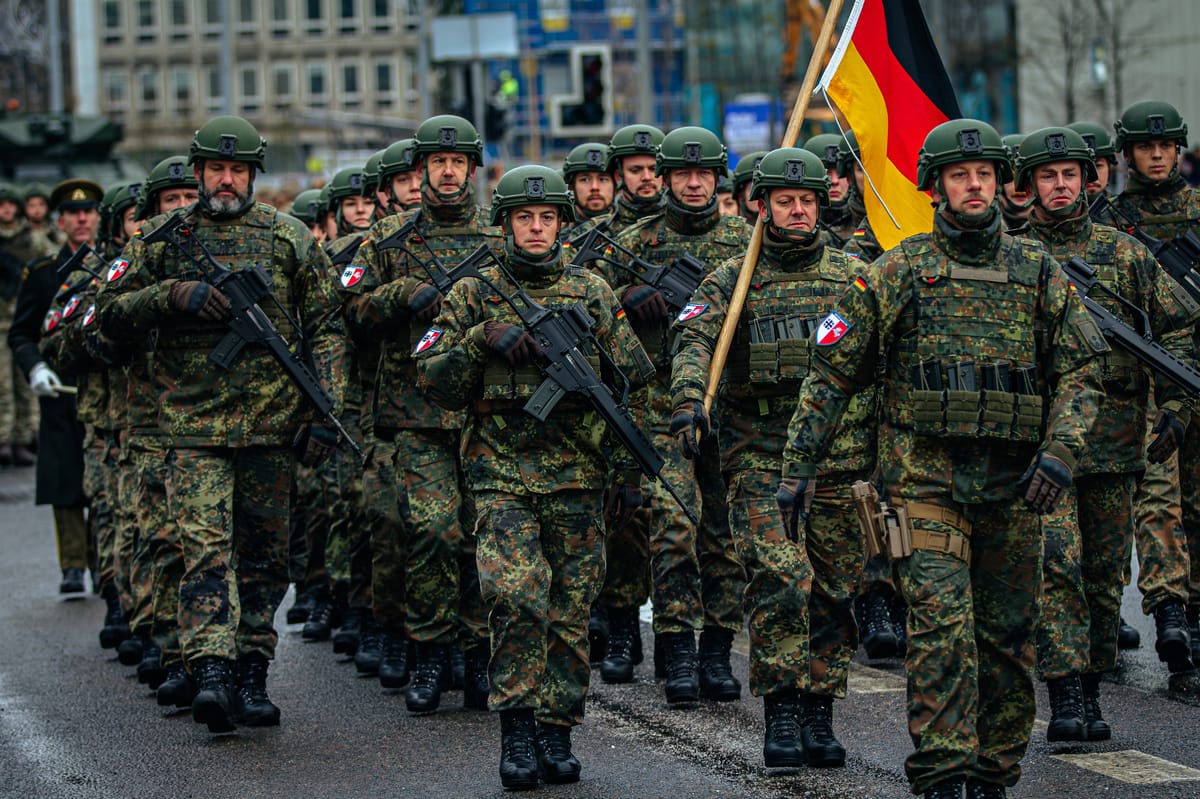
The German military is currently testing 30 different artificial intelligence tools designed to accelerate decision-making by battlefield commanders, according to a Reuters report.
The urgent need for such technology has become apparent through the war in Ukraine, where drones and satellites generate a constant flood of data streaming into command centers. While this information flow makes the battlefield more transparent than ever before, the sheer volume creates an overwhelming burden that prevents human operators from processing the data quickly enough to make real-time operational decisions.
Vice Admiral Thomas Daum, head of the German military's cyber command, expressed confidence in the timeline. "The investigation continues, and I am optimistic that we will have a prototype in the second quarter of 2027," he said. Following prototype testing, Daum noted, the military's goal is to achieve full operational integration of the systems by 2028.
Most of the tools under evaluation are being developed by German companies, alongside a few European suppliers such as France's Thales Vision. However, Daum ruled out purchasing the Maven system from American company Palantir, despite its current use by the U.S. military and NATO headquarters for analyzing aerial imagery and video.
The German decision to reject American technology reflects growing European concerns about technological dependence on the United States and a desire to maintain full sovereignty over sensitive security information. This hesitation has intensified against the backdrop of political tensions and fears of shifts in American foreign policy, particularly following President Donald Trump's threats to withdraw from NATO.