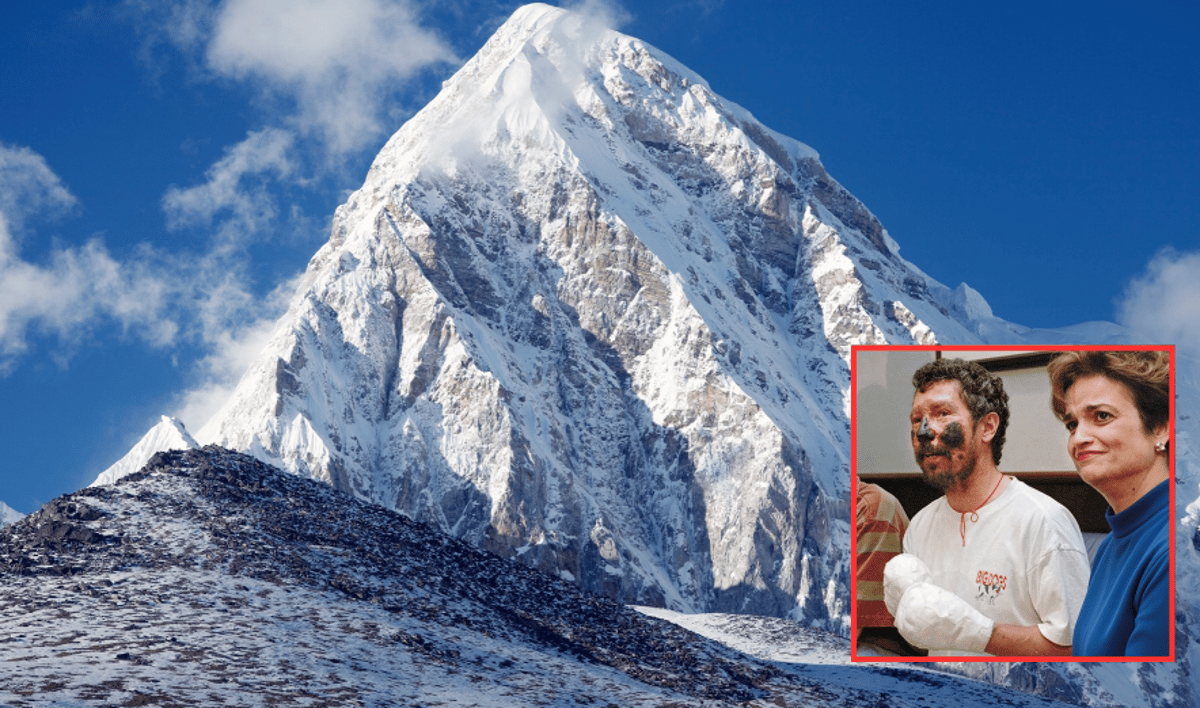
On the evening of 10 May 1996, a deadly blizzard struck the upper slopes of Mount Everest, the world's highest peak.
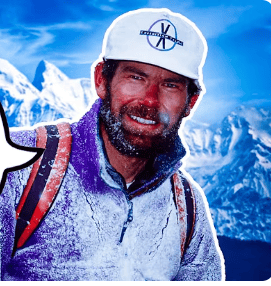
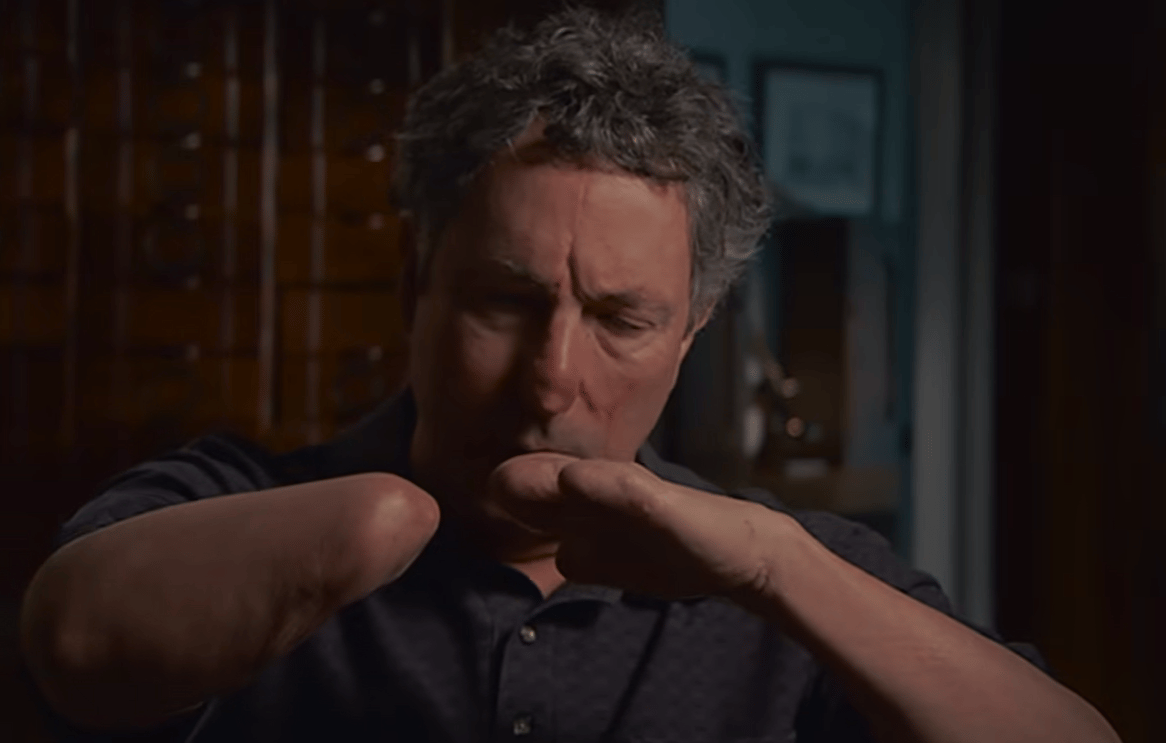
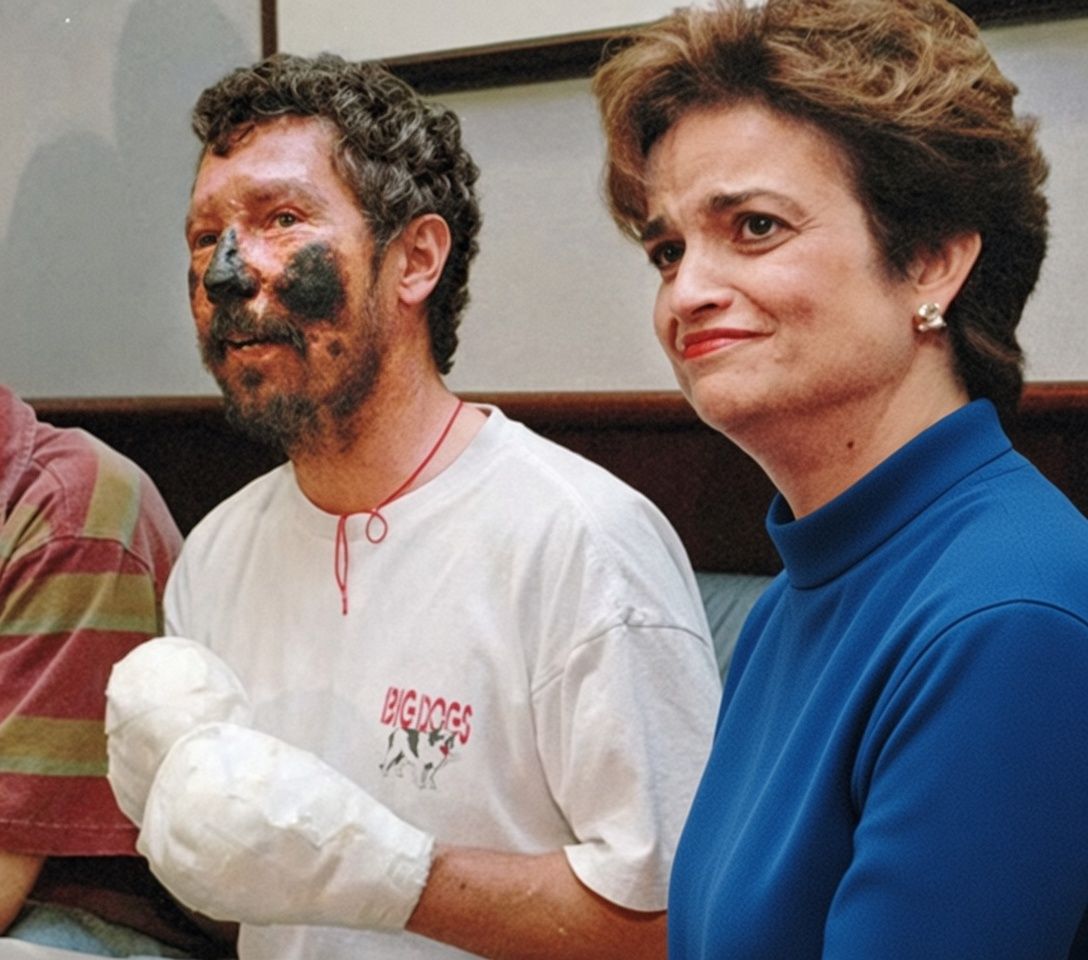
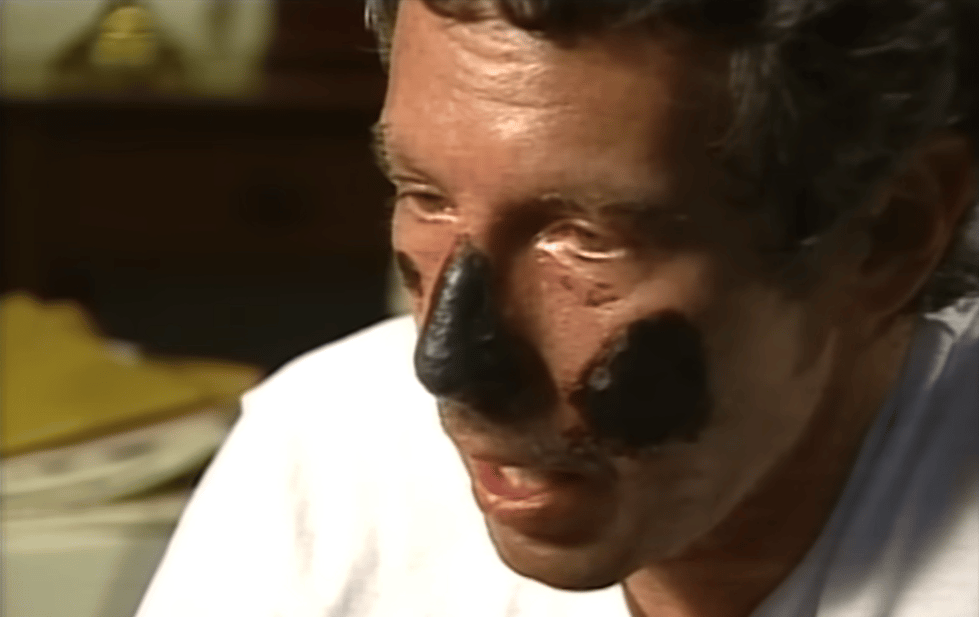
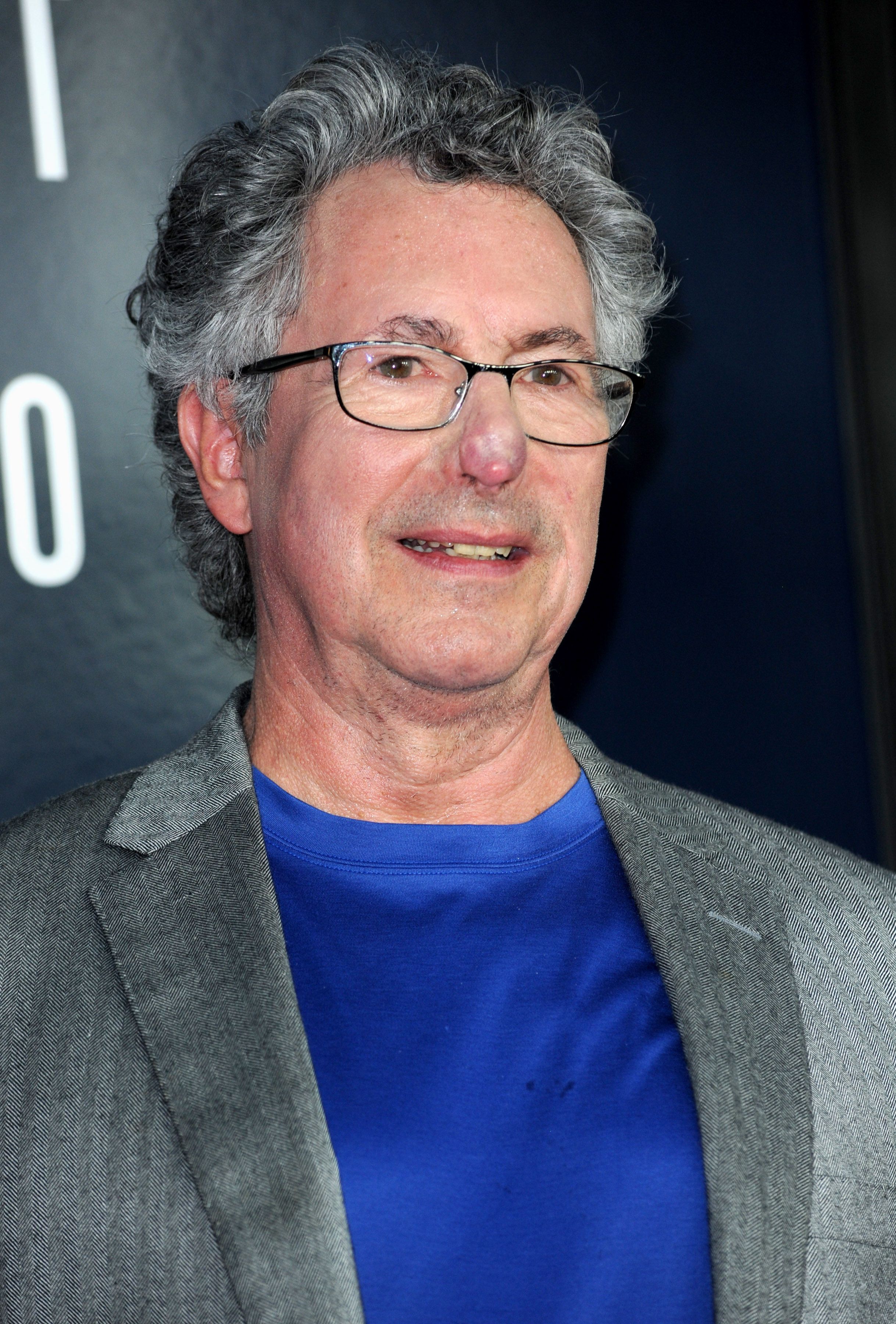
Beck Weathers, a pathologist from Dallas, recalls:
The storm trapped me and dozens of other climbers in the area known as the "Death Zone", at an altitude where the air is so thin that any mistake can cost you your life.
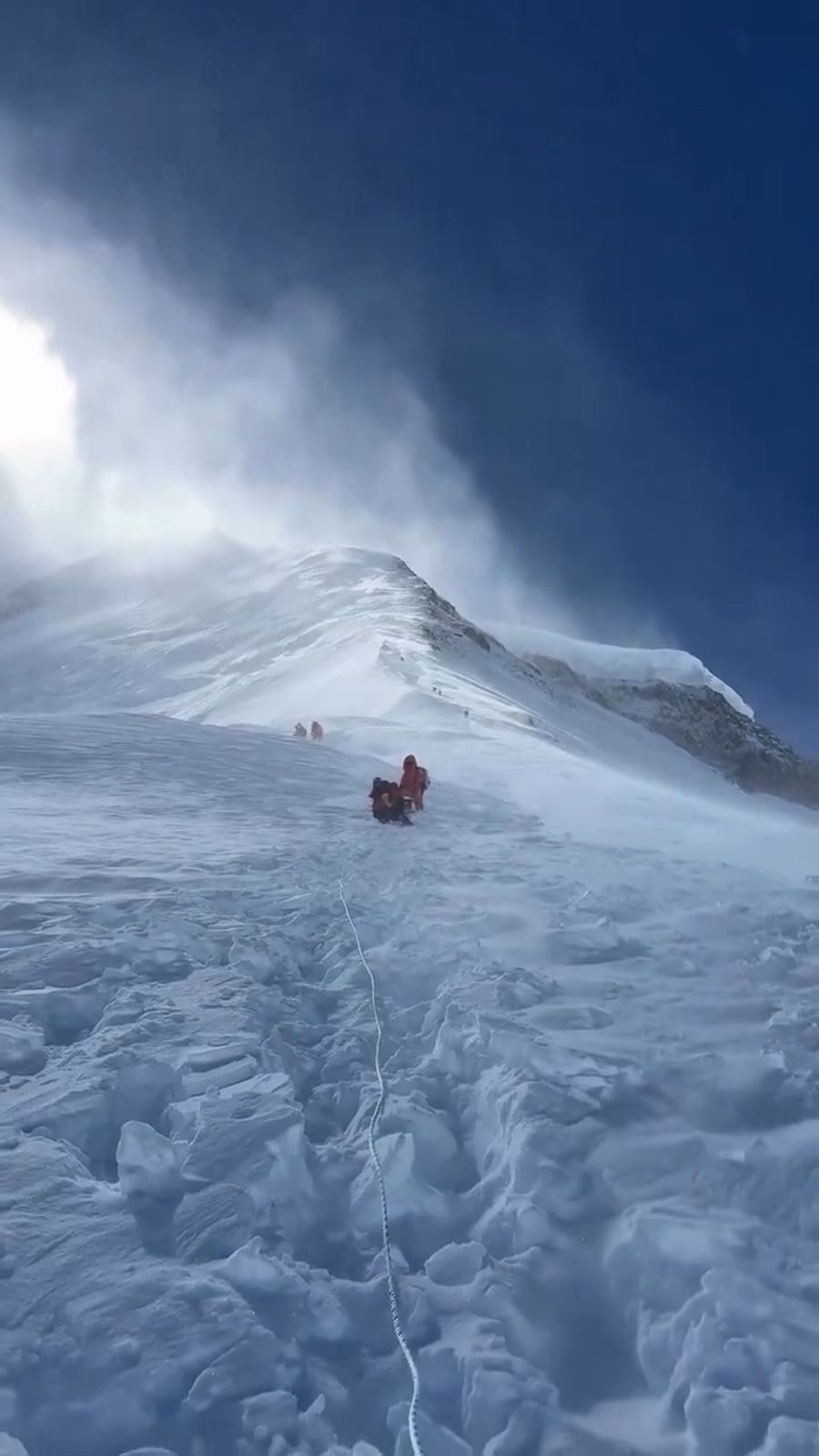
The storm began as a distant, muffled roar, but within minutes it turned into a thick white fog filled with hail of ice crystals. The winds grew stronger, visibility shrank until we couldn't see our own feet, and the temperature plunged to around minus 51 degrees Celsius. The wind reached speeds of over 130 kilometres per hour.
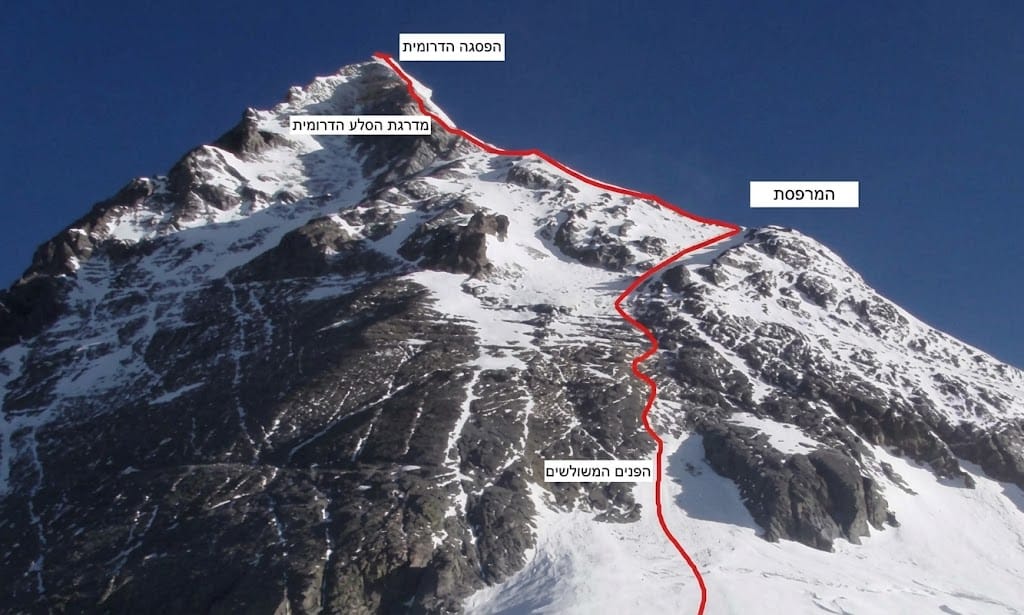
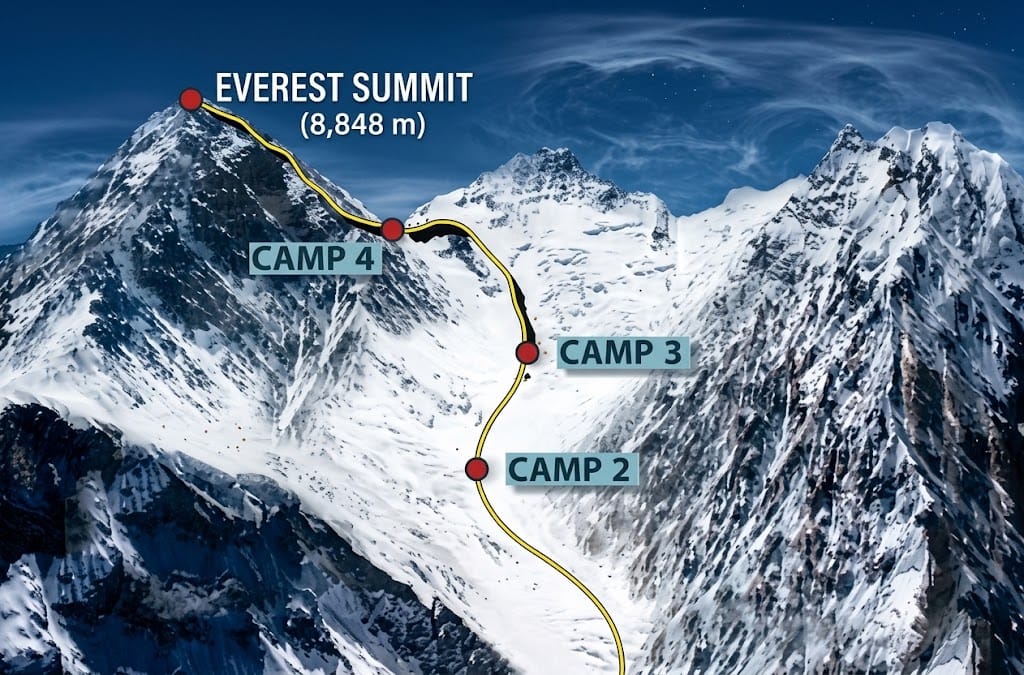
The storm caught us shortly after we descended a steep slope called "the Triangle", above Camp Four, a high camp located at Everest's South Col, about 900 metres below the summit.
Our group consisted of eight climbers and three guides. Five of us, myself included, never reached the summit at all. Of the six climbers who did make it to the top, four were killed later in the storm. Among them was the expedition leader, Rob Hall, a 35-year-old New Zealander renowned for his exceptional mountaineering skills, pleasant character and sense of humour.
Another victim was Yasuko Namba, a 47-year-old Japanese climber. Her last human contact was with me. For long hours we sat side by side, lost and freezing, inside the storm, only about 400 metres from the camp where we could have found shelter.
Four more climbers died that day. 10 May 1996 is etched in memory as one of the deadliest days in the history of Everest climbing.
But the disaster that unfolded on the mountain didn't begin for me that evening. In many ways, it was the result of an obsession that had taken over my life for years.