Fascinating
The Vanishing Tetrapylon: Journey to Rabbi Akiva's Lost Grave
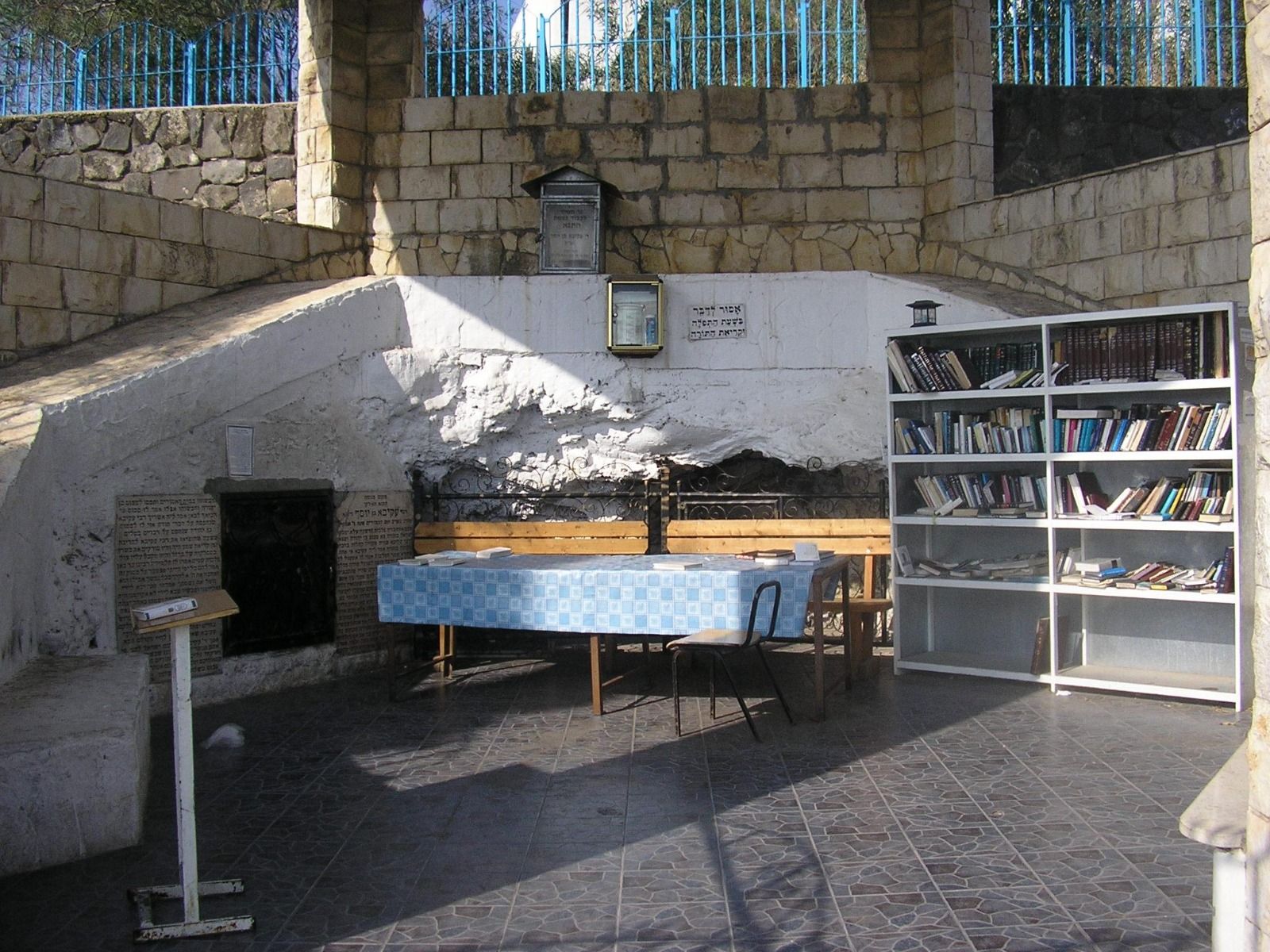
The blue sign in Upper Tiberias declares: 'Tomb of Rabbi Akiva'. Thousands of pilgrims come here every year. But behind this certainty hides a complex historical mystery | Research

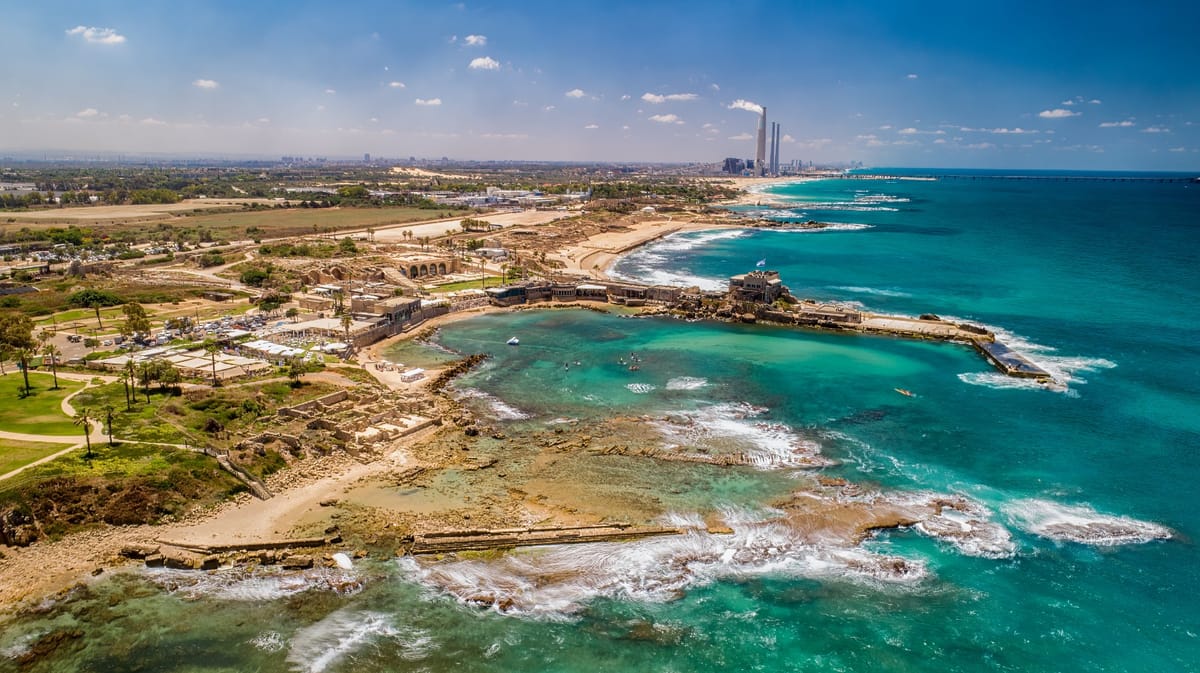
Every time I asked an average Israeli, without a distinct religious or traditional background, who are the ten most prominent or influential sages of Israel - Rabbi Akiva always made the list. This tanna, whose full name is Akiva ben Yosef, was executed by the Romans in the 130s CE, around the time of the Bar Kokhba revolt, and became a symbol of spiritual resistance against oppression. A source from the third century notes Caesarea as the place of his death, and later literary sources date his death to around the month of Elul and Yom Kippur.
But when trying to track his body beyond the moment of the cruel execution, the sources become foggy and tend to drift into a literary style.
The Obscure Legend
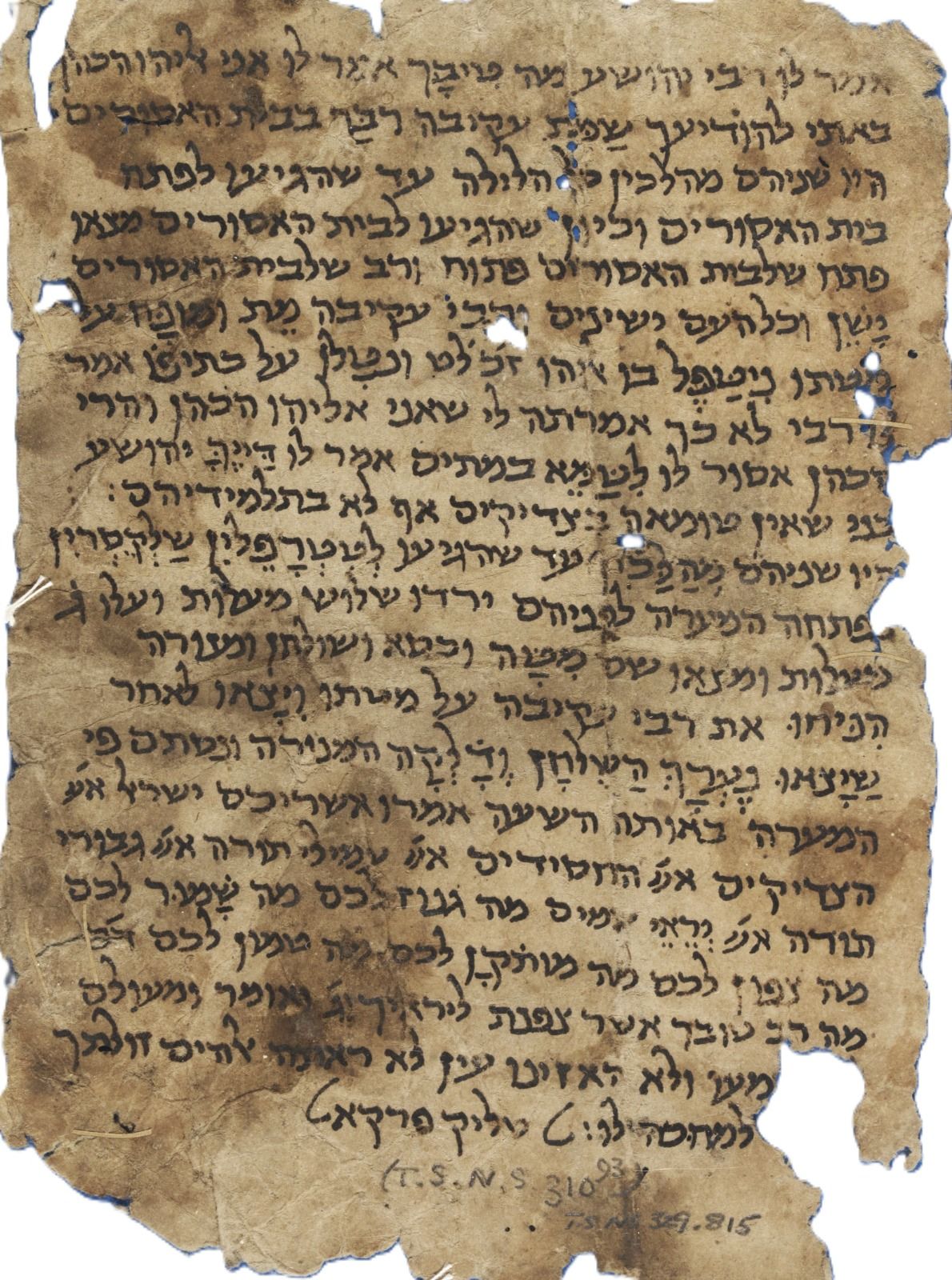
The main tradition about his burial place is based on a midrash with a dramatic and supernatural character that makes it difficult to distill the historical core within it. Research I conducted reveals that its earliest source is found in "Sefer Ye'ashiyahu" (also called "Perek Rabbi Ye'ashiyahu"), a rare Eretz-Israel midrash dated to the early Muslim period. This story later served as a source for including the tale in later aggadic midrashim, including "Midrash Mishlei", "Midrash Asarah Harugei Malkhut" and others.
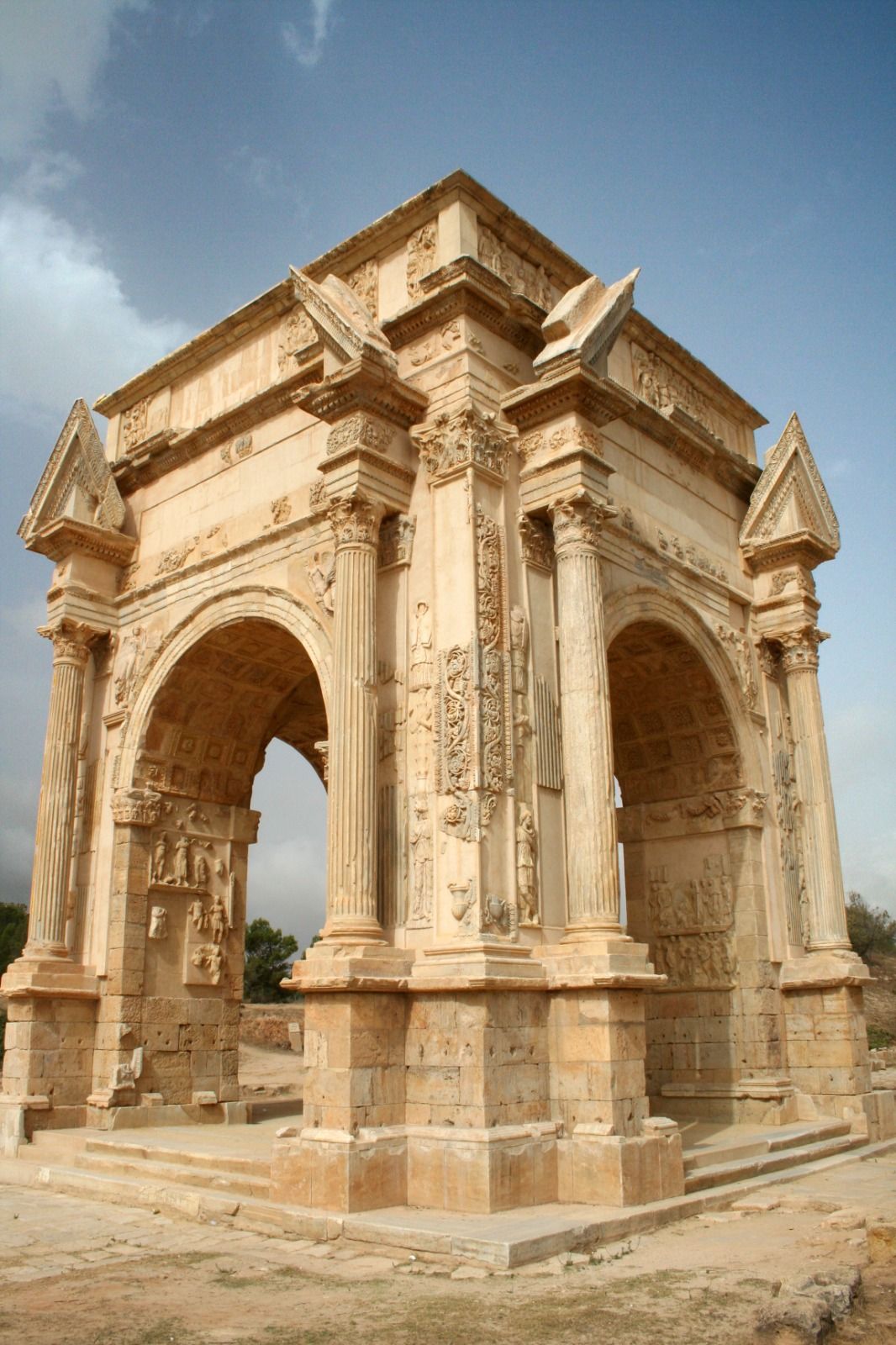
The story describes how Rabbi Yehoshua HaGarsi, Rabbi Akiva's loyal disciple and attendant, goes out at night together with Elijah the Prophet to steal his body from the prison house and bury it honorably in a cave near the Tetrapylon of Caesarea - a gate with four entrances in the center of the ancient city.
If you wish, the textual evidence supports to some extent the dramatic legend: A Jewish source from the third century notes that the eastern cemetery of Caesarea was indeed located near the Roman Tetrapylon.
However, when comparing the story to another midrash appearing in the Talmud, the picture is more cruel: "He saw that they were weighing his flesh in the market (butcher shop)" - a hint that Rabbi Akiva did not receive an honorable burial at all.
The process of transmitting the traditions also created textual distortions that led modern scholars to a dead end. The term "Tetrapylon" was corrupted in manuscripts to "Notropolin", "Papalion", "Afrion", "Antipras" and other forms. These erroneous identifications gave rise to wild theories about the tomb's location in Antipatris or at the Carmel promontory, while the source clearly points to Caesarea.
The Christian Martyr
It turns out that the midrashic story serves ideological purposes no less than preserving historical memory. Prof. Newman pointed out fascinating similarities between this story and a Christian tradition about the burial of the saint Anastasius the Persian.
Magundat, a Persian soldier who converted to Christianity and joined a monastery near Jerusalem, arrived in Caesarea in 627. A confrontation between him and Persian soldiers led to his arrest in the local fortress, from where he was put on trial and sent back to Persia, where he was executed on January 22, 628.
Magundat's body, now called "Anastasius the Saint", soon became an object of worship. When the Byzantines returned to rule the area, his body was returned to Caesarea - near the Tetrapylon. During his stay in the city, a church was built in his memory and the site quickly became a center of intense religious worship - miraculous powers were attributed to the saint's body. About three years later, in 631, the relics were transferred to a monastery near Jerusalem, but some remained in Caesarea.
Against this background, Prof. Newman suggests reading the Jewish midrash as a "counter-response" to the Christian claim to the site's sanctity - a kind of symbolic struggle over spiritual ownership of the Eretz-Israel landscape.
The Development of the Cult
The early midrash about the mysterious burial was edited hundreds of years after the events attributed to it. This time span allows legends to develop, distort, and assimilate literary elements that blur the boundary between historical memory and narrative creation.
Evidence from the 12th century notes local traditions about the burial of the Ten Martyrs of the Kingdom - the group of sages killed by the Romans, headed by Rabbi Akiva - in Rome and Caesarea, respectively. Alongside this appears another testimony from the same period placing Rabbi Akiva in Babylonia (though it is unclear if it refers to the Akiva we know). Only at the turn of the 12th and 13th centuries do the first mentions of Rabbi Akiva's tomb in Tiberias appear, and in the 14th century one testimony is heard of his burial in Caesarea.
In Tiberias, the cult developed rapidly: At some stage, the tombs of his wife Rachel, his sons, and even his 24,000 disciples joined Rabbi Akiva's tomb.
The development of the sacred Galilean space in the Middle Ages is a fascinating evolutionary process: Pilgrims and guides documented journeys to sacred sites based on locals, while some even initiated active searches for new sacred sites themselves. In the test of time, out of hundreds of tombs of tzaddikim attributed to figures from ancient periods, it is doubtful if ten remain that can be linked to any historical plausibility.

The Vanishing Tetrapylon
Despite ongoing research, the location of Caesarea's historical Tetrapylon - mentioned in Jewish, Latin, and early Christian sources - still remains an archaeological mystery.
Rabbi Akiva was executed in Caesarea, but what happened to his body remains purely conjecture. The open questions are many: Was he left without burial at all? Does the midrash preserve historical memory or is it a literary creation partly made as a counter to the Christian saint?
If the Tetrapylon is discovered one day, pilgrims will probably not seek Rabbi Akiva there. They have been satisfied with the Tiberias alternative for hundreds of years, even if it contradicts the early sources. The blue sign in Upper Tiberias will continue to declare its certainty, and the historical mystery can continue undisturbed.
My thanks to Professor Hillel Newman, for his insights on dating the midrash and the connection to the martyr from Caesarea, Saint Anastasius